

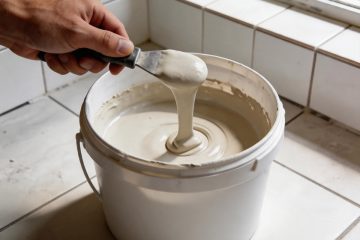
How to grout tile floor
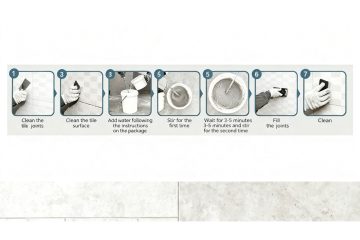
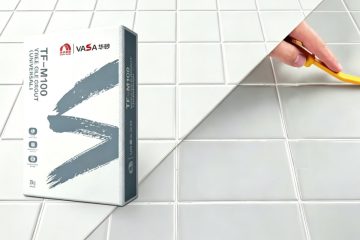
Grouting a tile floor is a key step that affects both the appearance and durability of your flooring. When done properly, grout locks tiles in place, blocks moisture, and gives the surface a clean, finished Read more
OYH, incorporated in 1995, has been granted honors like the 17th “National Quality
Award”, “National Quality Benchmark”, and Second Prize of “National Science and Technology Progress Award”, and included in the Fortune China 500.

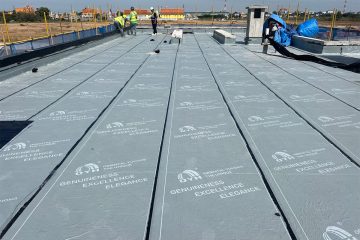
OYH has developed a building material service system consisting of diversified business segments,such as building waterproofing, civil construction materials, architectural coatings, specialized mortar, thermal insulation and energy saving, building renovation, non-wovens,and specialized films.

National planning: More than 68 production, R&D and logistics bases, efficiently realizing “a 24-hour delivery within a coverage of 300km”. The products of company are exported to more than 150 countries and regions such as Germany, Brazil, Australia, America, Canada, Russia, Japan, Singapore, South Korea, Central Africa and South Africa.
Need more details? Please check our full documentation for detailed information on how to use OYH.
Grouting a tile floor is a key step that affects both the appearance and durability of your flooring. When done properly, grout locks tiles in place, blocks moisture, and gives the surface a clean, finished Read more
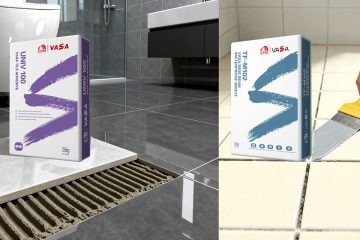
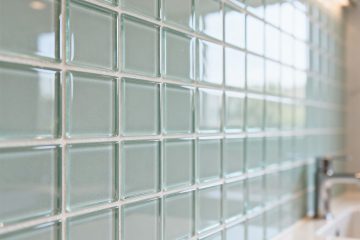
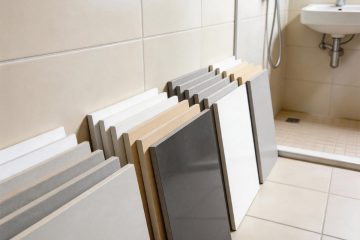
Grouting shower tiles is essential for maintaining a clean, waterproof, and durable bathroom. Proper grout application prevents water from getting behind tiles and causing mold or damage. What Is the Best Grout for Shower Tiles? Read more
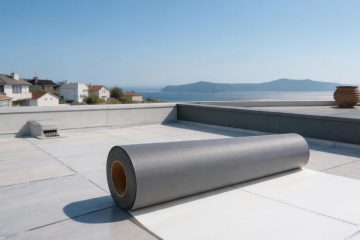
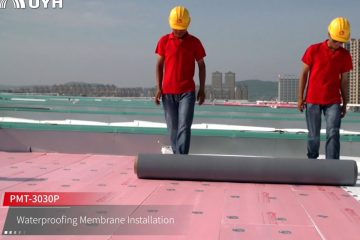
Waterproofing membranes are protective layers designed to prevent water from entering buildings and structural surfaces. They are widely used in roofs, basements, bathrooms, and foundations to reduce water damage risks. Water intrusion can cause serious Read more
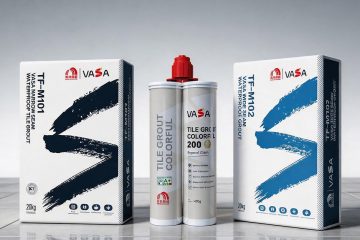
Tile grout and tile adhesive are both essential materials in tiling projects, but they serve completely different functions. Understanding their differences is key to achieving proper installation, long-term durability, and a professional finish. What Is Read more
A waterproofing membrane is a material layer designed to control how water interacts with a structure. Instead of simply “blocking water”, it works by creating a continuous protective system that prevents moisture from penetrating into Read more
What Is a Waterproofing Membrane and Why Is It Used? A waterproofing membrane is a protective layer applied to surfaces to prevent water from penetrating into a structure. It is commonly used in roofs, basements, Read more
A waterproofing membrane is a protective layer applied to surfaces to prevent water penetration into a structure. It is widely used in roofs, basements, foundations, and wet areas to protect buildings from moisture damage and Read more
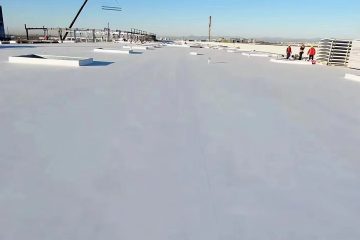
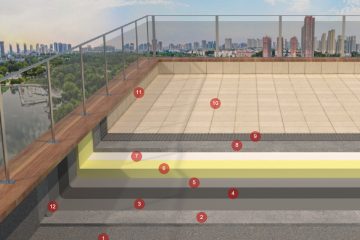
Ceramic tile terraces are an essential part of modern buildings, providing functional outdoor spaces for residential, commercial, and public use. While tiled terraces provide an attractive and durable surface finish, waterproofing beneath the tiles is Read more
Tile grout plays an important role in keeping tiles stable and sealed, but it is also one of the most vulnerable parts of a tiled surface. Over time, several common problems can appear. Discoloration is Read more
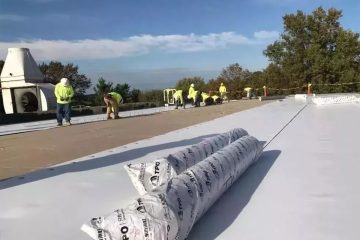
Tile floor grout doesn’t stay clean for long. With daily foot traffic, spills, and constant exposure to moisture, it gradually darkens and starts to look worn—even if the tiles themselves still look fine. That’s mainly Read more
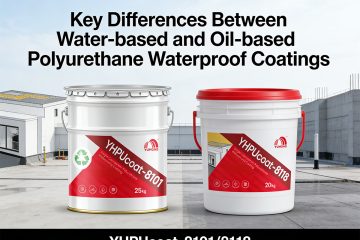
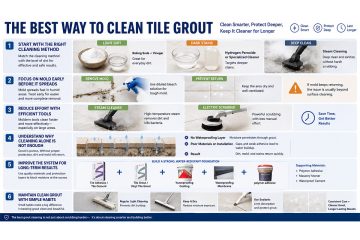
The best way to clean tile grout is to match the cleaning method with the level of dirt—while addressing the underlying cause of staining. Many people focus only on scrubbing, but long-term results depend just Read more

Shower tile grout easily collects dirt, soap residue, and mold, making your bathroom look dull and unhygienic. The key is using the right method for the type of stain—and doing it efficiently. At OYHORDER, we Read more

Tile grout can quickly turn from clean to dirty due to daily use, spills, and moisture. Because grout is porous, it absorbs dirt, grease, and even mold, which makes tiles look older than they really Read more
The best tile grout depends on where it is used, how much moisture it will be exposed to, and how much wear the surface will experience. In general, epoxy grout is considered the most durable Read more
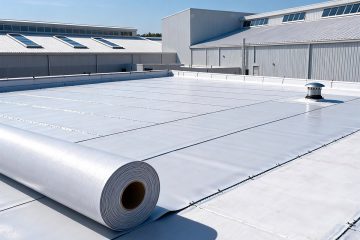
TPO membranes are widely used waterproofing materials for flat and low-slope roofs in commercial and industrial construction. They are made from thermoplastic polyolefin, a high-performance polymer that combines flexibility, weather resistance, and long service life. Read more
When selecting roofing materials, TPO membrane and EPDM are two of the most commonly used solutions for flat and low-slope roofs. Both are widely applied in commercial and industrial construction, but they differ significantly in Read more
TPO and PVC: Two Types of Roofing for Flat Roofs TPO and PVC are two widely used single-ply roofing membranes for flat roofs, especially in commercial and industrial projects. Although they serve similar purposes, their Read more
When you choose grout for your tiles, you will usually find two main types: sanded and unsanded grout. Both are used to fill the gaps between tiles, but they have different features and applications. Understanding Read more
Tile installation is not complete without proper grouting. While tiles provide the surface finish, grout plays a critical role in sealing joints, preventing water penetration, and ensuring durability. Improper grouting can lead to a host Read more
Introduction In construction and building protection, two terms are often confused: waterproofing and damp proofing. While they may sound similar, they serve very different purposes. Choosing the wrong solution can lead to: • water leakage Read more
Introduction In hot climates such as Southeast Asia, the Middle East, and Africa, buildings are constantly exposed to: • intense solar radiation • high temperatures • UV degradation Traditional roofing systems absorb heat, leading to: Read more
Introduction Waterproofing is a critical part of any construction project, especially in areas exposed to: • water penetration • high humidity • underground pressure Among the many waterproofing solutions available today, cementitious waterproofing materials remain Read more
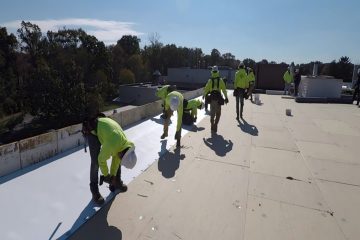
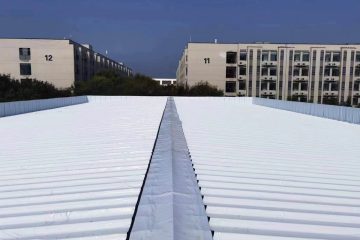
As buildings age, roofing systems inevitably face problems such as: • water leakage • UV degradation • bitumen bleeding • corrosion (for metal roofs) Traditionally, roof replacement was the only solution — but today, roof Read more
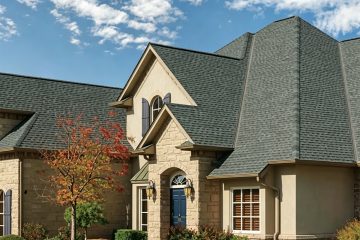
In modern architecture, the roof is no longer just a protective layer — it is often called the “fifth façade” of a building. For residential, villa, and light commercial projects, especially in regions with diverse Read more
Introduction In today’s construction industry, safety, efficiency, and durability are more important than ever. Traditional torch-applied waterproofing membranes, while effective, come with risks such as open flame hazards, complex installation, and longer construction time. This Read more
In modern roofing systems, especially in regions like Southeast Asia, where buildings are exposed to: • heavy rainfall • high humidity • strong winds • intense solar radiation a reliable waterproofing system is essential. While Read more
In construction and waterproofing projects, two types of materials are often confused: sealants and adhesives. While both are essential in building systems, they serve completely different purposes. Choosing the wrong one can lead to: • Read more
In the field of building waterproofing, pre-applied technology is an innovative method widely adopted in recent years. It is also a key solution to leakage problems in underground engineering. Although this professional term may sound Read more
Introduction: Protecting Critical Infrastructure in a Rapidly Expanding Market As demand for cloud computing, artificial intelligence (AI), and digital services continues to grow, data centers have become one of the fastest-expanding infrastructure sectors worldwide. In Read more
Introduction When selecting a roofing membrane for commercial or industrial buildings, two common options are TPO (Thermoplastic Polyolefin) and EPDM (Ethylene Propylene Diene Monomer). Both materials are widely used, but they differ significantly in installation, Read more
The Hidden Problem in Tropical Luxury Homes In Southeast Asia — especially in Malaysia and Singapore — high-end residential projects face a common but often underestimated challenge: 👉 Humidity + Heat + Constant Water Exposure Read more
What are the main differences between TPO and PVC membranes? TPO (Thermoplastic Polyolefin) is a polyolefin-based material without plasticizers, while PVC (Polyvinyl Chloride) contains plasticizers to enhance flexibility. This fundamental difference affects long-term performance, particularly Read more
Differences Between Water-Based and Oil-Based Polyurethane Oil-based polyurethane: A reactive coating that forms a dense, highly elastic film through chemical curing. It features high tensile strength and excellent water resistance, suitable for extreme temperature differences Read more