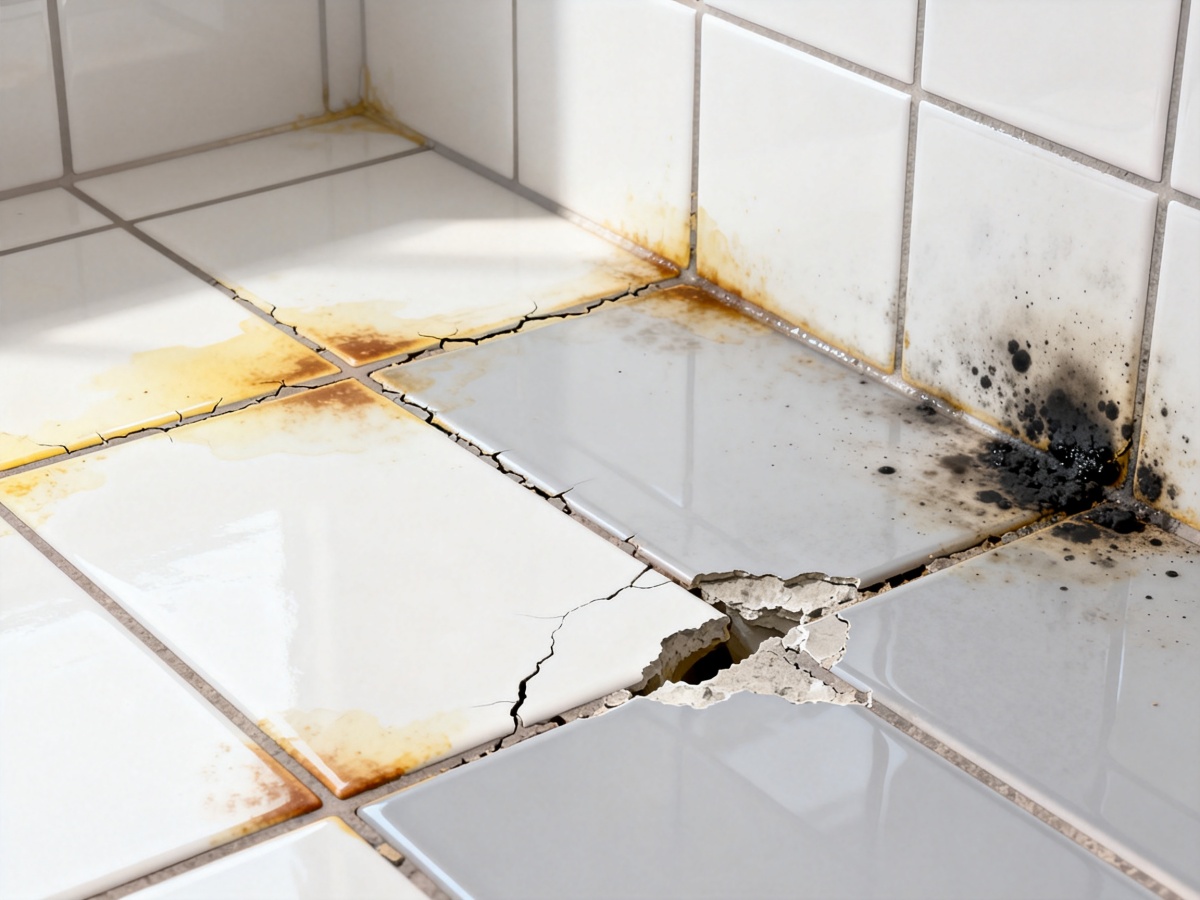
Tile grout plays an important role in keeping tiles stable and sealed, but it is also one of the most vulnerable parts of a tiled surface. Over time, several common problems can appear.
Discoloration is one of the most frequent issues, especially in kitchens and bathrooms. Dirt, soap residue, and moisture can build up in the grout lines, causing them to turn yellow, brown, or even black. Cracking is another typical problem, often caused by tile movement, structural settling, or improper installation. Once cracks form, water can seep in and make the situation worse.
Mold growth is also common in damp areas such as showers, where moisture remains for long periods. This usually appears as dark spots and can affect both appearance and hygiene. In some cases, grout may become loose or start to fall out, which reduces tile stability and may eventually lead to tile damage.
What Causes Tile Grout Discoloration and How Can You Prevent It?
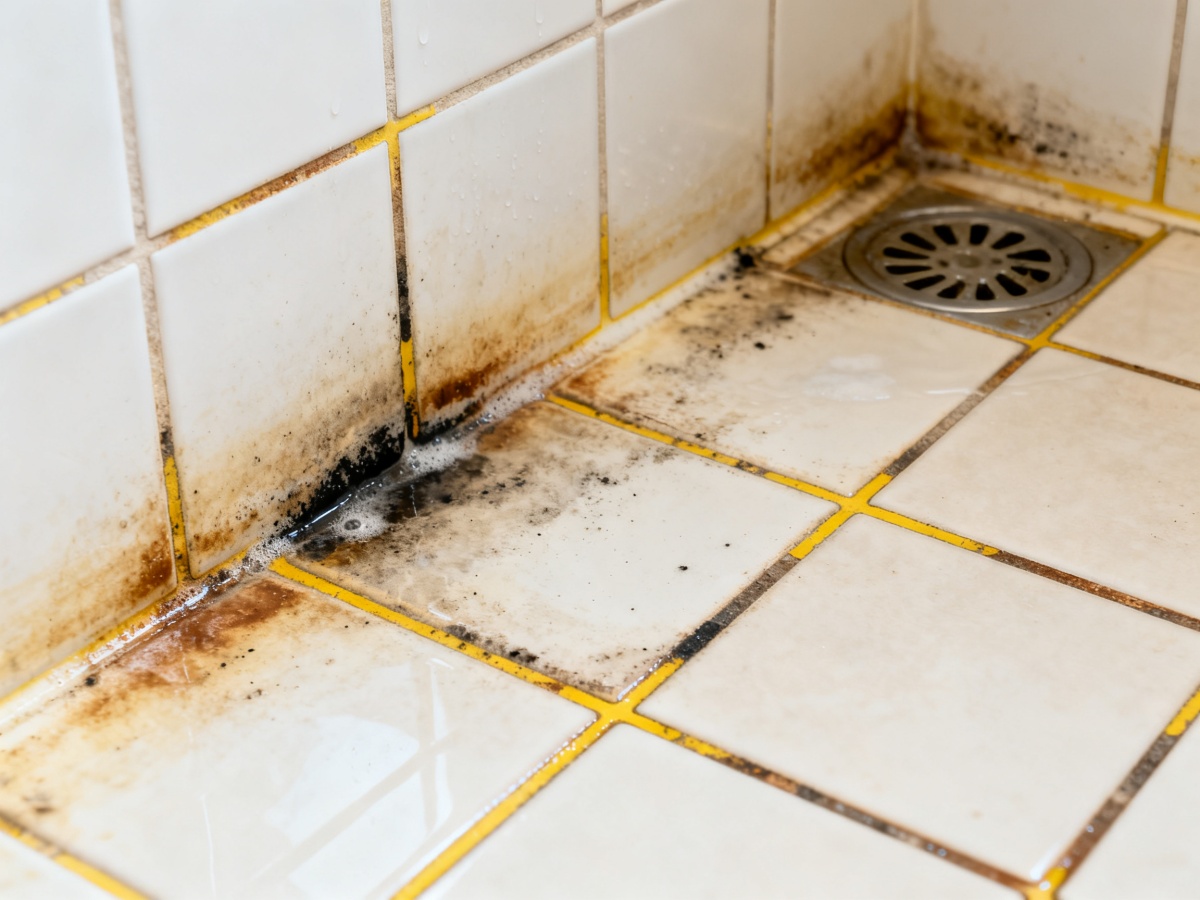
Grout discoloration usually develops gradually due to everyday use. Foot traffic can bring in dirt that settles into grout lines, while moisture in kitchens and bathrooms creates conditions for staining and mold growth. Some types of grouts are more porous, which makes them more likely to absorb liquids and discolor over time.
Preventing this issue starts with regular cleaning. Using mild cleaners and a soft brush can help remove buildup before it becomes permanent. Keeping tiled areas dry, especially in bathrooms, also reduces the risk of mold. Applying a grout sealer creates a protective layer that limits moisture absorption and helps maintain the original color for longer.
How to Identify and Fix Tile Grout Problems?
Early identification makes grout problems much easier to manage. Discoloration is usually visible, while cracks or weak spots can be detected by lightly pressing along the grout lines. If the grout feels loose or starts to crumble, it likely needs repair.
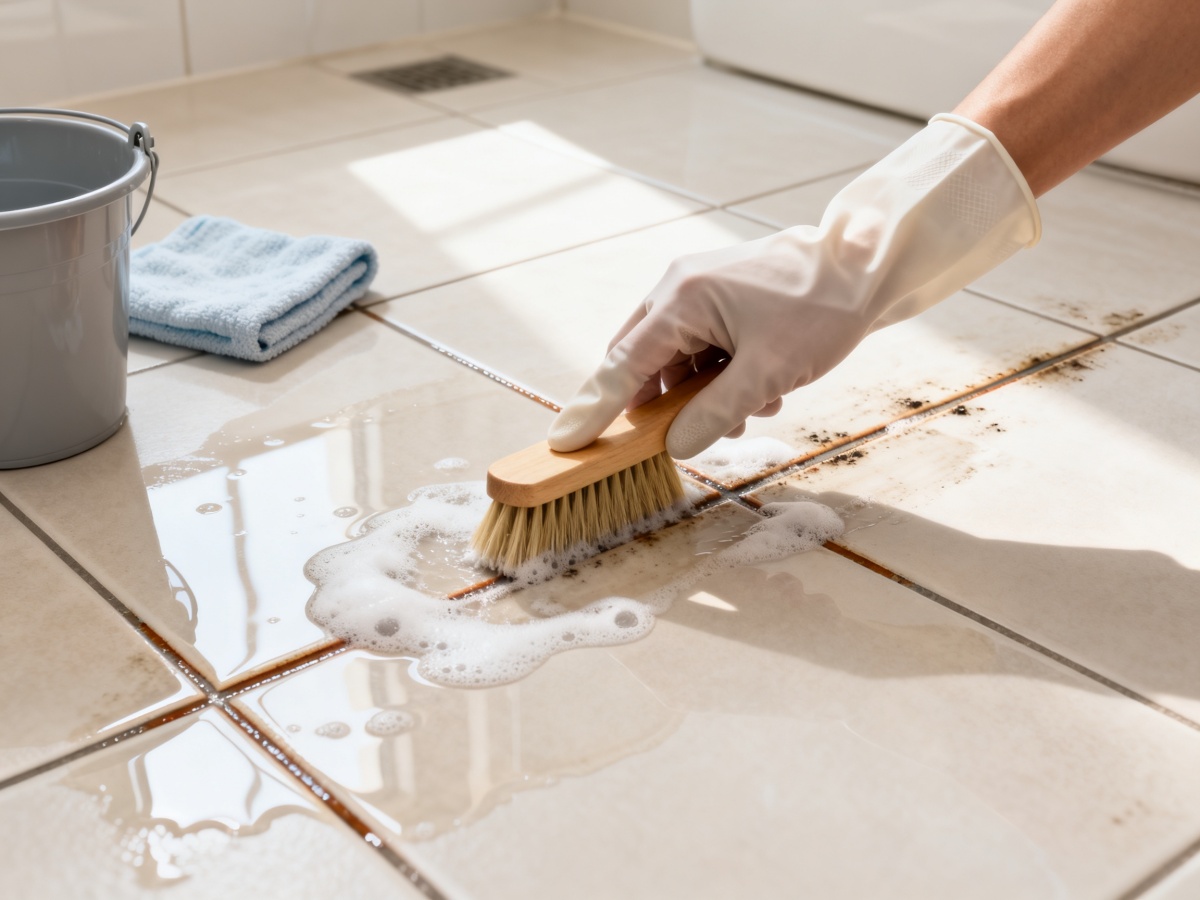
Cleaning is often enough for minor staining, but deeper damage requires removing the affected grout and reapplying new material. Mold should be treated carefully using appropriate cleaning solutions, and protective gear is recommended during the process. In severe cases, professional treatment may be necessary.
Regular maintenance, including periodic cleaning and timely repair, helps extend the life of grout and keeps tiled surfaces in good condition. In many projects, using higher-quality grout materials—such as those offered by OYH—can also improve durability and reduce the likelihood of recurring issues.

How to Choose the Right Tile Grout for High-Traffic Areas?
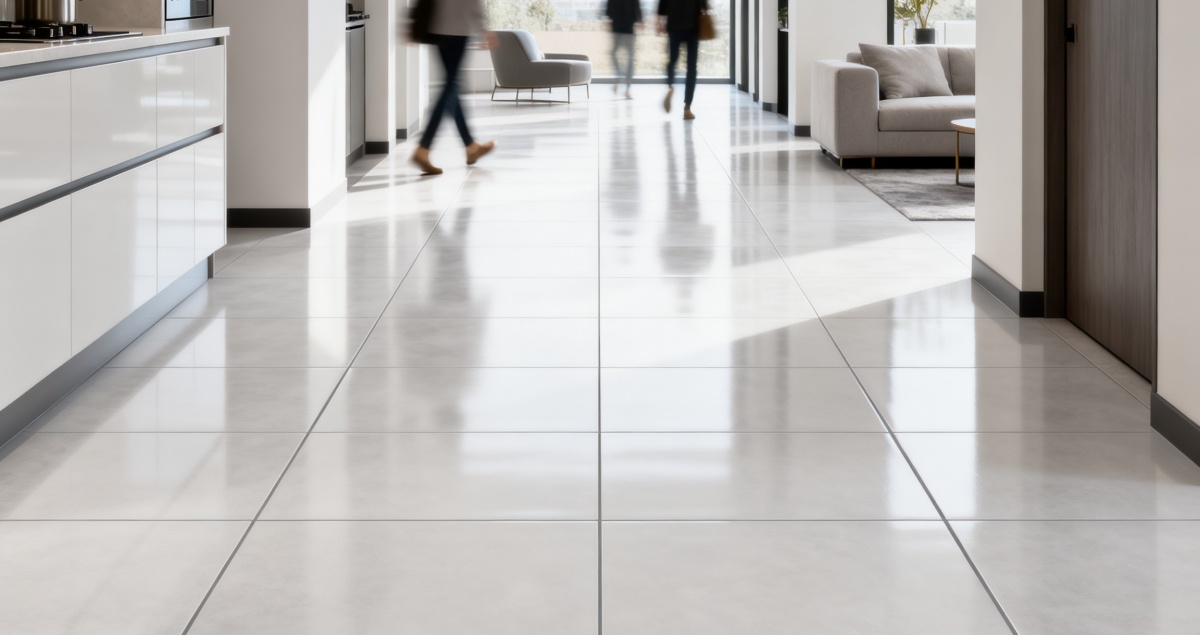
In areas with heavy use, such as hallways, kitchens, and living spaces, grout needs to withstand constant pressure and wear. Choosing a more durable and crack-resistant grout is essential in these environments.
Color selection also plays a practical role. Lighter grout may show dirt more easily, while darker tones can help maintain a cleaner appearance over time. In spaces exposed to water or frequent cleaning, water-resistant grout can help reduce staining and mold growth.
Ease of maintenance is another important factor. Smoother, less porous grout is generally easier to clean and maintain. For long-term performance, selecting reliable materials with consistent quality can make a noticeable difference in both appearance and durability.
How to Maintain Tile Grout for Long-Term Performance?
Maintaining tile grout is key to preventing recurring problems. Regular cleaning removes dirt and moisture before they build up, while sealing helps protect against stains and water penetration.
It is also important to inspect grout lines periodically, especially in areas exposed to water. Small cracks or gaps should be repaired promptly to prevent further damage. Keeping grout in good condition not only improves the appearance of tiled surfaces but also helps protect the underlying structure from moisture-related issues.


0 Comments