What Is a Waterproofing Membrane and Why Is It Used?
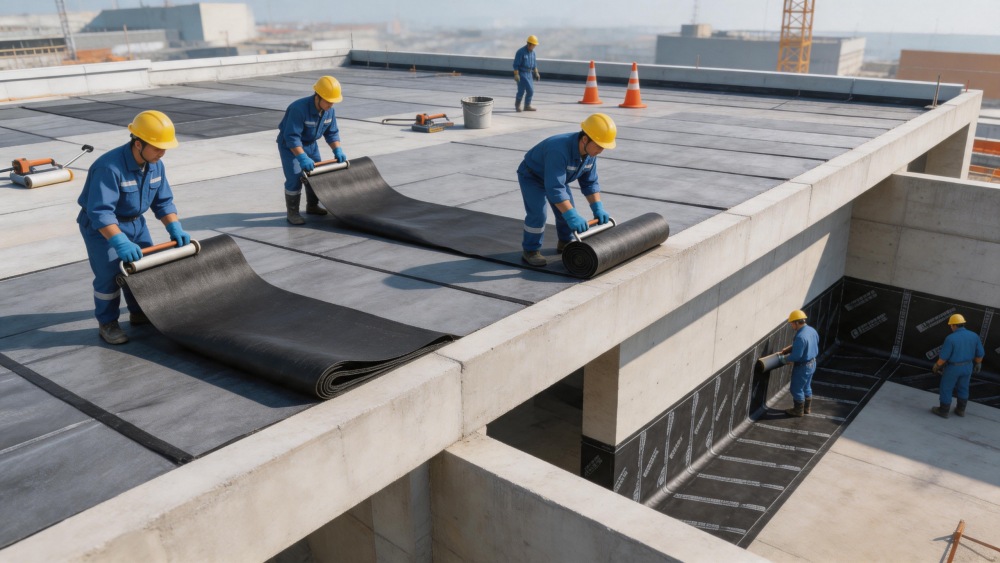
A waterproofing membrane is a protective layer applied to surfaces to prevent water from penetrating into a structure. It is commonly used in roofs, basements, foundations, and wet areas to protect buildings from moisture damage.
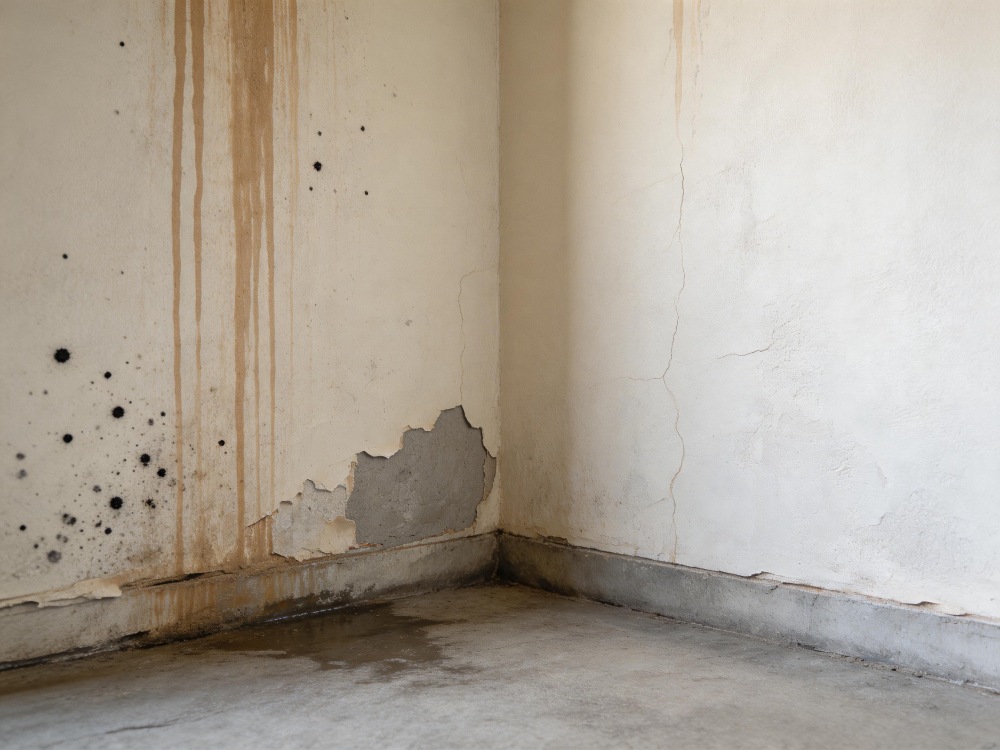
Without proper waterproofing, water can seep into walls, floors, and structural components, causing mold growth, material deterioration, and long-term structural issues.
Is Waterproofing Membrane Necessary for Buildings?
Yes, waterproofing membranes are essential for most buildings, especially those exposed to moisture, rain, or groundwater.
Water intrusion is one of the leading causes of structural damage. Without a waterproofing system, buildings are more likely to experience leaks, cracks, and internal damage over time. This is particularly critical for basements, roofs, and foundations, where water exposure is constant.
For buildings located in regions with heavy rainfall or high humidity, waterproofing is not optional—it is a necessary part of construction.
What Happens If You Don’t Use Waterproofing Membrane?
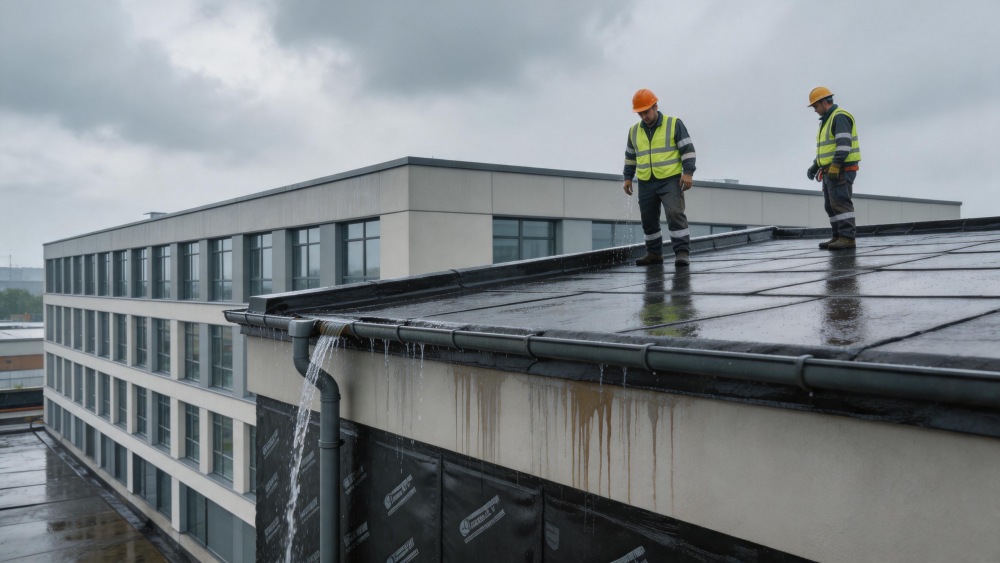
Without waterproofing membranes, several serious problems can occur:
· Water leakage: Moisture can penetrate walls, ceilings, and floors
· Mold and mildew growth: Damp environments promote unhealthy conditions
· Structural damage: Water weakens concrete, wood, and other materials
· Higher maintenance costs: Repairs become frequent and expensive
Over time, these issues can significantly reduce the lifespan of a building.
What Are the Benefits of Using Waterproofing Membranes?
Using waterproofing membranes provides several key advantages:
· Moisture protection: Keeps interiors dry and safe
· Extended lifespan: Protects structural materials from deterioration
· Improved indoor health: Reduces mold and damp-related issues
· Cost savings: Prevents expensive repairs in the future
· Stronger foundations: Helps maintain structural stability
These benefits make waterproofing a critical component of modern construction.
How to Choose the Right Waterproofing Membrane for Your Project?
Selecting the right waterproofing membrane depends on the specific application and environmental conditions. Different types of membranes are designed to handle different challenges.
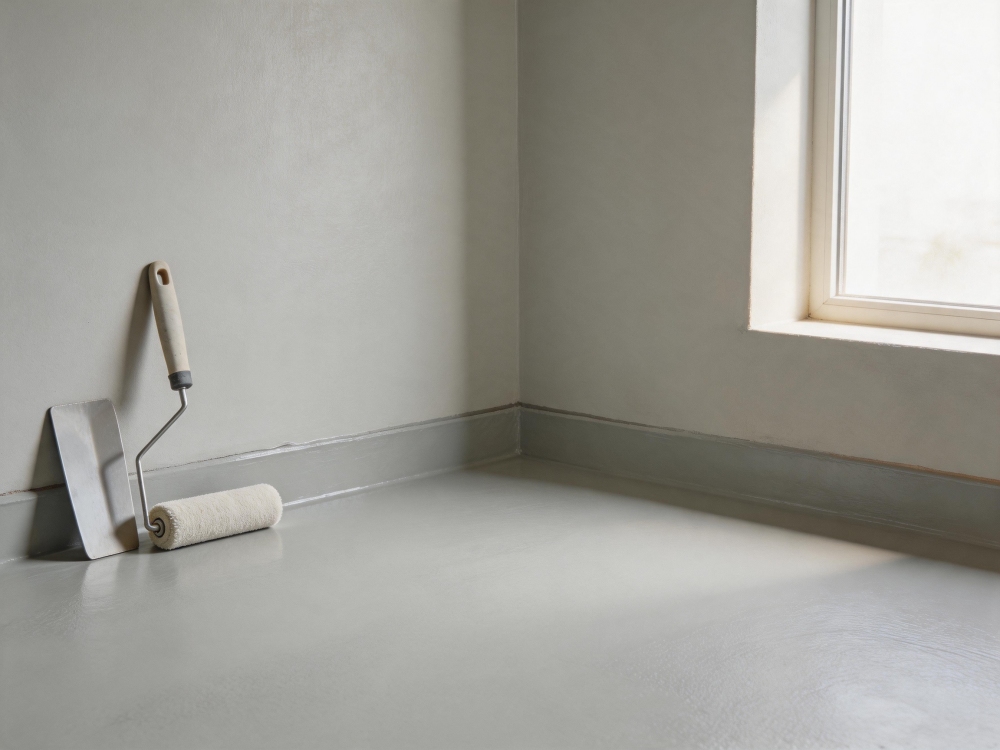
For example, liquid-applied membranes are suitable for complex or irregular surfaces, while sheet membranes provide consistent thickness and durability for large flat areas. Flexible materials are often preferred in structures where movement or temperature variation is expected.
In professional construction projects, consistent material quality and technical reliability are critical. This is why many contractors rely on established suppliers such as OYH, which offer a range of waterproofing membrane solutions designed to meet different performance requirements. Choosing the right product from the outset helps ensure long-term waterproofing performance.
How to Apply Waterproofing Membrane Correctly?
Proper application is just as important as material selection when it comes to waterproofing performance.
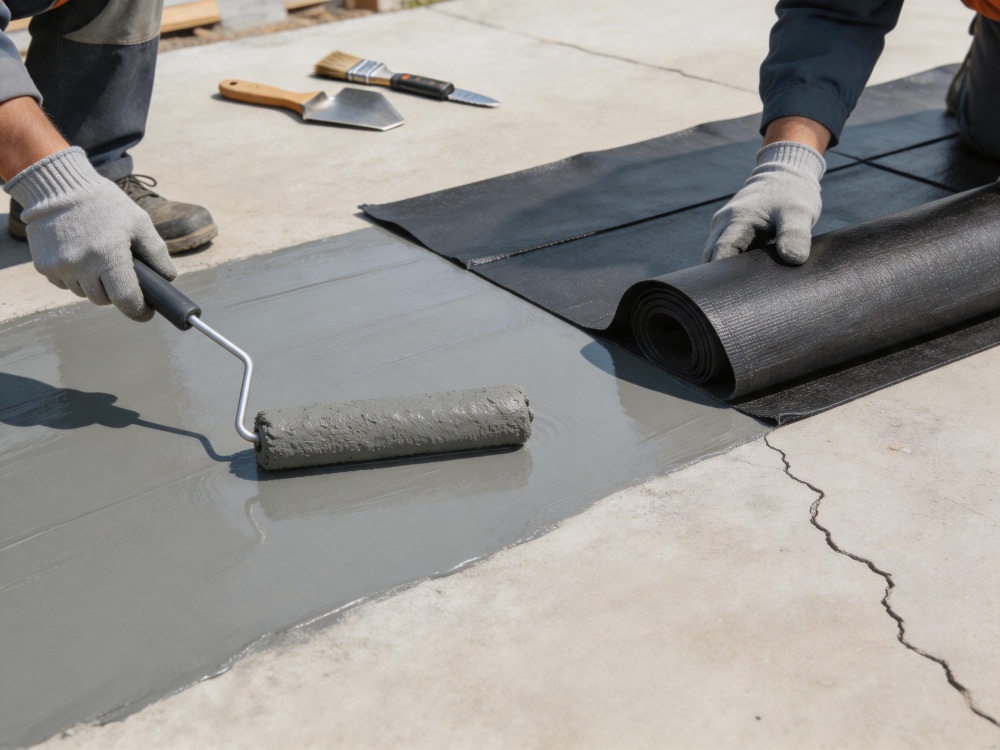
The surface must be clean, dry, and free from dust or grease to ensure proper adhesion. Any cracks or defects should be repaired before applying the membrane. Depending on the type of product, application methods may include brushing, rolling, or spraying.
It is important to apply the membrane evenly and follow the recommended thickness guidelines. Adequate curing time should also be allowed before exposing the surface to water or environmental stress. High-quality products are typically easier to apply consistently and provide more reliable long-term protection when installed correctly.
0 Comments