TPO and PVC: Two Types of Roofing for Flat Roofs
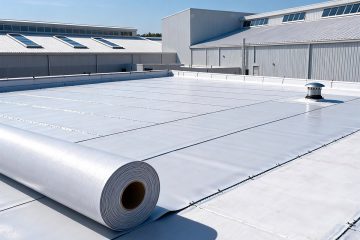
TPO and PVC are two widely used single-ply roofing membranes for flat roofs, especially in commercial and industrial projects. Although they serve similar purposes, their performance, cost, and application scenarios differ.
For contractors and distributors, choosing between them affects not only upfront cost but also long-term durability and maintenance. OYHORDER supplies both materials as part of integrated roofing system solutions for global projects.
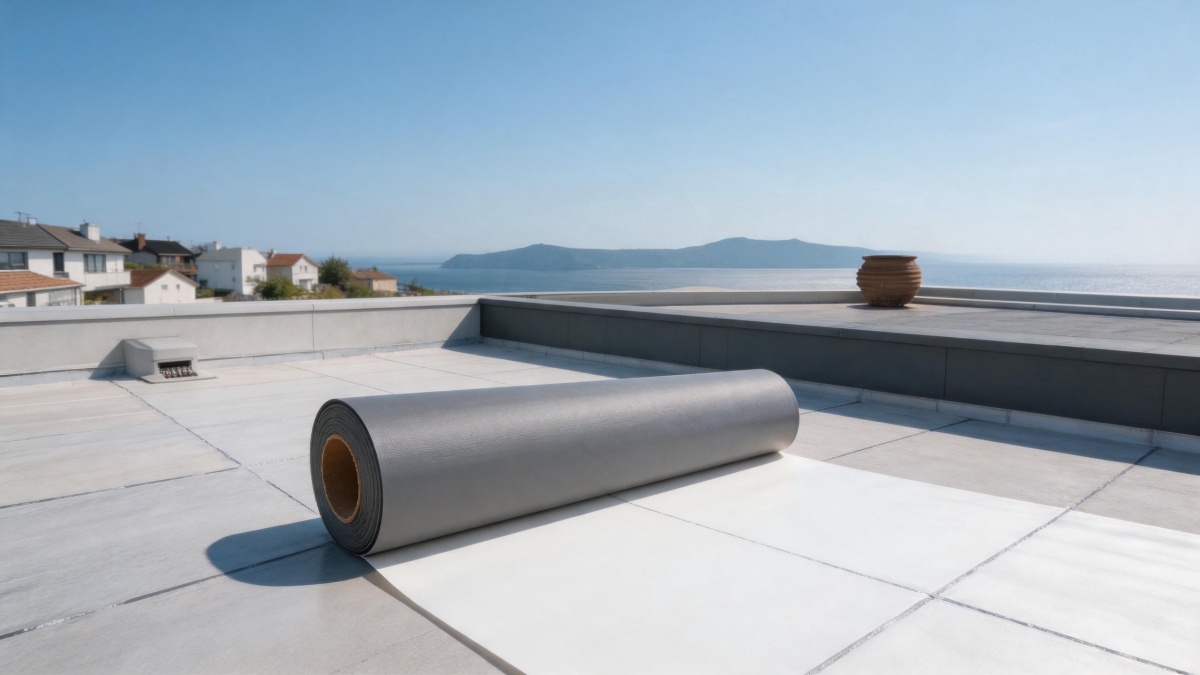
What Are the Key Differences Between TPO and PVC Roofing?
TPO (Thermoplastic Olefin) is made from polypropylene and rubber compounds, mainly valued for its heat-reflective properties and cost efficiency.
PVC (Polyvinyl Chloride) is enhanced with plasticizers, offering strong resistance to chemicals and fire, making it suitable for more demanding environments.
Key differences in practical use:
· Performance focus:
TPO is optimized for energy efficiency and UV resistance, while PVC performs better in chemically aggressive or fire-sensitive environments.
· Durability:
PVC generally provides stronger long-term resistance to punctures, chemicals, and grease. TPO performance is more dependent on formulation and installation quality.
· Installation:
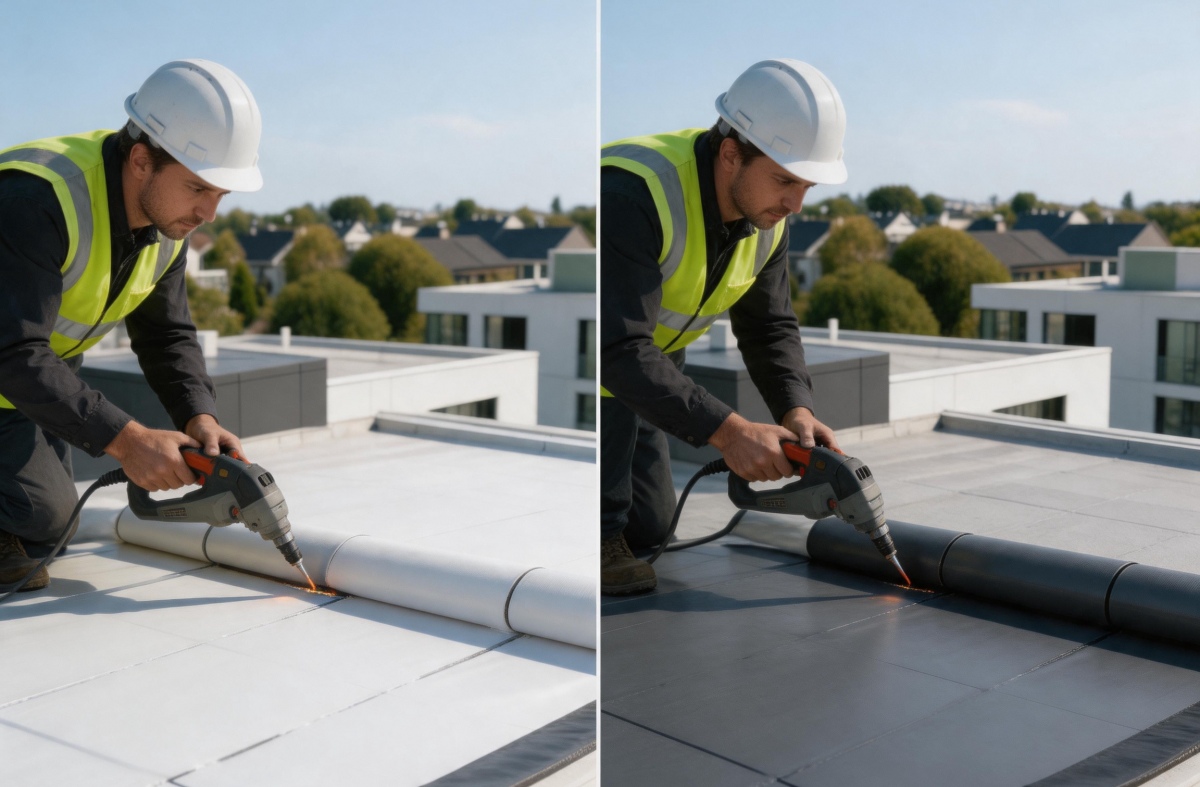
Both use heat-welded seams. TPO is lighter and easier to handle, improving installation efficiency.
· Cost:
TPO is typically more cost-effective, while PVC requires higher initial investment but offers stronger long-term performance.
· Appearance:
TPO is usually white for reflectivity, while PVC offers more color options.
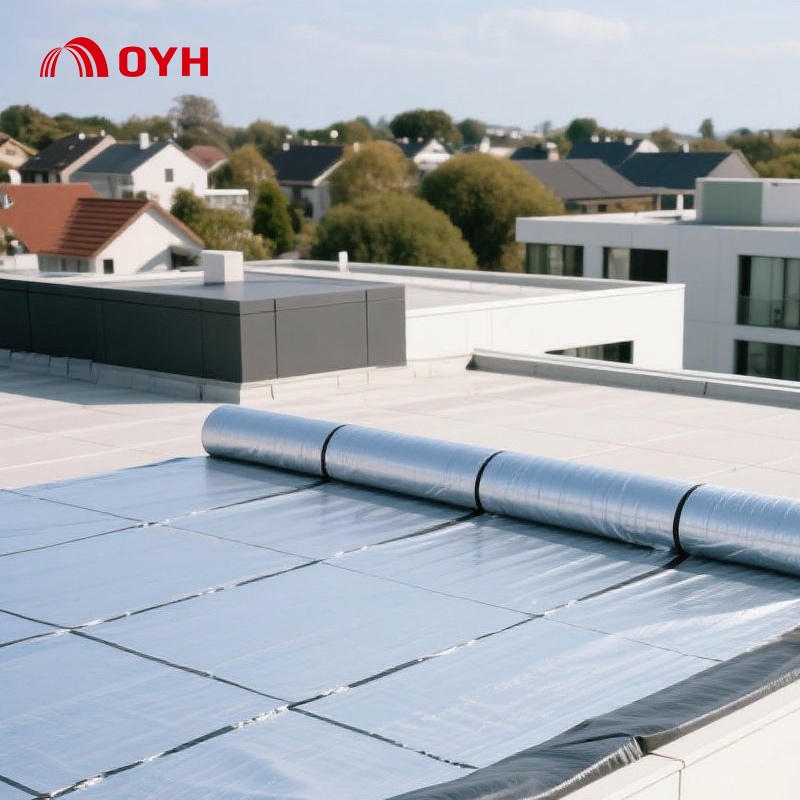
How to Choose Between TPO and PVC
Material selection should be based on project conditions rather than preference alone.
· TPO is suitable for large commercial roofs (e.g., warehouses, logistics centers) where cost control and energy efficiency are priorities.
· PVC is better for environments exposed to chemicals, oil, or higher fire requirements, such as factories or food-related facilities.
Roof performance also depends on the full system—insulation, installation quality, and waterproofing details—not just the membrane itself.
Sourcing for B2B Projects
For bulk purchasing, supplier reliability is critical. Key factors include:
· Consistent product quality
· Certifications and technical support
· Stable supply capacity for large or repeat orders
Working directly with manufacturers or integrated suppliers helps reduce cost and ensures better coordination. OYHORDER supports B2B buyers with stable supply and system-based solutions rather than single-product delivery.
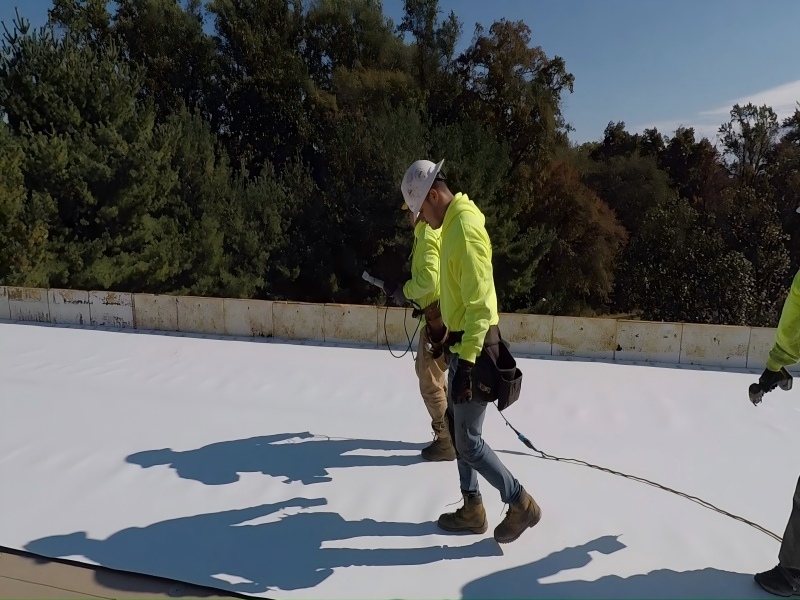
Lifecycle and Environmental Considerations
Service life:
TPO typically lasts 15–30 years under standard conditions.
PVC often achieves longer service life in demanding environments.
Sustainability:
TPO offers advantages in reflectivity and recyclability.
PVC has higher durability, which can reduce replacement frequency over time.
Final Insight
TPO is a practical choice for cost-efficient, large-scale roofing with good energy performance. PVC is better suited for projects requiring higher durability and resistance to chemicals or fire.
For B2B buyers, the priority should be selecting the right system for the application. Working with experienced suppliers like OYHORDER helps ensure consistent quality, reliable supply, and long-term project performance.
0 Comments