TPO membranes are widely used waterproofing materials for flat and low-slope roofs in commercial and industrial construction. They are made from thermoplastic polyolefin, a high-performance polymer that combines flexibility, weather resistance, and long service life.
As a global building materials supplier, OYHORDER provides stable-quality waterproofing membrane systems for contractors, distributors, and large-scale construction projects.
How TPO Membranes Work in Waterproofing Systems
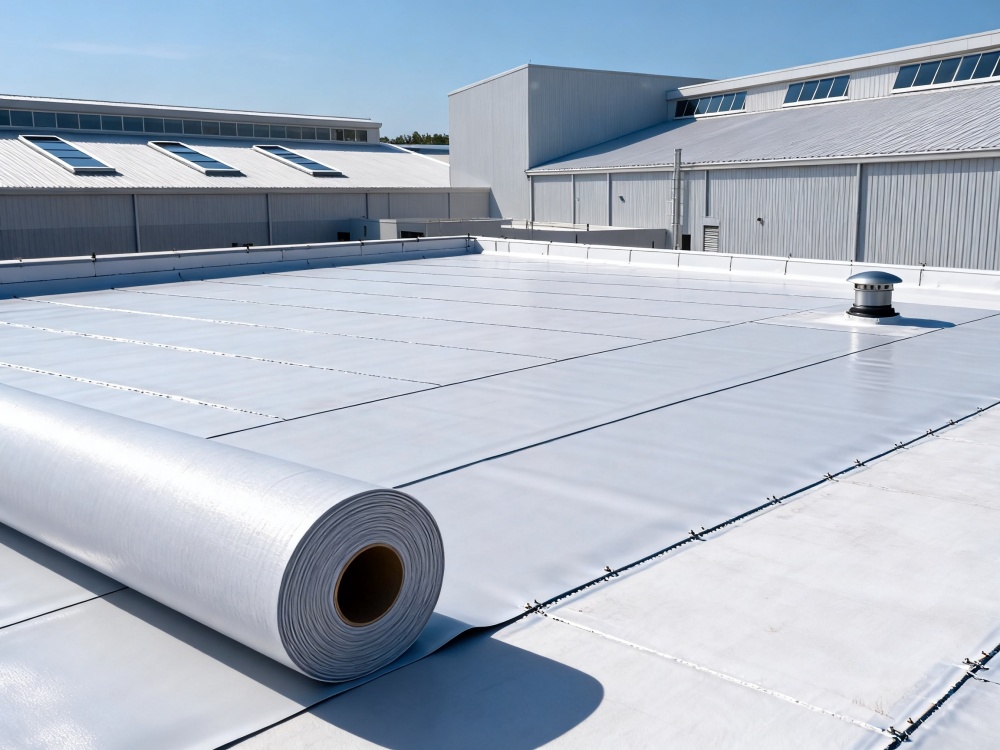
TPO membranes function as a single-ply waterproofing membrane system installed on flat or low-slope roofs. The membrane forms a continuous protective layer that prevents water penetration while improving overall roof performance.
During installation, TPO roofing membranes are heat-welded at the seams. This welding process creates a fully bonded waterproof layer, reducing leakage risks compared to traditional overlapping roofing materials.
Because of this structure, TPO membranes are widely used in modern roofing membrane systems for industrial and commercial buildings.
Energy Efficiency Benefits of TPO Membranes
One of the key advantages of TPO membranes is their energy-saving performance in roofing applications.
The surface of TPO roofing membranes is typically light-colored, allowing high solar reflectivity. This reduces heat absorption on the roof surface and helps lower indoor cooling demand.
As a result, buildings using TPO waterproofing membranes can significantly reduce energy consumption in hot climates, making them a preferred choice for warehouses, factories, and commercial facilities.
In long-term use, TPO membranes also maintain stable UV resistance, supporting durable roof waterproofing membrane performance over time.
Advantages of TPO Membranes in Flat Roof Construction
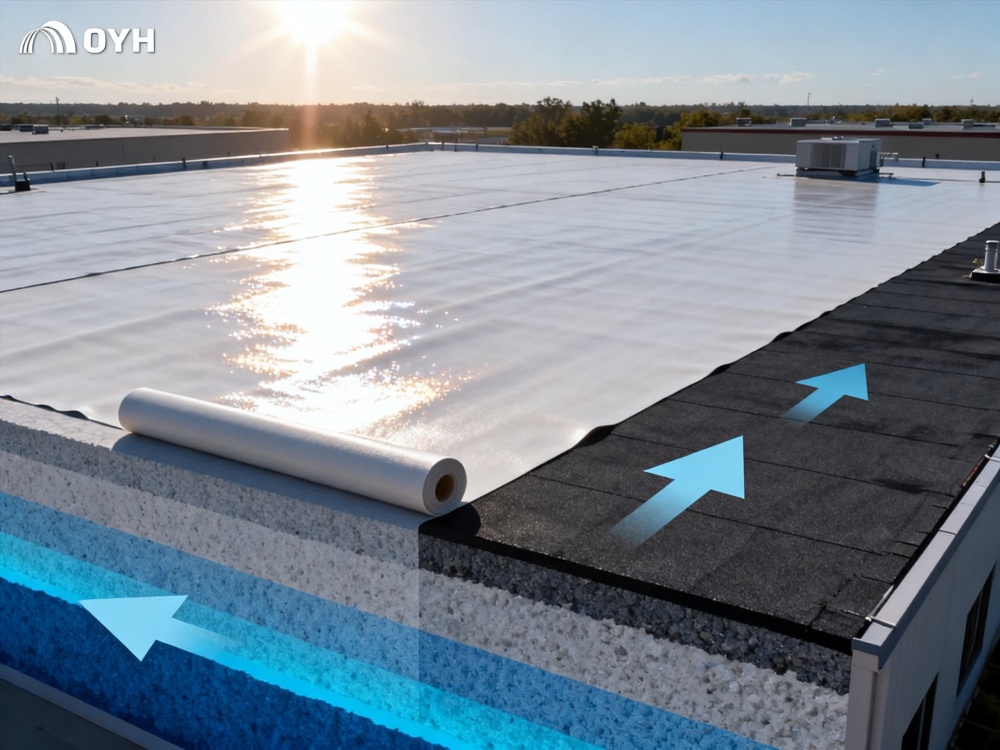
TPO membranes are widely selected for flat roof systems due to their balanced performance and installation efficiency.
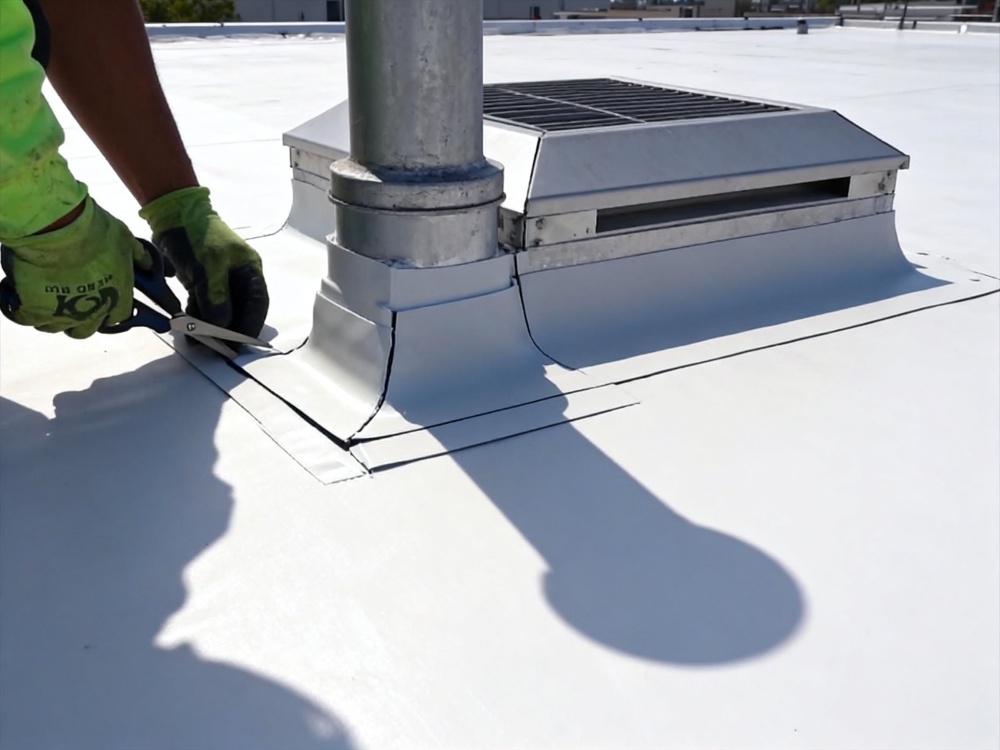
Their lightweight structure reduces building load, making them suitable for both new construction and renovation projects. At the same time, TPO roofing membranes offer strong flexibility, allowing them to adapt to complex roof details such as edges, vents, and pipe penetrations.
Compared with some traditional waterproofing membrane systems, TPO membranes provide a cleaner and more efficient installation process, especially in large-scale commercial roofing projects.
Installation Requirements and System Compatibility
Proper installation is essential to ensure waterproofing performance. Heat-welded seams require professional equipment and skilled installers to guarantee uniform bonding strength.
Before installation, the roof surface must be clean, dry, and structurally stable. Poor surface preparation or weak seam welding is one of the main causes of leakage failure.
In most engineering applications, TPO membranes are used together with insulation boards, polymer adhesives, and compatible waterproofing systems to form a complete roofing solution. Regular inspection after installation is recommended for long-term performance stability.
Common Performance Issues and Prevention
While TPO membranes are highly durable, improper installation or extreme environmental conditions can affect performance.
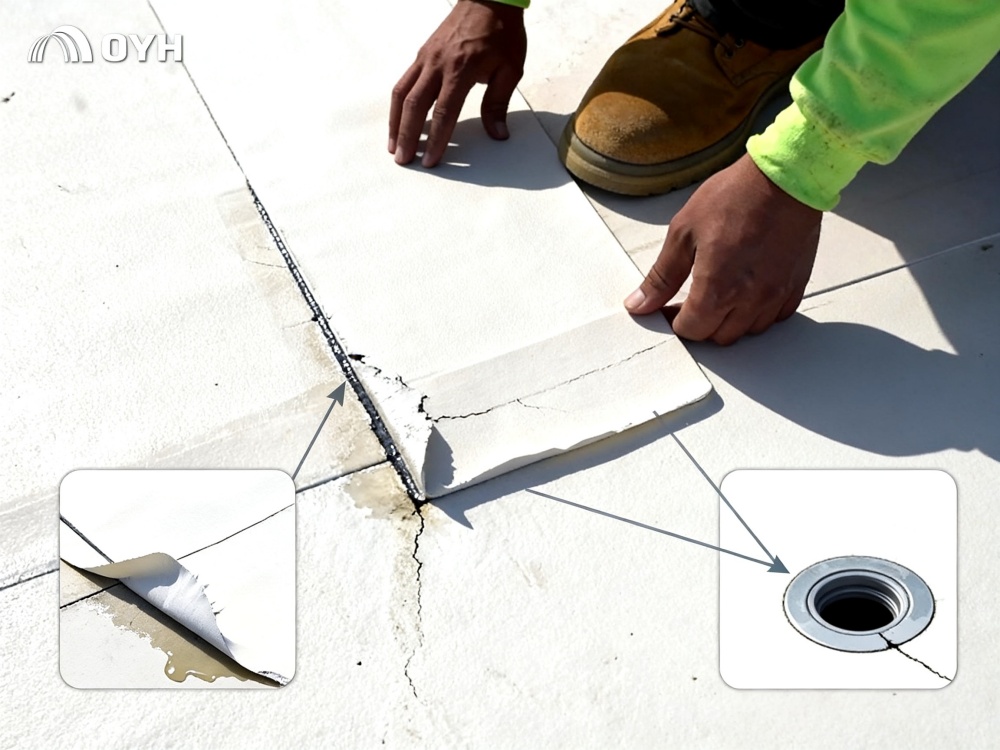
Temperature variations may influence material flexibility, especially during installation. Chemical incompatibility with certain substances may also reduce membrane durability.
The most common technical risk remains improper seam welding, which can lead to water infiltration if not correctly executed. Therefore, installation quality control and routine inspection are critical for system reliability.
TPO Membranes vs Traditional Waterproofing Systems
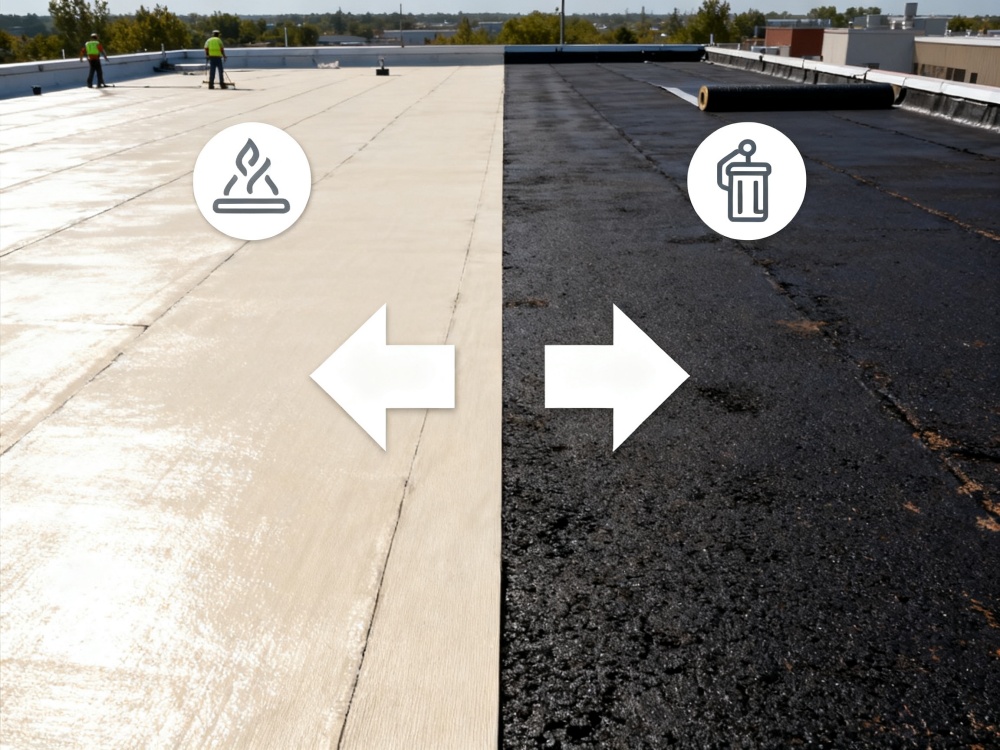
Compared with bituminous waterproofing systems, TPO membranes offer better energy efficiency and cleaner installation processes.
They do not require open flame application, improving on-site safety and installation efficiency. Their reflective surface also reduces heat absorption, while traditional asphalt-based systems tend to retain heat.
In long-term applications, TPO systems generally require less maintenance and provide more stable waterproofing performance in flat roof environments.
Selecting a Reliable TPO Membrane Supplier
For B2B roofing projects, supplier reliability is as important as product performance.
OYHORDER provides integrated TPO membrane waterproofing systems and related building material solutions for global contractors and distributors. The focus is on stable supply capability, engineering-grade product consistency, and support for large-scale roofing projects.
Choosing a reliable supplier ensures consistent product quality, technical support, and long-term project stability.
Conclusion
TPO membrane systems are increasingly preferred in modern flat roofing due to their balance of durability, energy efficiency, and installation practicality. With proper system design and a reliable supply partner like OYHORDER, they deliver long-term waterproofing performance and cost efficiency for commercial and industrial projects.

0 Comments