The best tile grout depends on where it is used, how much moisture it will be exposed to, and how much wear the surface will experience.
In general, epoxy grout is considered the most durable option, especially for wet and high-use areas. However, cement-based and other modified grouts are still widely used depending on the application.
There is no single “best grout” for every situation—the right choice depends on the project requirements.
What Types of Tile Grout Are Available?
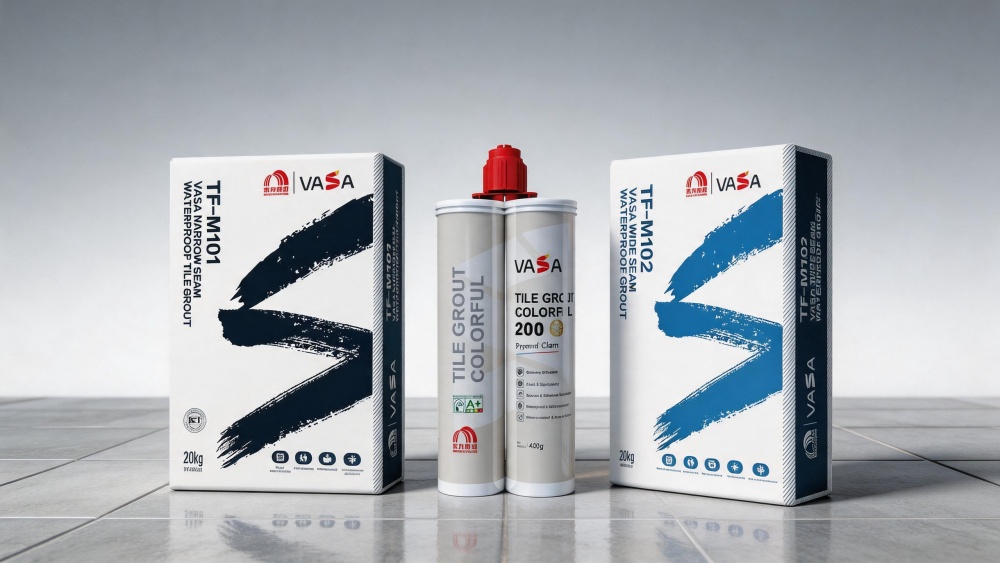
Tile grout is mainly divided into three common types: cement-based grout, epoxy grout, and urethane grout.
Cement-based grout is the most traditional option. It is easy to apply and cost-effective, making it suitable for general wall and floor tiling. However, it is more porous and may require sealing in wet environments.
Epoxy grout is a high-performance option made from resin and hardener. It is non-porous, highly water-resistant, and resistant to stains and chemicals. This makes it suitable for bathrooms, kitchens, and other moisture-heavy areas.
Urethane grout offers flexibility and decent water resistance. It performs well in areas where slight movement may occur, helping reduce cracking over time.
Which Grout Is Best for Different Areas?
The best grout depends heavily on the installation environment.
For bathrooms and kitchens, epoxy grout is often preferred due to its strong water resistance and low maintenance requirements.
For living rooms, hallways, and general indoor flooring, cement-based grout is commonly used because it is easier to install and more economical.
For areas with movement or vibration, flexible options like urethane grout can help maintain joint stability.
Choosing based on environment is more reliable than focusing only on cost or appearance.
Why Tile Grout Performance Varies
Grout performance is influenced by several practical factors.
Moisture exposure is one of the most important. In wet environments, porous grout types can absorb water, leading to stains or mold growth over time.
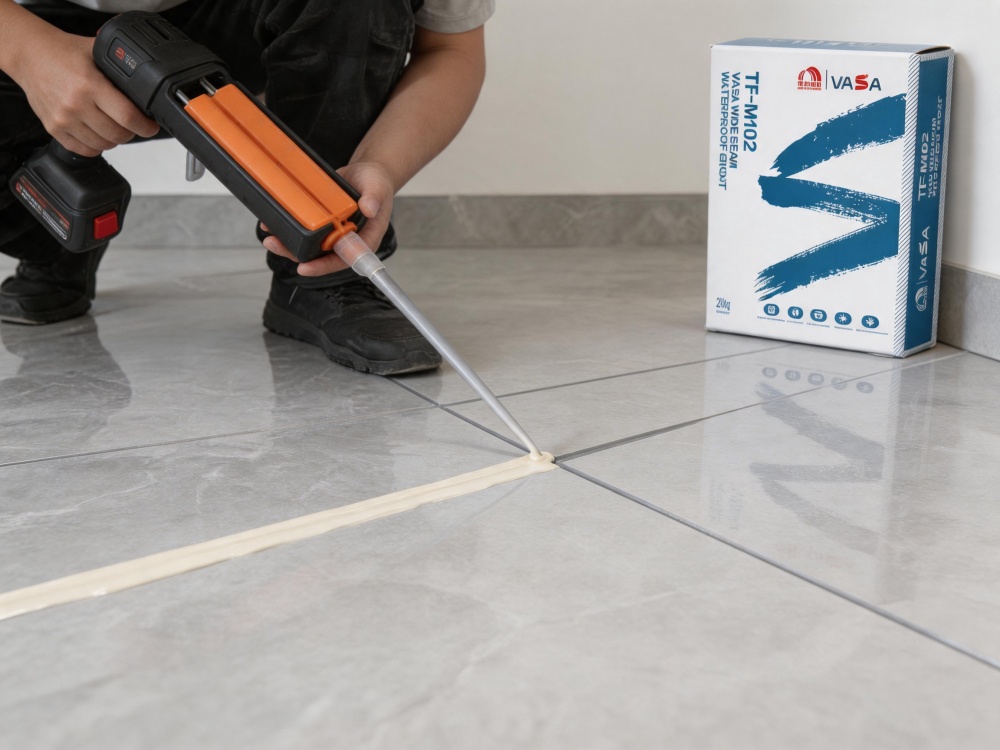
Joint width also affects performance. Wider joints require stronger and more stable grout materials, while narrow joints are easier to fill with smoother formulations.
Installation quality plays a major role as well. Even high-quality grout can fail if it is mixed or applied incorrectly.
Material selection, environment, and workmanship all work together to determine final performance.
Common Tile Grout Problems
Most grout issues are related to incorrect selection or installation rather than the material itself.
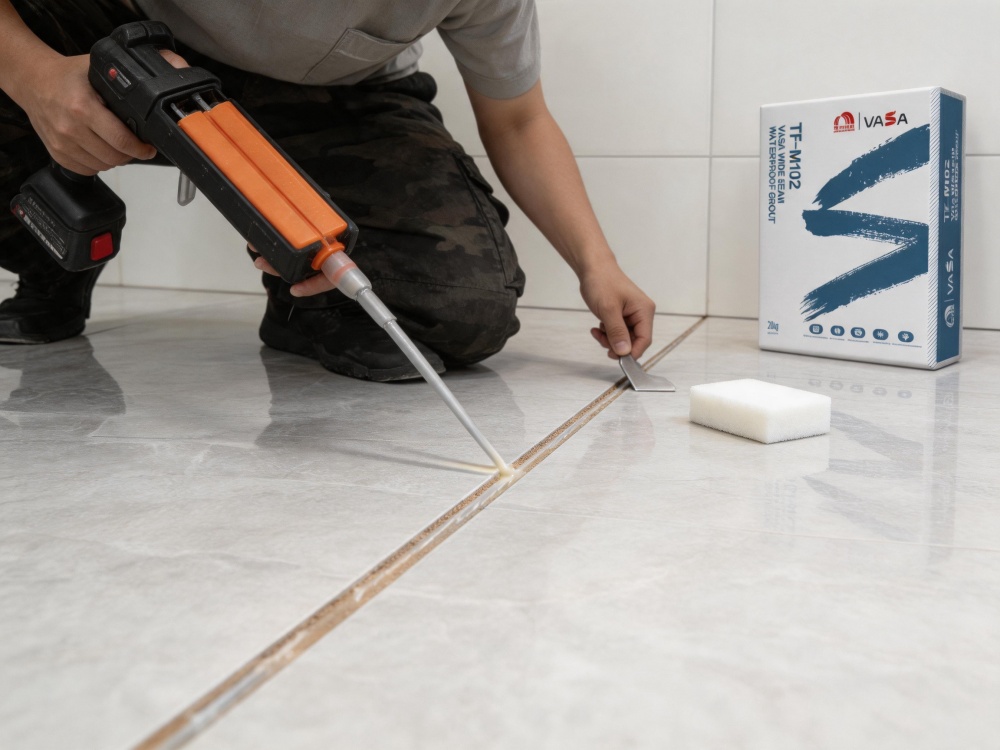
Cracking often occurs when grout is not suitable for the movement of the surface or when it is applied incorrectly.
Staining and discoloration usually happen in porous grout used in wet or high-traffic areas.
Mold growth is common in bathrooms or kitchens when moisture is absorbed into the grout over time.
Using the correct grout type for each environment significantly reduces these risks.
How to Maintain Tile Grout
Regular maintenance helps extend the lifespan of grout and keeps tiled surfaces looking clean.
Simple cleaning with water and a soft brush is often enough for routine care. In more stubborn cases, mild cleaning solutions can be used to remove stains.
Keeping the area dry and well-ventilated helps reduce moisture buildup, especially in bathrooms and kitchens.
For long-term projects, using consistent material quality is also important. Suppliers like OYH provide tile grout solutions designed for different environments with stable performance and technical support.
Where to Buy Tile Grout for Large Projects
For large-scale tiling projects, bulk purchasing is often more efficient and cost-effective.
Local building material suppliers can provide immediate access to different grout types, while online platforms allow easy comparison of specifications and pricing.
When selecting a supplier, it is important to ensure the grout matches the required application environment and performance level.
Reliable suppliers like OYH support contractors and project buyers with consistent product quality and solutions for different tiling applications.
Conclusion: Choosing the Best Tile Grout
There is no universal “best tile grout,” only the most suitable option for each application.
Epoxy grout is generally the strongest and most water-resistant choice, while cement-based grout remains widely used for general tiling. Urethane grout offers flexibility for areas with movement.
The correct selection, combined with proper installation, ensures long-term durability and stable performance.


0 Comments