When selecting roofing materials, TPO membrane and EPDM are two of the most commonly used solutions for flat and low-slope roofs. Both are widely applied in commercial and industrial construction, but they differ significantly in material structure, performance, and long-term cost efficiency.
Understanding these differences is essential for making the right decision based on climate conditions, building type, and project budget. OYHORDER works with both membrane systems and supports global construction projects with suitable waterproofing solutions.
What Is the Difference Between TPO and EPDM Roofing Systems?
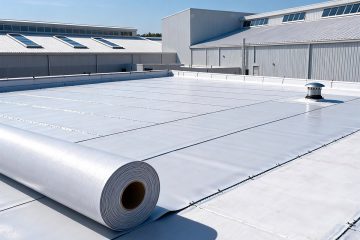
TPO (Thermoplastic Polyolefin) is a single-ply roofing membrane known for its reflective white surface and energy-efficient performance. It helps reduce heat absorption, making it suitable for buildings in warm or high-sunlight regions.
EPDM (Ethylene Propylene Diene Monomer) is a synthetic rubber membrane known for its flexibility and long-term weather resistance. It performs well under harsh environmental conditions such as heavy rain, snow, and temperature fluctuations.
In simple terms, TPO focuses more on energy efficiency, while EPDM focuses more on long-term durability and weather stability.
TPO vs EPDM: Performance in Real Project Conditions
From a project application perspective, the choice between TPO and EPDM depends largely on environmental requirements.
TPO performs better in hot climates because its reflective surface reduces rooftop temperature and helps improve building energy efficiency. This can be particularly beneficial for large commercial facilities where cooling costs are significant.
EPDM performs more consistently in extreme weather conditions. Its rubber-based structure allows it to remain flexible in low temperatures and resist cracking, which makes it suitable for colder or more variable climates.
Both materials are designed for long-term waterproofing, but their performance advantages apply in different environmental scenarios.
Installation and Service Life Comparison
Installation methods also influence material selection.
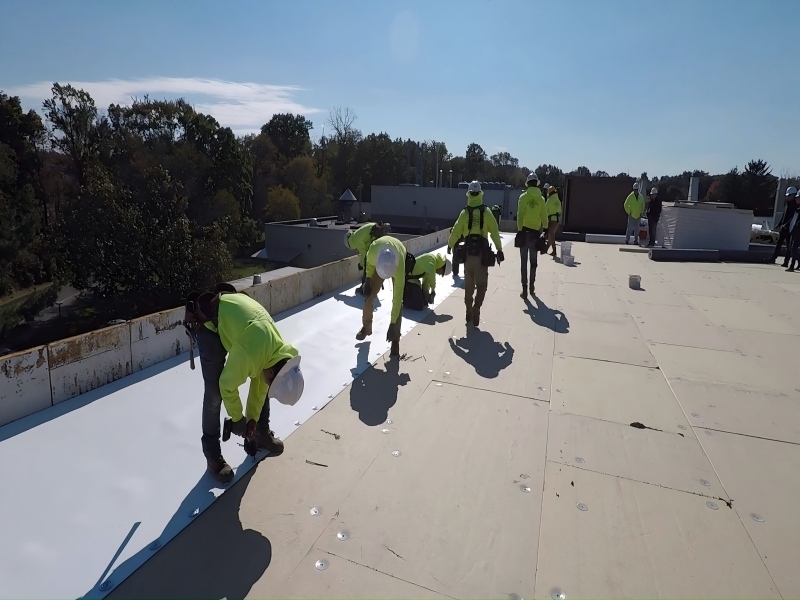
TPO membranes are generally lighter and easier to handle during installation, especially in large-scale projects where speed and labor efficiency are important.
EPDM is usually installed in larger sheets, which reduces the number of seams. Fewer seams can mean fewer potential leakage points, which is an advantage for long-term waterproofing reliability.
In terms of service life, both materials offer long-term performance when properly installed. EPDM generally has a longer proven lifespan, while TPO continues to improve with newer formulations and manufacturing technology.
Cost and Lifecycle Considerations
Cost evaluation should include both initial investment and long-term operational savings.
TPO typically has a lower upfront material cost and can provide energy savings due to its heat-reflective properties. This makes it attractive for projects focused on short- to mid-term return on investment.
EPDM usually has a higher initial cost but may offer better long-term value due to its durability and lower maintenance requirements.
For B2B buyers, the decision is often based on whether the project prioritizes upfront budget control or long-term lifecycle performance.

Which Material Is Better for Commercial Roofing?
Both TPO and EPDM are widely used in commercial roofing systems such as warehouses, factories, logistics centers, and large public buildings.
TPO is often selected for projects where energy efficiency and modern building standards are priorities. Its reflective surface supports green building goals and reduces cooling demand.
EPDM is often preferred for projects requiring proven long-term durability and stable performance in challenging weather conditions.
In many cases, the final selection depends on regional climate conditions, building function, and total lifecycle cost strategy. OYHORDER supports contractors and distributors in selecting suitable membrane systems for different engineering scenarios.
How to Choose Between TPO and EPDM for Your Project
Climate conditions are critical. Hot regions tend to benefit more from TPO, while cold or highly variable climates may be better suited for EPDM.
Roof design also matters. Complex structures may require materials with better flexibility and installation adaptability.
Budget planning is another important factor, including both initial material cost and long-term maintenance expectations.
For large-scale procurement, technical support and supplier reliability also play a key role in ensuring consistent project quality.
Where to Source Reliable TPO and EPDM Membranes
For construction and engineering projects, selecting a reliable supplier is as important as selecting the material itself.
Buyers should evaluate suppliers based on product consistency, technical documentation, production capacity, and delivery reliability. These factors directly affect project execution efficiency and waterproofing performance.
Experienced suppliers can also provide technical guidance and specification support, helping reduce installation risks and material mismatch issues.
OYHORDER supplies TPO and EPDM membrane systems for international construction projects and supports B2B clients with stable product quality and engineering-oriented service.
Final Insight
TPO and EPDM are both proven roofing solutions, but they serve different project priorities. TPO is more suitable for energy efficiency-focused designs, while EPDM is preferred for long-term durability and weather resistance.
For B2B decision-makers, the most important factor is aligning material performance with project environment and lifecycle expectations, rather than choosing based on cost alone.
0 Comments