A waterproofing membrane is a protective layer applied to surfaces to prevent water penetration into a structure. It is widely used in roofs, basements, foundations, and wet areas to protect buildings from moisture damage and extend their lifespan.
These membranes act as a barrier between the structure and water, helping to maintain structural integrity and reduce long-term maintenance issues.
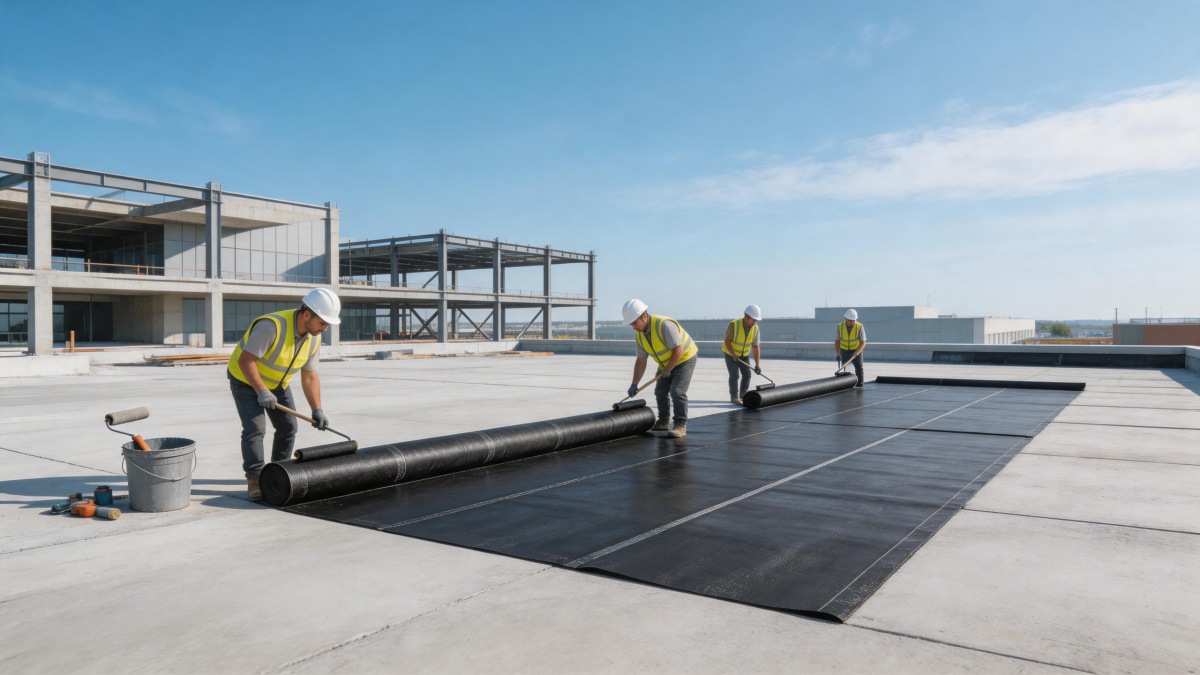
How Does a Waterproofing Membrane Prevent Water Leakage?
Waterproofing membranes function by forming a continuous, impermeable barrier over a surface. This barrier prevents water from passing through while maintaining adhesion to the substrate.
Depending on the type, membranes work in several ways:
· Physical barrier protection: Sheet and liquid membranes create a seamless layer that blocks water intrusion
· Elastic flexibility: Many membranes can stretch and bridge small cracks, maintaining protection even when the structure moves
· Chemical resistance: Advanced formulations resist degradation from water, salts, and environmental exposure
· Self-sealing properties: Some materials, such as bentonite membranes, expand upon contact with water to seal gaps
By combining these properties, waterproofing membranes keep water on the surface and prevent it from penetrating the structure.
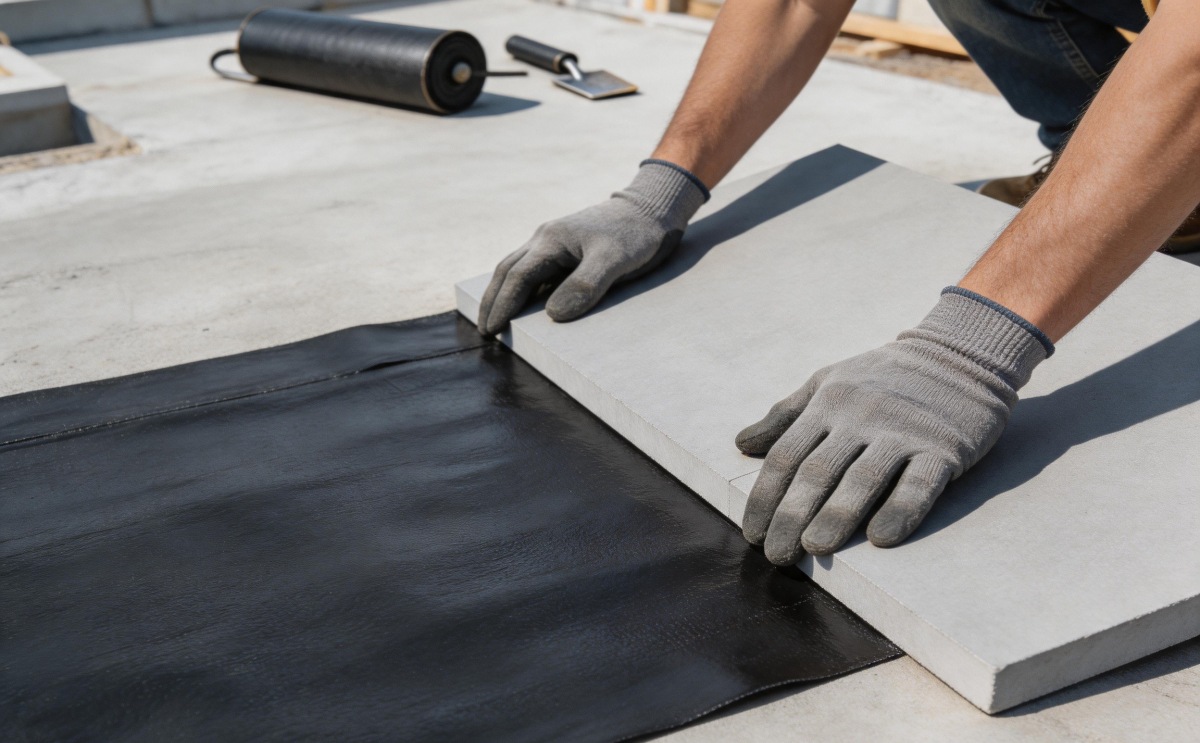
Types of Waterproofing Membranes
There are several common types of waterproofing membranes used in construction:
· Liquid-applied membranes: Applied by brush, roller, or spray, ideal for complex or irregular surfaces
· Sheet membranes: Pre-formed rolls that provide consistent thickness and high durability, often used on roofs and foundations
· Bentonite membranes: Made from natural clay that expands when wet, creating a self-sealing layer
· Self-adhesive membranes: Easy-to-install solutions that require no additional bonding agents
Each type is designed for specific environments and project requirements.
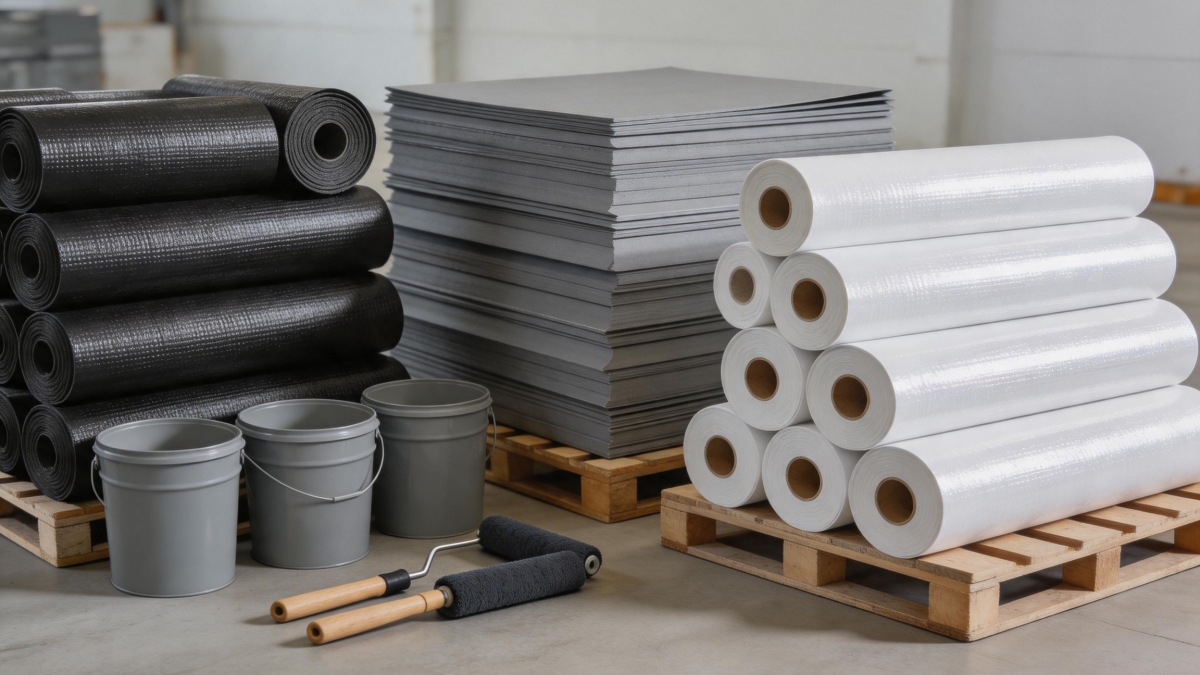
Where Are Waterproofing Membranes Commonly Used?
Waterproofing membranes are widely used in areas exposed to moisture, including:
· Roof systems exposed to rain and snow
· Basements and underground structures prone to water pressure
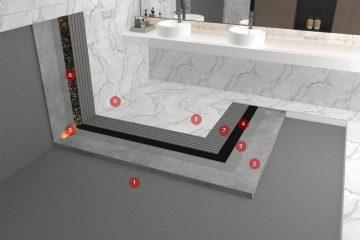
· Bathrooms, kitchens, and other wet interior spaces
· Balconies, terraces, and external walls
Proper application in these areas helps prevent water infiltration, mold growth, and structural deterioration.
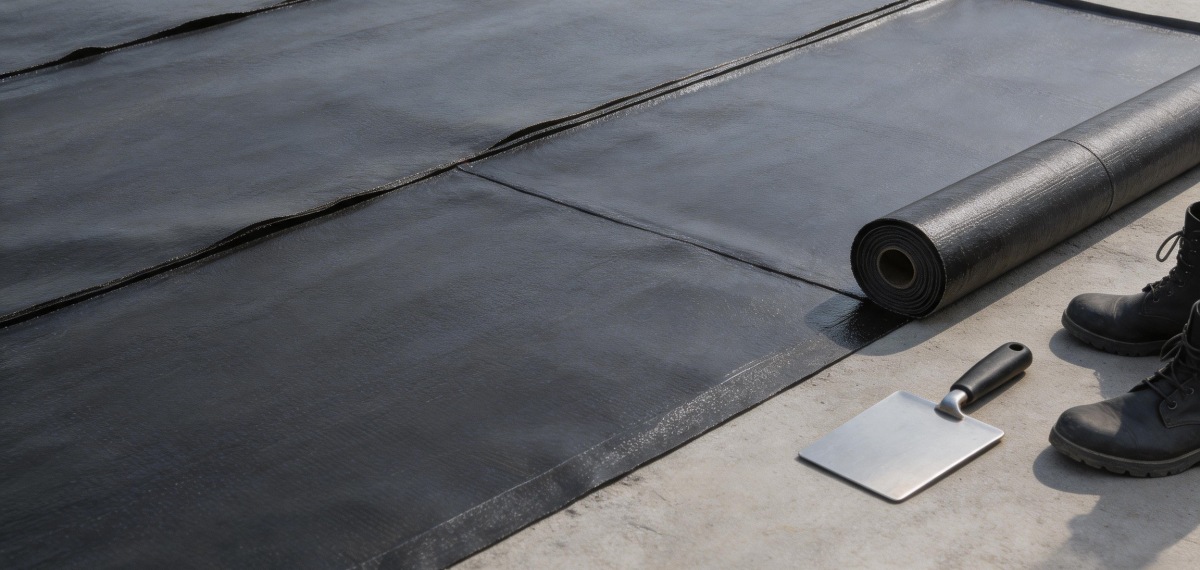
Why Is Waterproofing Membrane Important for Buildings?
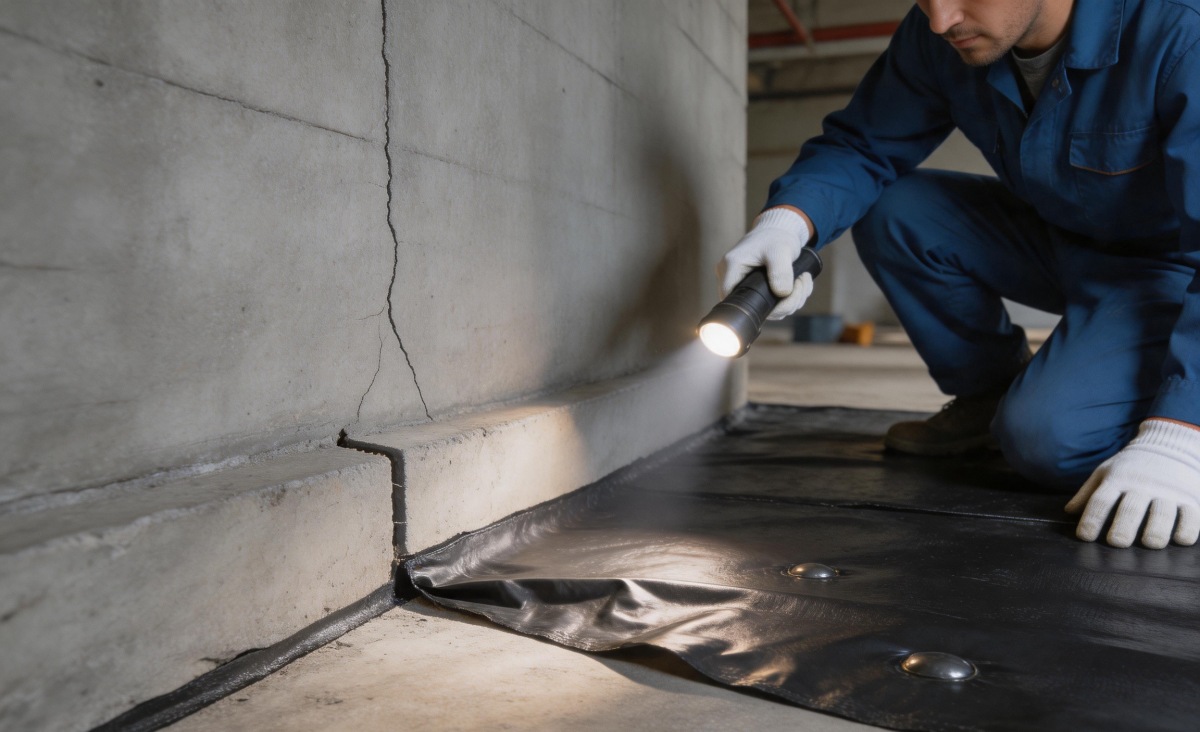
Waterproofing membranes play a critical role in protecting buildings from water damage. Without proper protection, water can penetrate surfaces and cause serious problems such as mold growth, material deterioration, and structural weakening.
They are especially important for basements and roofs, where exposure to moisture is constant. Using waterproofing systems helps extend the lifespan of buildings and reduces long-term repair costs.
Where to Buy Waterproofing Membranes in Bulk?
For large construction projects, purchasing waterproofing membranes in bulk is a practical and cost-effective solution. Bulk sourcing ensures consistent material quality and reduces supply interruptions during installation.
Reliable suppliers such as OYH offer a wide range of waterproofing membrane solutions for different applications. With stable supply capabilities and technical support, they can help contractors and distributors select suitable products for their projects.
0 Comments