When you choose grout for your tiles, you will usually find two main types: sanded and unsanded grout. Both are used to fill the gaps between tiles, but they have different features and applications. Understanding these differences can help you select the right option for your project. OYH is here to guide you.
How to Choose Sanded or Unsanded Grout for a Project?
Choosing between sanded and unsanded grout mainly depends on the size of the gaps between your tiles. If the gaps are wider than 1/8 inch, sanded grout is usually the better choice. It contains sand,which helps fill larger spaces and adds strength. Wider joints can crack if they are not filled properly.
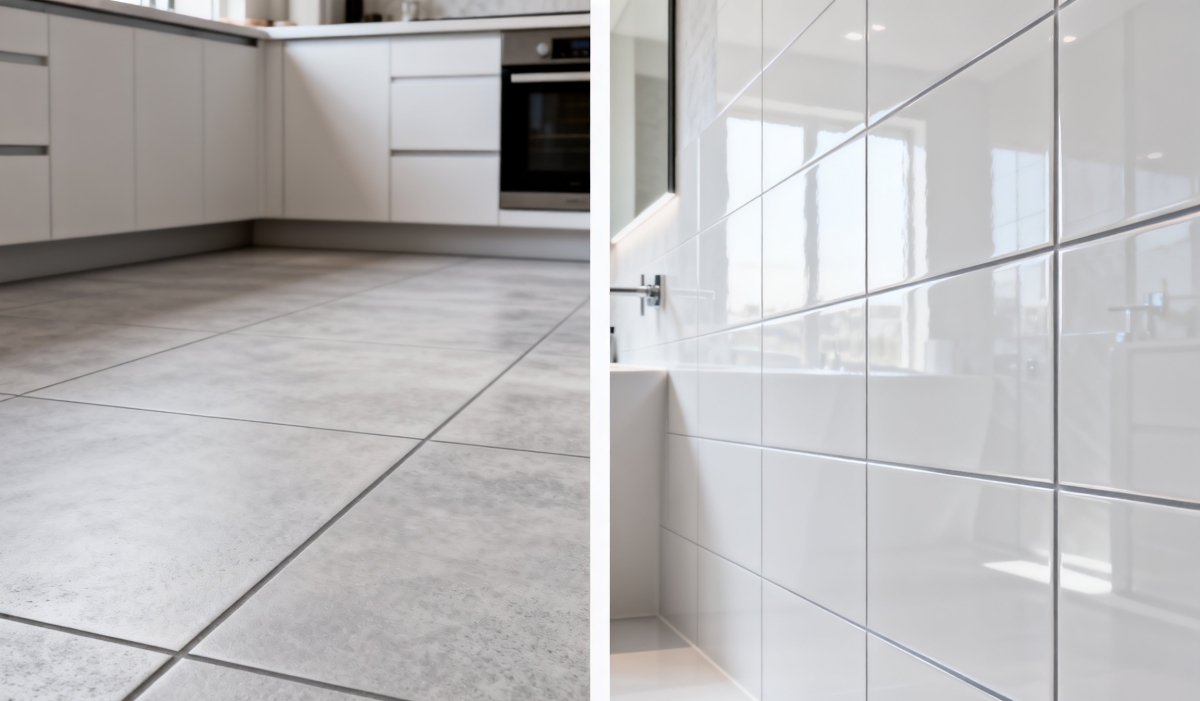
For smaller gaps, less than 1/8 inch, unsanded grout works better. It is smoother and easier to apply in narrow spaces. If unsanded grout is used in wider gaps, it may shrink and crack over time.
You should also consider where the grout will be used. For floors or countertops, sanded grout is recommended because it can handle more weight and pressure. Unsanded grout is better suited for walls where there is less stress.
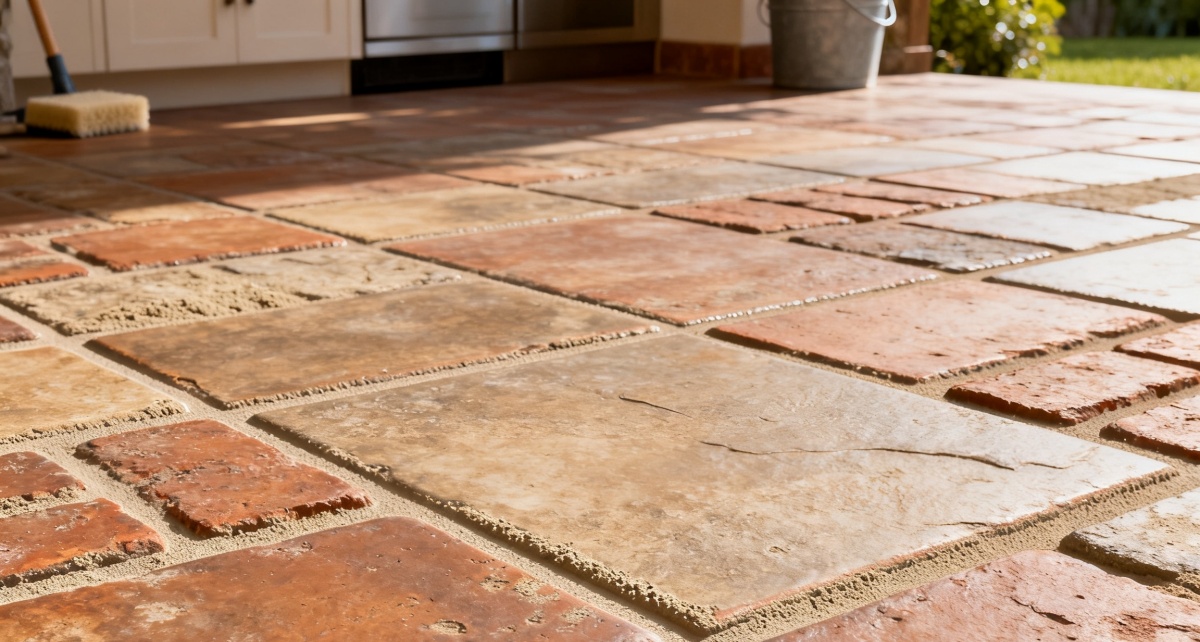
Appearance is another factor. Unsanded grout provides a smoother finish, which works well with delicate tiles. Sanded grout has a more textured surface, which pairs well with rustic or natural-style tiles. In wet areas such as bathrooms, it is important to choose a grout that performs well under moisture.
Benefits of Sanded Grout for Large Tile Spaces
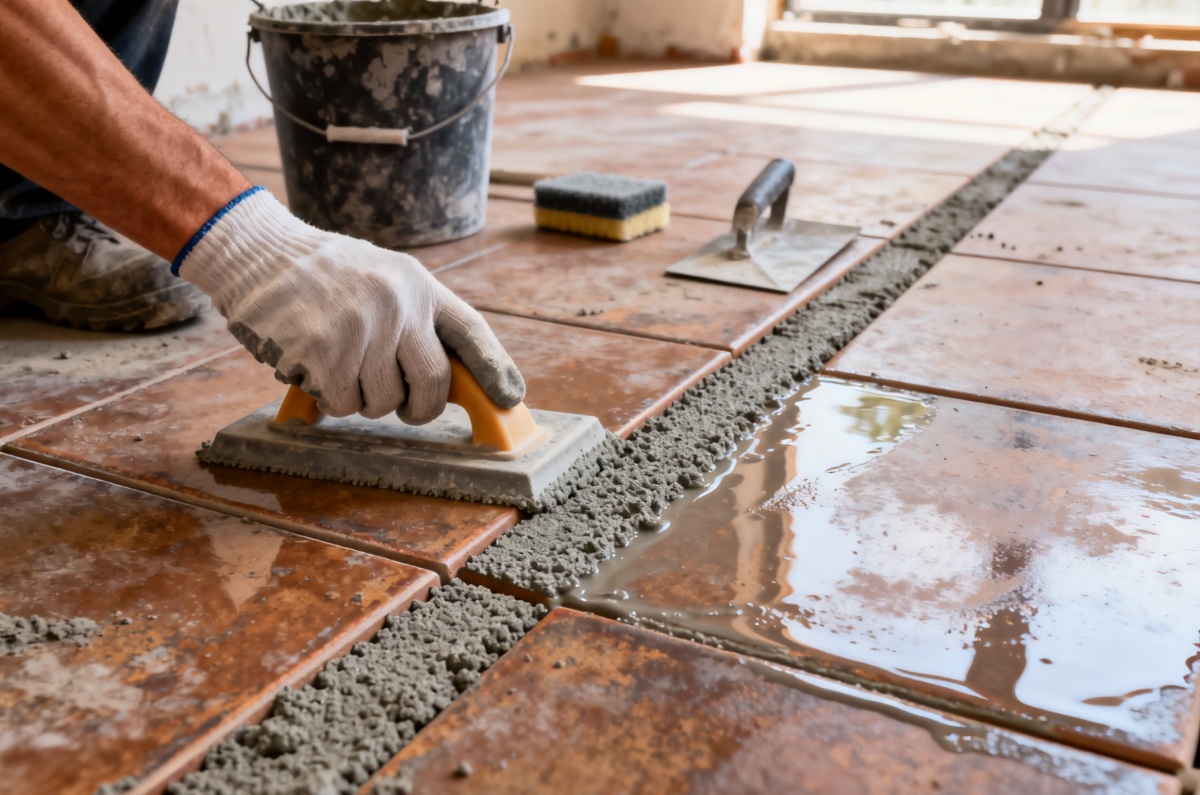
Sanded grout is a good choice for larger spaces. One of its main advantages is strength. The added sand makes it more durable, which is important for surfaces that experience pressure.
For example, on a kitchen floor, sanded grout holds up better over time and is less likely to crack. It also shrinks less during drying, helping it stay firmly in place in wider joints.
In addition, sanded grout is relatively resistant to wear and can be cleaned more easily in many cases. It is available in a wide range of colors and is often used for outdoor applications such as patios.
Uses of Unsanded Grout for Small Tile Spaces
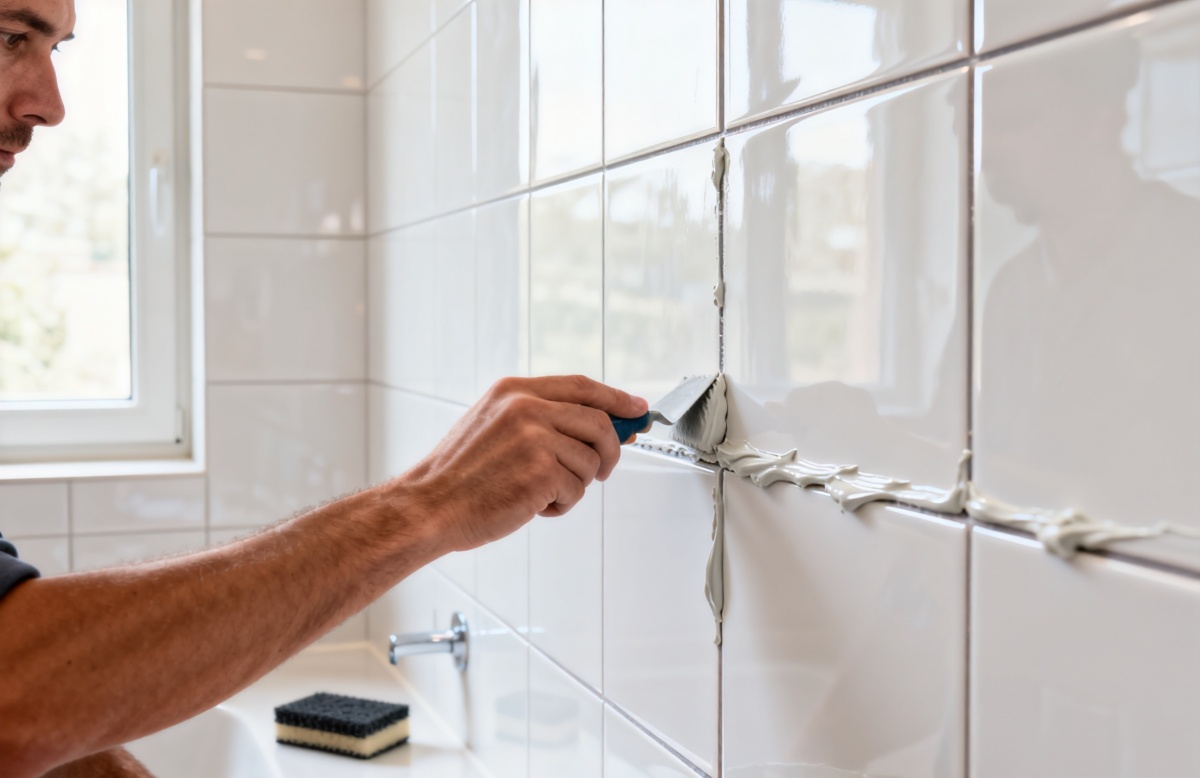
Unsanded grout is best for small gaps, especially those less than 1/8 inch wide. Because it does not contain sand, it has a smooth texture that allows it to fill tight spaces easily and create a clean finish.
It adheres well and is commonly used for bathroom or kitchen walls. In narrow joints, it is less likely to crack and provides a more uniform appearance.
However, it is not as strong as sanded grout and should not be used in areas that experience heavy pressure or foot traffic.
Differences Between Sanded and Unsanded Grout
The main difference between the two types is the presence of sand. Sanded grout contains sand, making it stronger and more suitable for wider gaps and floor applications. Unsanded grout has a smoother consistency and is better for small joints and delicate surfaces.
Using the wrong type can lead to problems. Sanded grout may not fit properly into very narrow joints, while unsanded grout may shrink or crack in wider gaps. OYH offers both options, allowing users to choose based on their specific needs.
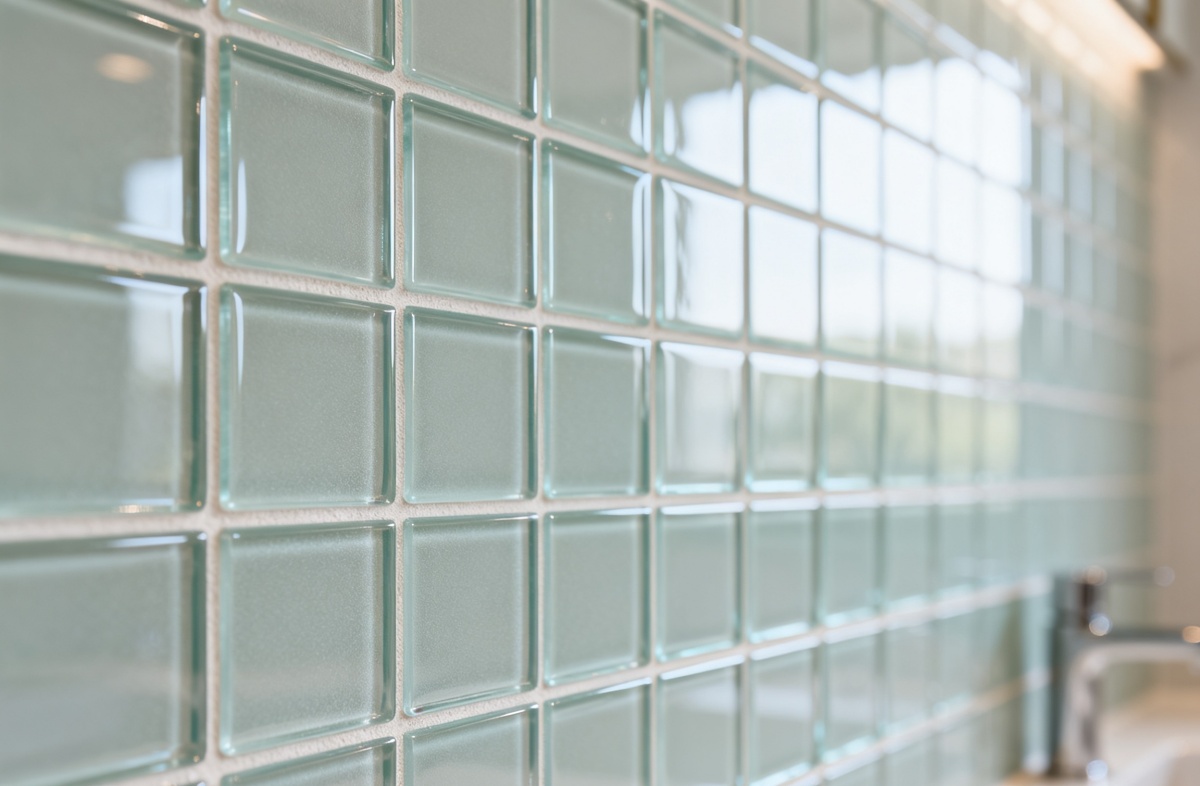
Choosing Quality Grout for Long-Lasting Results
It is important to choose high-quality grout from a reliable supplier such as OYH. Reviewing product details and specifications can help ensure the grout is suitable for your application.
Good-quality grout improves durability and helps maintain the appearance of tiled surfaces over time. By selecting the right type and applying it correctly, your tile installation can remain stable and visually consistent for years.


0 Comments