Waterproofing membranes are protective layers designed to prevent water from entering buildings and structural surfaces. They are widely used in roofs, basements, bathrooms, and foundations to reduce water damage risks.
Water intrusion can cause serious issues such as wall deterioration, mold growth, steel corrosion, and wood rot. That is why selecting the right waterproofing system is essential for long-term building durability.
What Is a Waterproofing Membrane?
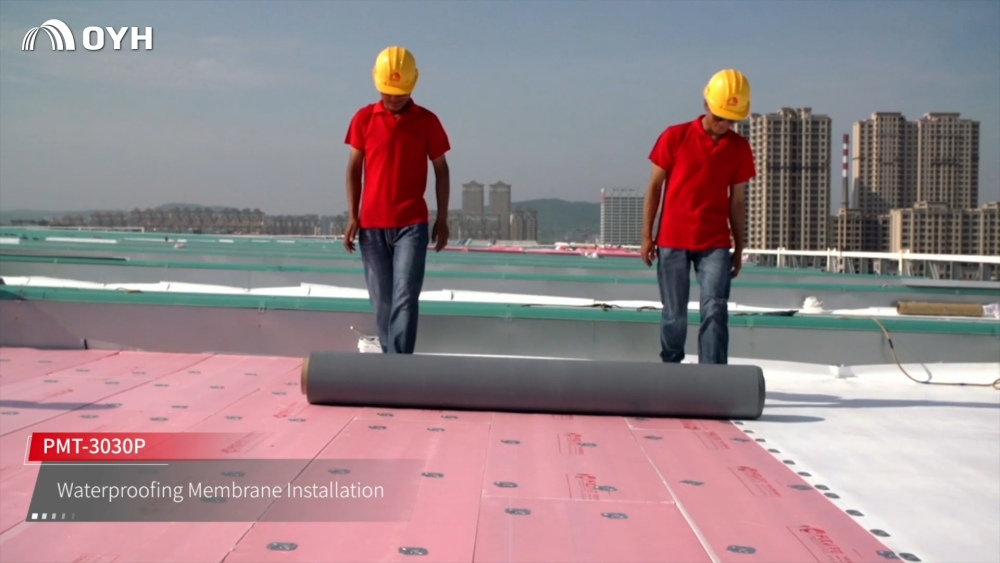
A waterproofing membrane is a continuous layer applied to a surface to block water penetration. Once in place, it acts as a barrier between the structure and external moisture, whether from rain, groundwater, or humidity.
It is widely used across residential, commercial, and infrastructure projects, especially in areas exposed to long-term moisture.
Main Types of Waterproofing Membranes
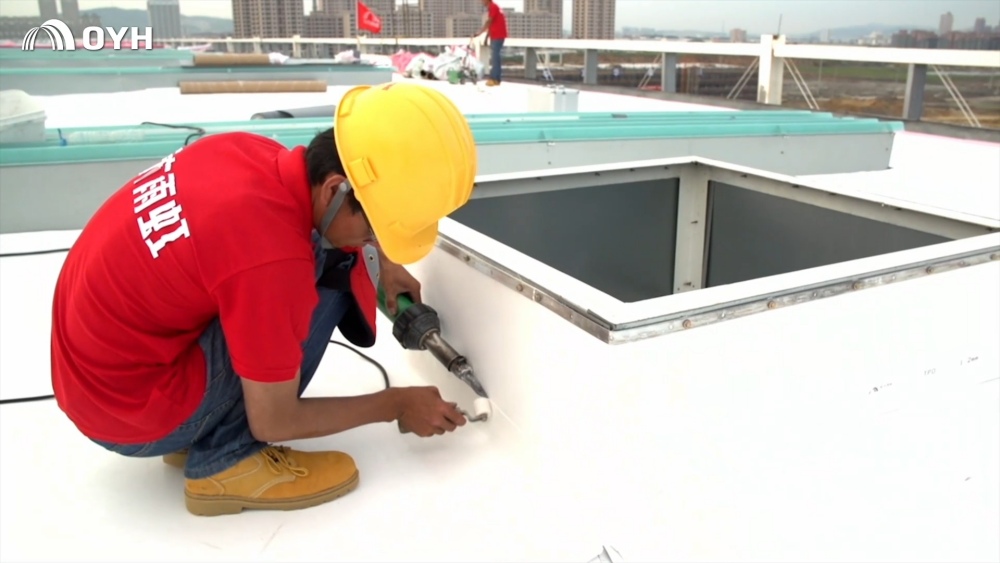
Sheet waterproofing membranes are factory-made materials supplied in rolls and installed onto surfaces. With consistent thickness and relatively high strength, they are often used in large areas such as foundations, underground structures, and roofing systems. Their effectiveness depends largely on correct installation, particularly at overlaps and joints.
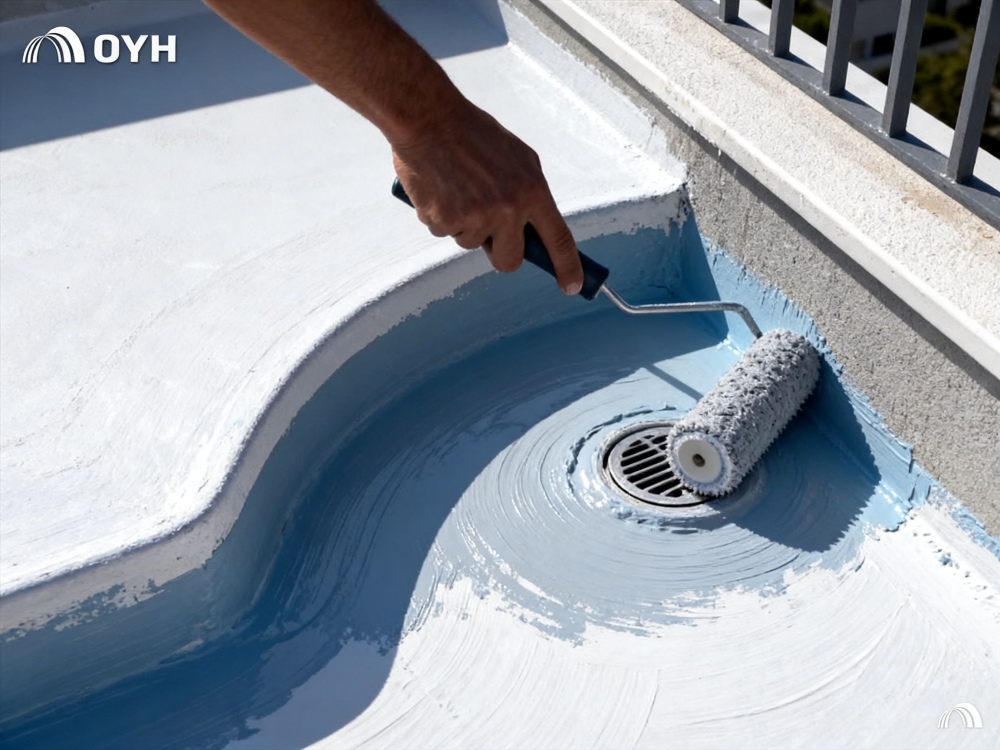
Liquid waterproofing membranes are applied in liquid form and cure into a seamless layer. This makes them suitable for areas with complex shapes, such as bathrooms, balconies, and smaller roof sections. Their flexibility allows them to handle minor structural movement without cracking.
Cementitious waterproofing is commonly used in internal wet areas where conditions are relatively stable. It bonds well to concrete and is simple to apply, making it a practical choice for water tanks, basements, bathrooms, and pools. After curing, it becomes rigid, so it is less suitable for areas subject to movement.
Bituminous waterproofing membranes are asphalt-based systems widely used in roofing and underground applications. They offer strong water resistance and perform reliably in demanding environments, which is why they are often selected for basements, roofs, and bridge-related structures.
How to Choose the Right Waterproofing Membrane
Choosing a membrane is less about comparing products and more about matching the material to the application.
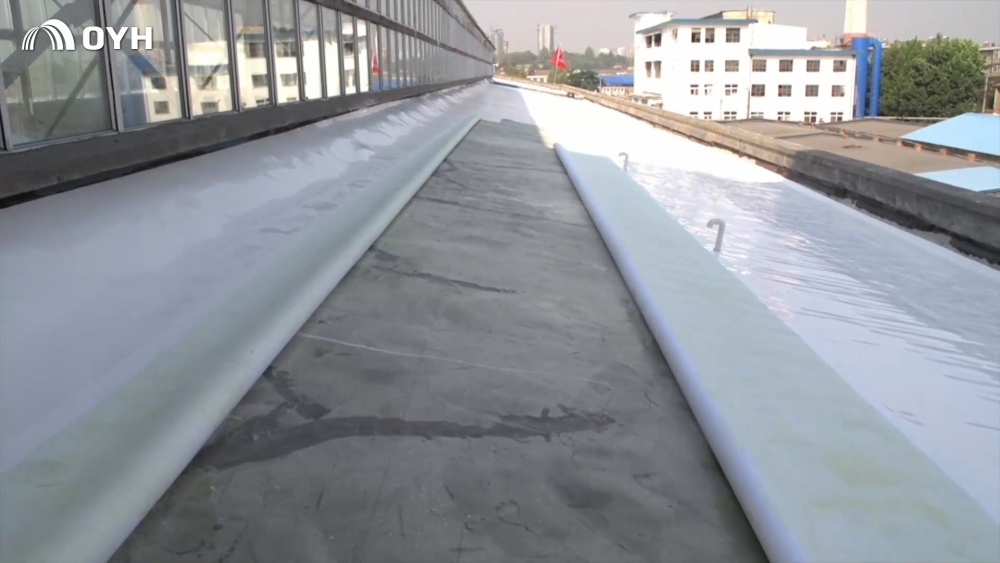
The first consideration is the area of use. Roofs are exposed to sunlight and temperature changes, so materials need to handle UV and thermal movement. Basements must resist continuous water pressure from surrounding soil, while bathrooms benefit from seamless and flexible coatings that can cover corners and joints without gaps.
Climate also affects the choice. Regions with heavy rainfall or snow require higher water resistance, while hot environments demand better heat performance. In milder climates, simpler systems are often sufficient.
Surface condition is another factor. Concrete structures generally work well with cementitious or liquid systems, while irregular surfaces are easier to cover with liquid membranes. Large, flat areas are typically more efficient for sheet systems.
Common Waterproofing Installation Mistakes
In many cases, waterproofing failures are related to application rather than the material itself.
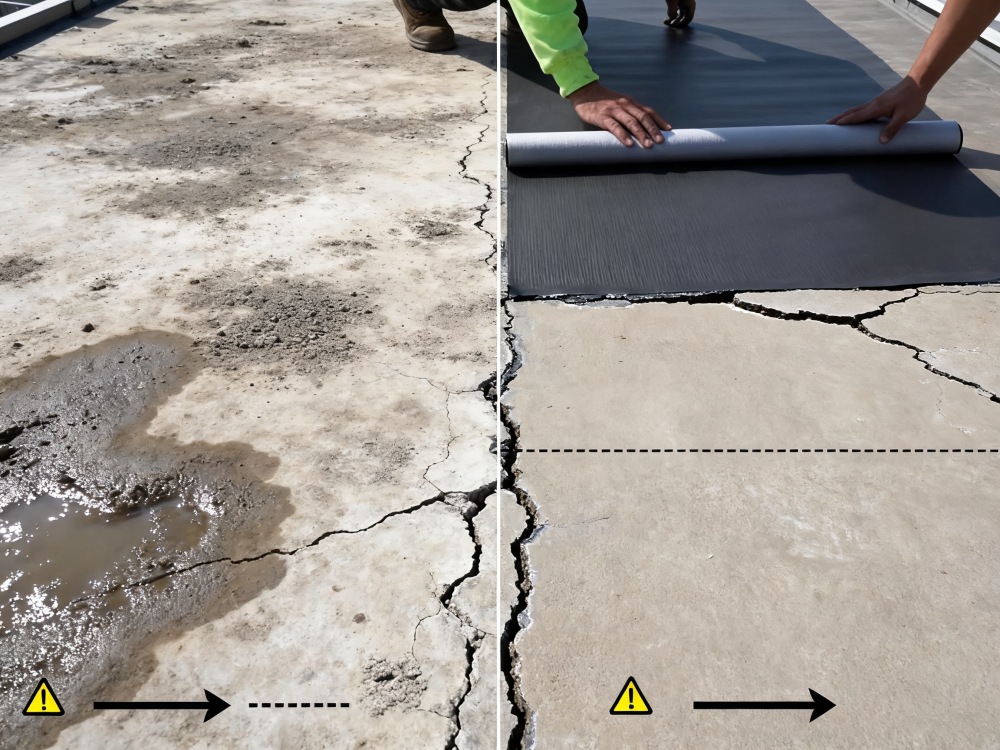
Surface preparation is often overlooked. Dust, moisture, or uneven substrates can prevent proper bonding and create weak points. Weather conditions during application can also affect curing and final performance.
Existing cracks should be repaired before applying any membrane. If not, they may carry through the waterproofing layer and lead to leakage later. In addition, each system has its own application method, and skipping steps can reduce effectiveness.
Why Waterproofing Membrane Choice Matters
Different waterproofing systems are designed for different conditions, and using the wrong type can lead to early failure.
When the material matches the structure and environment, it provides more reliable protection and reduces the need for ongoing repairs. This directly impacts maintenance costs and the overall lifespan of the building.
For contractors and project buyers, working with a supplier that offers consistent quality and technical support can also make a difference in project outcomes. Companies like OYH focus on providing a range of waterproofing solutions suited to different construction needs.
Conclusion
Waterproofing membranes are a key part of modern construction. Sheet, liquid, cementitious, and bituminous systems each serve different purposes depending on where and how they are applied.
A suitable system, combined with proper installation, is what ensures long-term protection against water damage.
0 Comments