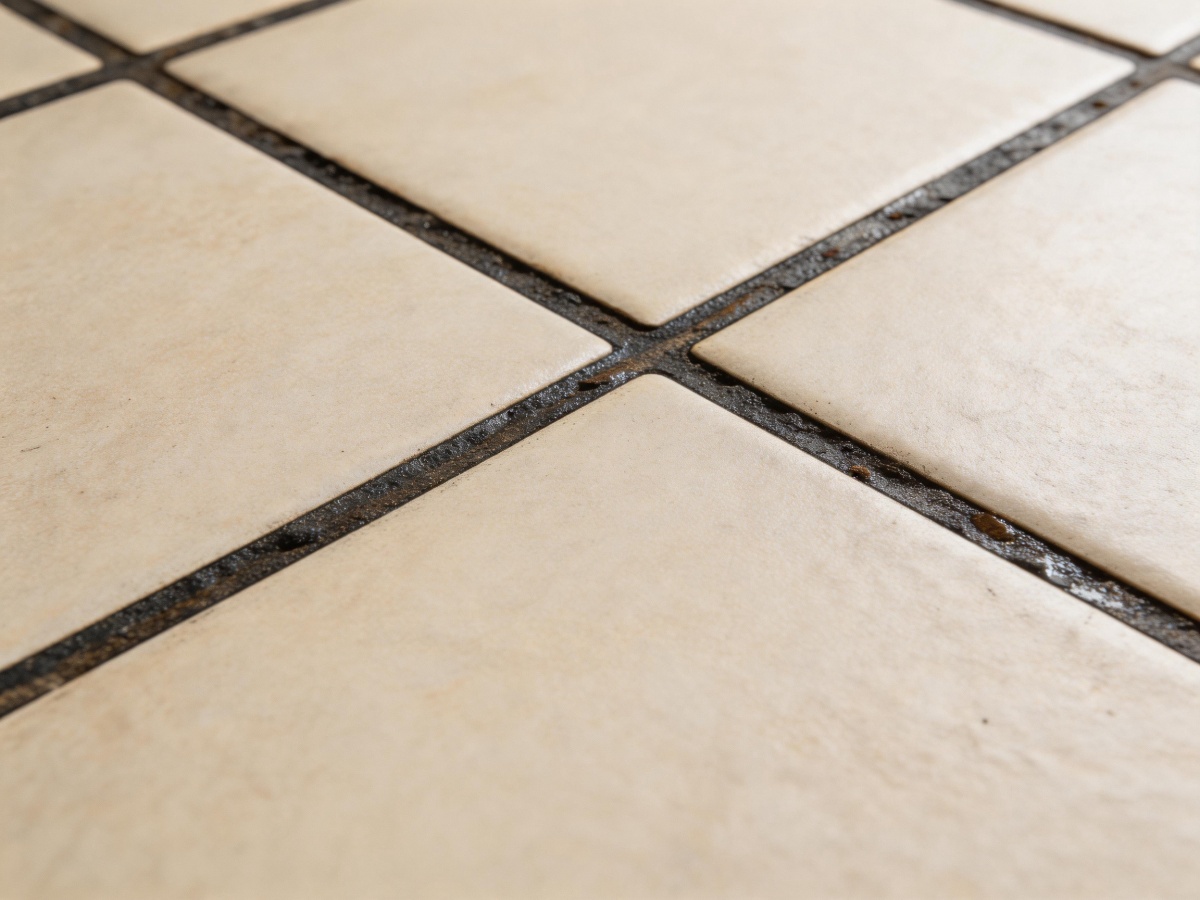
Tile floor grout doesn’t stay clean for long. With daily foot traffic, spills, and constant exposure to moisture, it gradually darkens and starts to look worn—even if the tiles themselves still look fine.
That’s mainly because grout is porous. It absorbs dirt easily, which is why floors can lose their fresh look faster than expected. The good part is, with the right approach, it’s not difficult to clean—and even easier to maintain once you get into the habit.

What Can You Use to Clean Grout on Tile Floors?
For regular cleaning, you don’t need anything complicated.
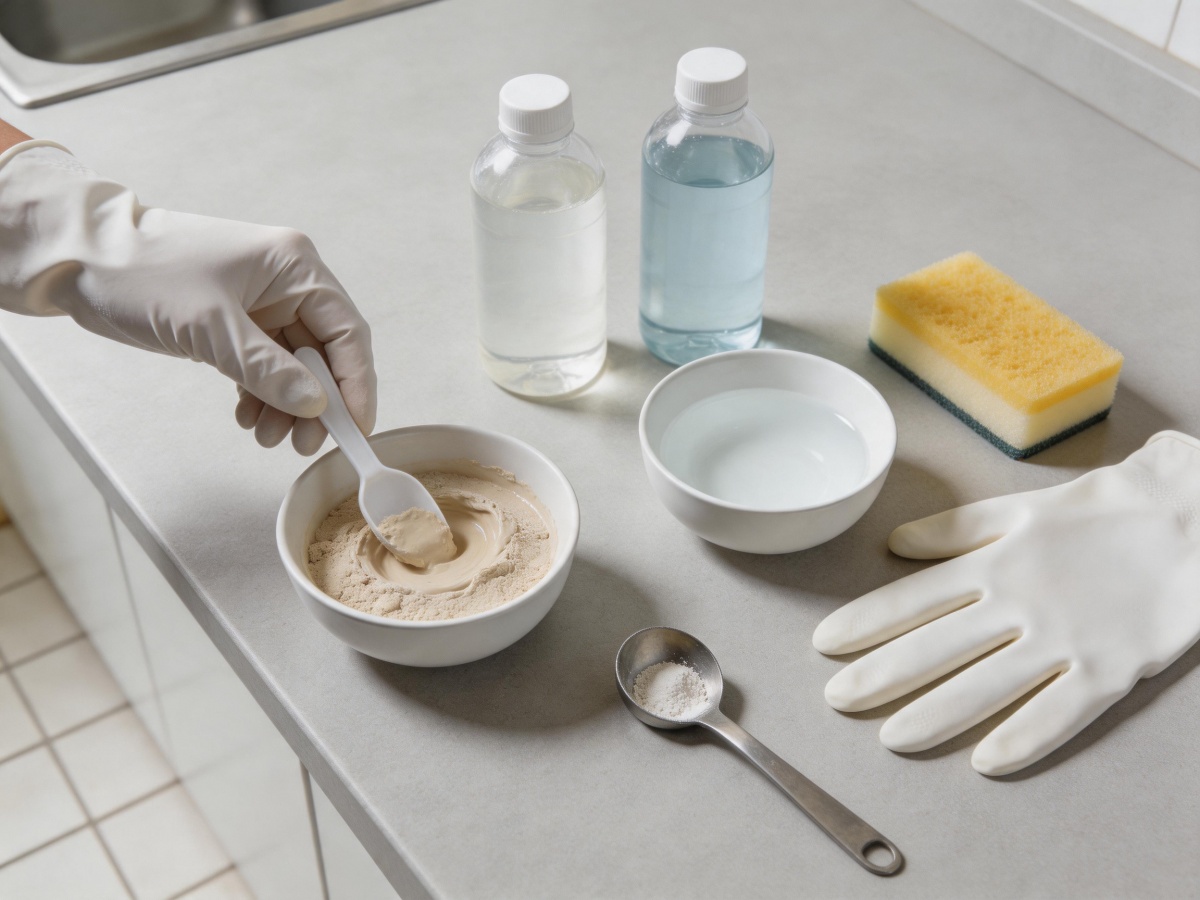
A simple baking soda paste mixed with water works well for most everyday dirt. Apply it along the grout lines, leave it for about 10–15 minutes, then scrub and rinse. If the stains are a bit more stubborn, adding vinegar or switching to hydrogen peroxide can give you a stronger effect.
What Tools Actually Make the Job Easier?
Cleaning grout by hand can be tiring, especially on larger floors, so the tools you use really matter.
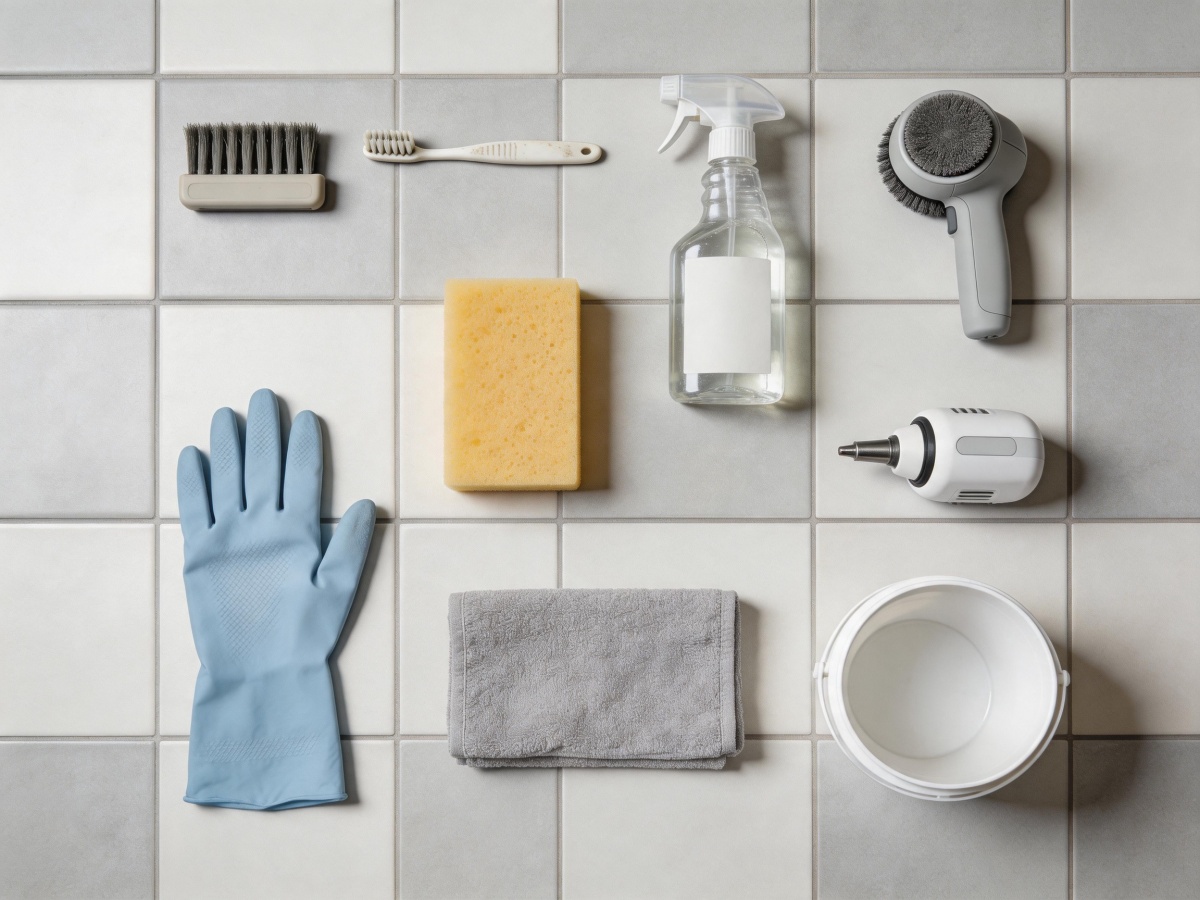
A stiff-bristled brush is usually the most effective for grout lines. For tighter areas or corners, an old toothbrush does the job surprisingly well. Spray bottles help distribute cleaning solutions evenly, while electric scrubbers or steam cleaners can speed things up if you’re working on a bigger area.
Using the right tools isn’t just about convenience—it also helps avoid putting too much pressure on the grout itself.
How Do You Deep Clean Floor Grout Properly?
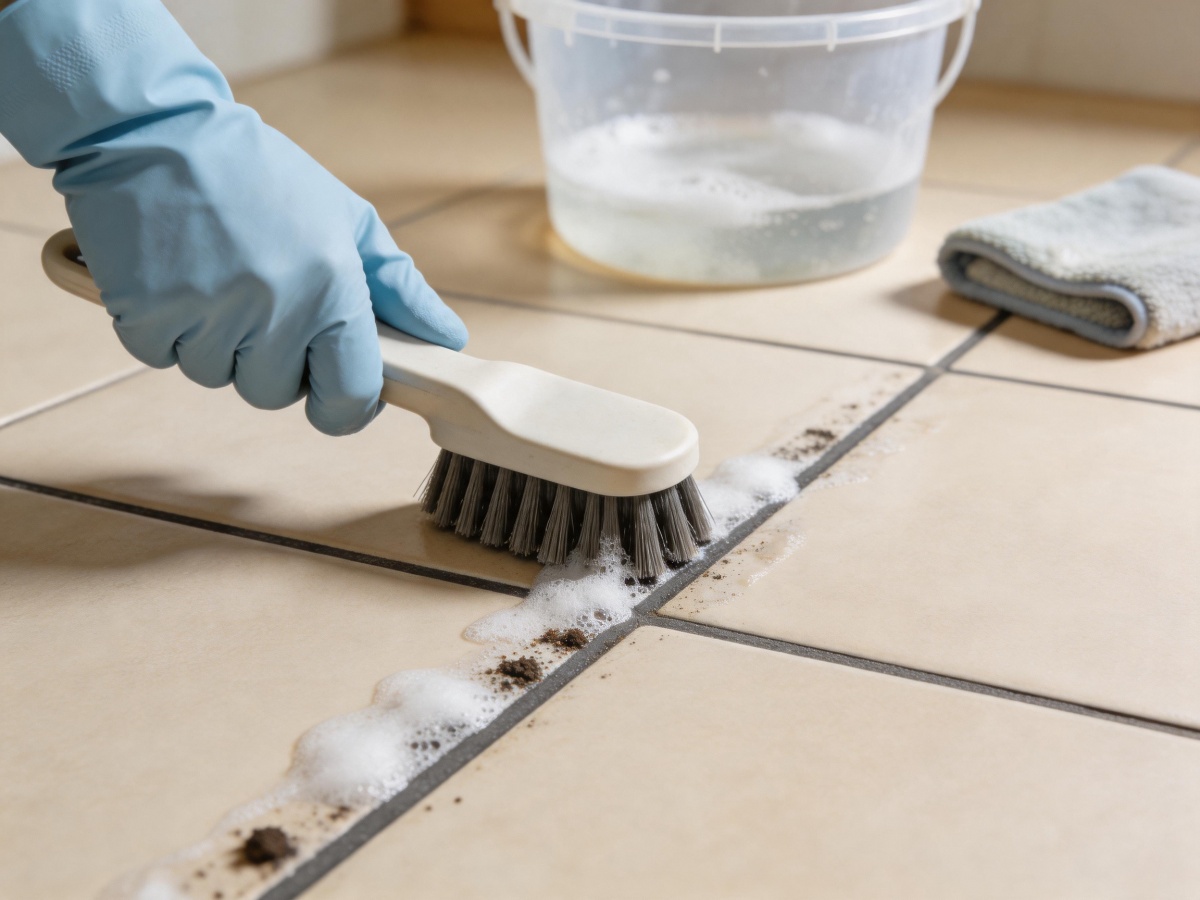
One common mistake is scrubbing too early. It’s more effective to apply the cleaner first and give it time to break down the dirt inside the grout. After that, scrub along the lines and rinse thoroughly.
For heavily stained areas, you may need to repeat the process. It’s not about doing it faster—letting the cleaner work is what actually makes the difference.
Why Does Grout Get Dirty So Quickly?
Some level of dirt buildup is unavoidable. Floors go through constant use, and grout naturally absorbs moisture, dust, and debris over time.
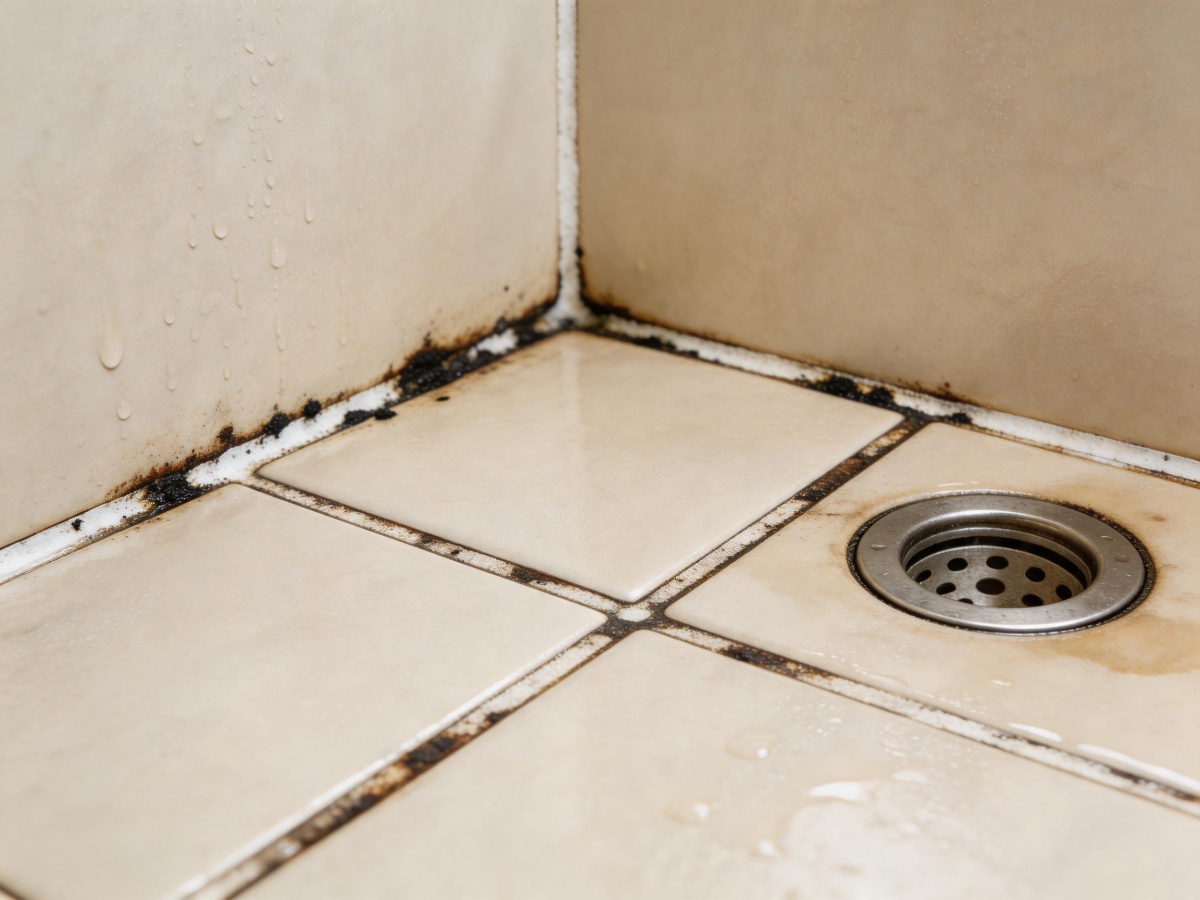
But if it seems to get dirty again almost immediately after cleaning, there may be a deeper issue. Poor sealing or moisture trapped beneath the tiles can cause stains and even mold to come back quickly.
That’s why some floors feel much harder to maintain than others, even with the same cleaning routine.
What Mistakes Should You Avoid When Cleaning Grout?
A few habits can make grout cleaning less effective—or even make things worse over time. Using too much water is one of them. Excess moisture can seep into the grout and lead to mold. Another common issue is expecting instant results—older stains usually need more than one pass.
And then there’s maintenance. Skipping regular cleaning often leads to buildup that’s much harder to remove later.
How Can You Keep Tile Floor Grout Clean Longer?
Keeping grout clean doesn’t require constant deep cleaning—small habits make a big difference.
Cleaning spills quickly, using mats in high-traffic areas, and doing regular light scrubbing can prevent dirt from building up. Applying a grout sealer after deep cleaning also helps reduce future staining. When grout is protected, it stays cleaner for longer and requires less effort to maintain.
When Is Cleaning Not Enough?
Sometimes, no matter how much you clean, the problem keeps coming back.
If you’re dealing with recurring mold, deep stains, or ongoing moisture issues, the root cause may go beyond surface dirt. Installation quality, sealing, and material choice all play a role in how easy a floor is to maintain.
That’s where companies like OYHORDER come in—not by offering cleaning products, but by focusing on tile systems that are built to stay cleaner and last longer over time.


0 Comments