In the field of building waterproofing, pre-applied technology is an innovative method widely adopted in recent years. It is also a key solution to leakage problems in underground engineering. Although this professional term may sound obscure, its core logic is straightforward: simply put, it means laying the waterproof membrane first, then pouring concrete, so that the membrane and concrete bond integrally, eliminating hidden leakage risks at the source. Today, we explain pre-applied technology clearly in plain language.
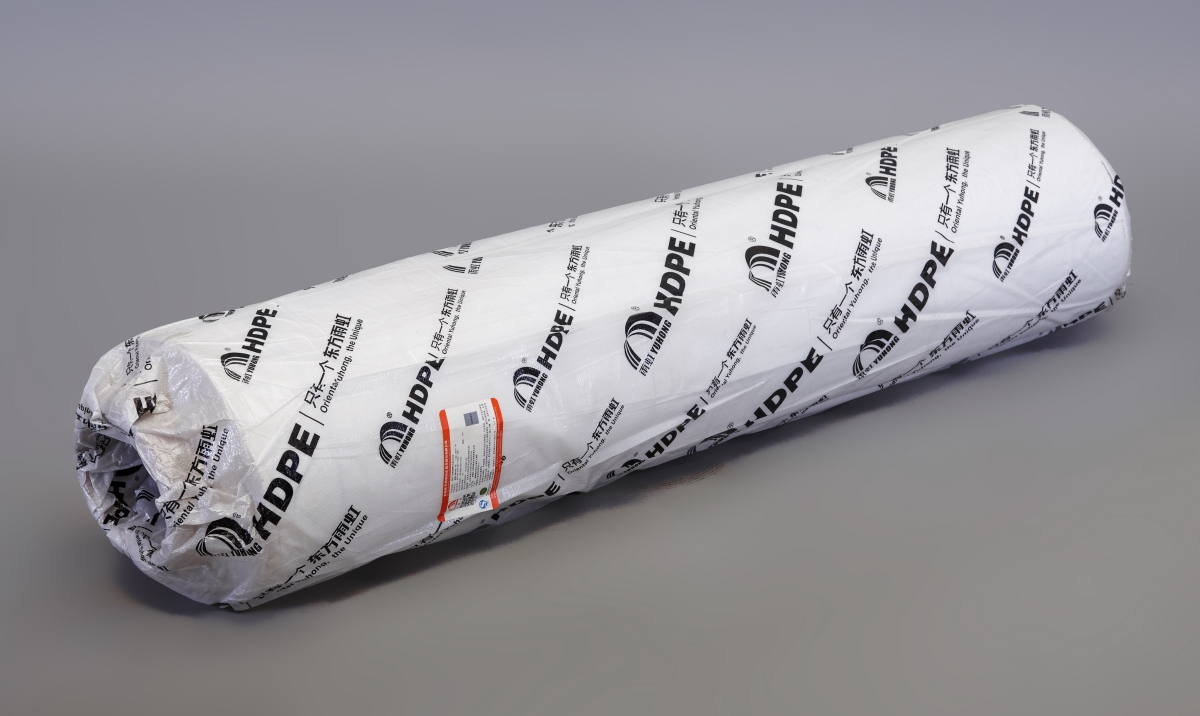
What is Pre-applied technology? (Core Definition)
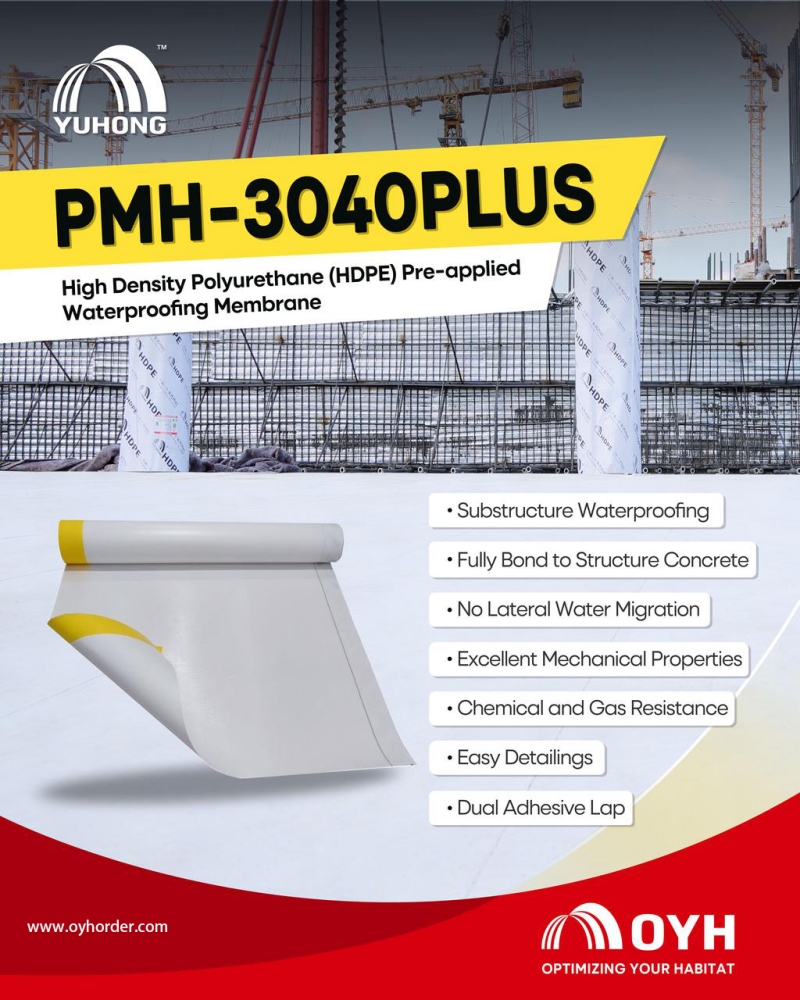
Pre-applied technology is essentially a reverse-construction waterproofing method. Officially defined as: A waterproof membrane with a polymer self-adhesive film layer is loosely laid on the base surface in advance, followed by structural concrete pouring. Under the pressure and chemical reaction during concrete placement, the self-adhesive bonding layer on the upper surface of the membrane tightly adheres to the concrete through compression, forming an integrated waterproof system of the waterproof layer and structural layer.
Two key terms to remember:
• Pre-applied: Different from the traditional sequence of “pour concrete first, attach membrane later”, this technology lays the waterproof membrane in advance to form the waterproof base.
• Reverse bonding: The membrane is not bonded to the base; instead, its adhesive surface faces upward, waiting to be firmly bonded by the subsequently poured concrete. It forms a solid monolith like skin attaching to muscle, avoiding separation between layers.
Supplementary note: Membranes for pre-applied must meet specific self-adhesive performance requirements. Conventional membranes (such as SBS modified bitumen membranes, PVC&EPDM membranes) lack such indicators and are not suitable for this process.
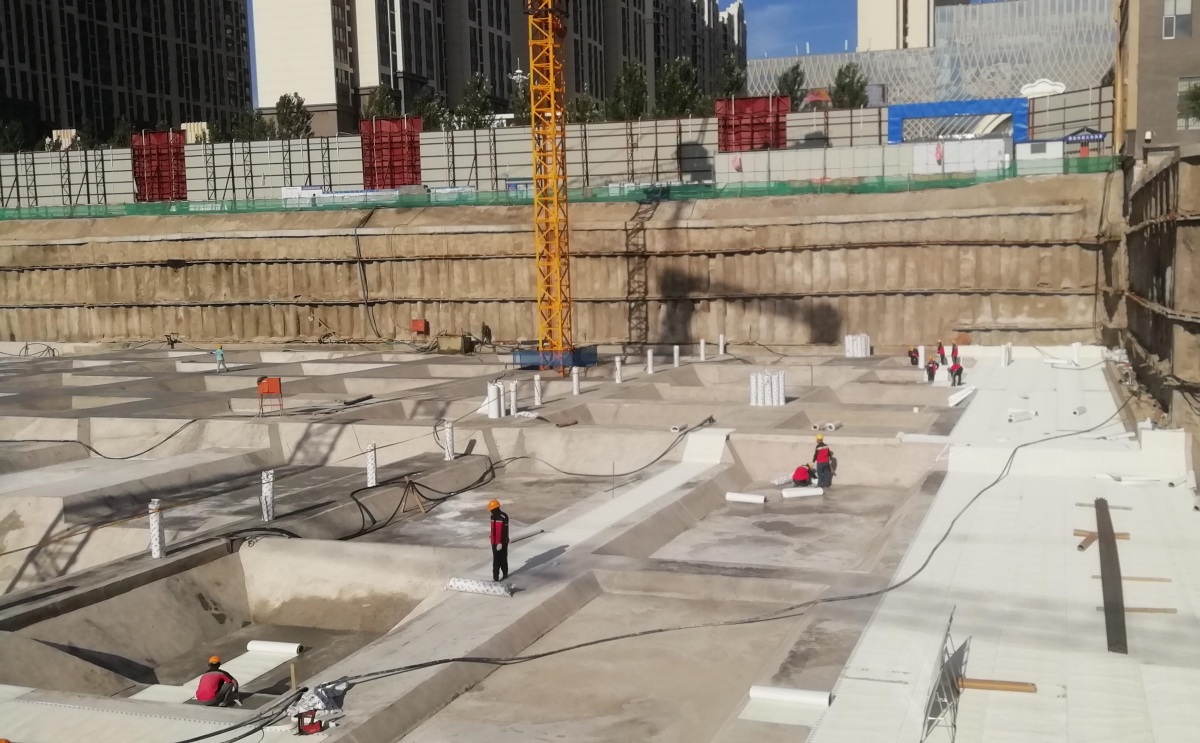
Core Principle: Why Is It Leak-proof?
The waterproofing mechanism of pre-applied membrane lies in integral bonding and elimination of water channeling. It can be understood in two steps:
1. Step 1: Pre-lay the membrane to form a waterproof base. The waterproof membrane is loosely laid on the base (e.g., basement cushion, tunnel initial support). Membranes are connected by lapping to ensure tight sealing, forming a complete waterproof base. The membrane is not strongly bonded to the base but only temporarily fixed to prevent displacement during concrete pouring.
2. Step 2: Pour concrete to achieve reverse bondingAfter laying the membrane, steel bars are tied and structural concrete is poured promptly (e.g., basement slab self-waterproofing, tunnel secondary lining). Once cured, the concrete forms a dual bond with the self-adhesive layer: mechanical interlocking + chemical bonding — like numerous tiny hooks locking the membrane and concrete together, creating a seamless waterproof layer without water channeling gaps.
The critical advantage is the complete elimination of voids between the waterproof layer and structural layer. In traditional waterproofing, the membrane and concrete are separated by a protective layer. If the membrane is damaged, water can channel extensively between layers, making leakage points hard to locate and repair. With pre-applied membrane, even local damage will not cause water channeling; the leakage point is exactly the damage point, making maintenance very convenient.
Core Advantages of Pre-applied membrane (vs. Traditional Technology)
Compared with traditional below-grade waterproofing, pre-applied membrane has become mainstream because it solves multiple pain points with outstanding advantages:
1. Reliable waterproofing, complete elimination of water channeling. This is the core advantage. The waterproof layer fully bonds to the concrete structure with no water channeling paths. Even small membrane damage will not cause leakage unless aligned with structural defects. Engineering statistics show projects using this technology reduce leakage rates by over 90%, greatly improving waterproofing reliability.
2. Convenient construction, low base requirements. Traditional waterproofing requires a dry, solid base to avoid hollowing or debonding. Pre-applied membrane tolerates damp bases (no standing water) after removing accumulated water. It only requires the base to be load-bearing, clean and roughly level, making it especially suitable for construction in rainy seasons and significantly shortening the construction period.
3. Cost-effective with lower overall expenses. According to Technical Code for Waterproofing of Underground Engineering (GB 50108-2008), this method saves costs on protective layers, reduced earth excavation and backfilling, and extensive base primer application. Although the membrane unit price is 20%–30% higher than traditional materials, total life-cycle costs (including labor and maintenance) are lower. For a 10,000 ㎡ basement, total savings can exceed 500,000 RMB.
4. High durability and strong adaptability. Pre-applied membranes feature excellent physical and mechanical properties: high tensile strength, puncture, aging, and chemical corrosion resistance. They effectively resist mechanical damage, chemical erosion, and normal pedestrian traffic in underground works. With good flexibility, the membrane adapts to moderate base settlement and deformation, remaining intact even if the cushion is damaged by uneven foundation settlement.
Standardized Construction Process (Simplified Version)
The construction process is simple and standardized in 5 steps, according to PMH 3040/3040PLUS and PMH3080/3080 PLUS method of statement:
1. Base cleaning. Remove construction waste and sharp debris with shovels and brooms, repair obvious holes. Internal and external corners are rounded to avoid puncturing the membrane. Remove standing water if present; no need to wait for full drying.
2. Detail treatment. Reinforce high-leakage-risk parts such as internal/external corners, post-cast strips, deformation joints, and pile caps, as these are weak points requiring key protection.
3. Laying the membrane. Loosely lay the membrane along reference lines without excessive stretching, ensuring alignment. The self-adhesive surface must face upward; adjust position timely to avoid lapping errors.
4. Membrane lapping and sealing. Ensure tight and firm lapping on both long and short edges, with lap width complying with specifications or design requirements.
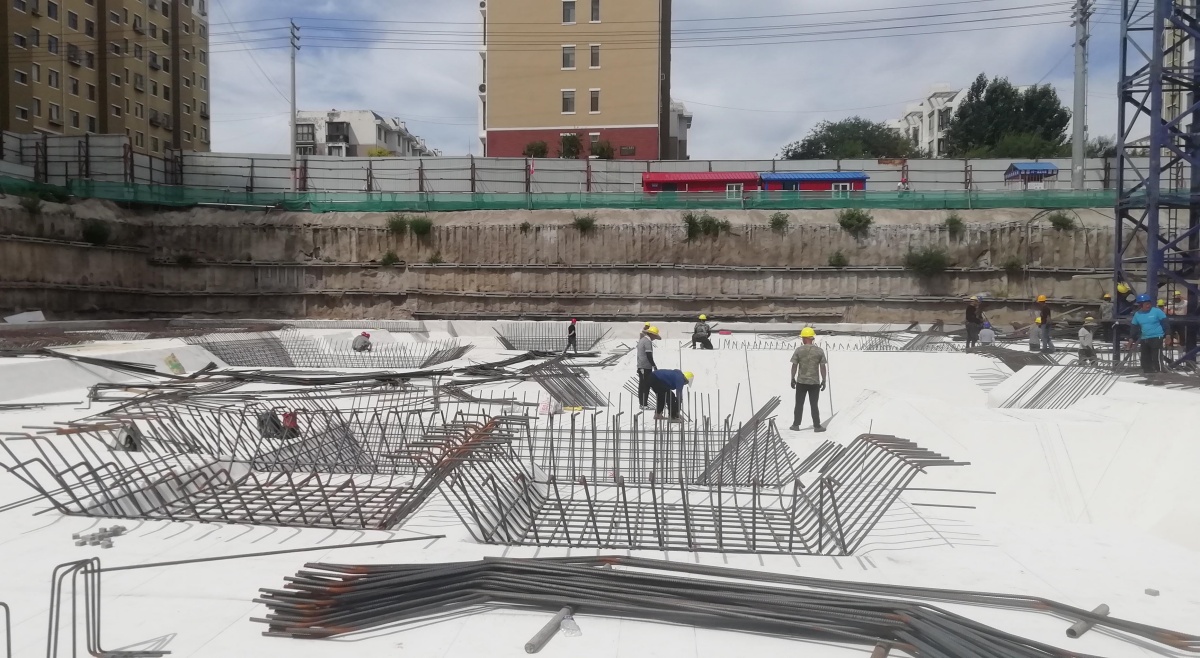
5. Steel bar tying and concrete pouring. After acceptance, directly carry out line setting and steel bar tying with proper finished product protection. Repair any damage promptly before concrete pouring.
Typical Application Scenarios
Due to its superior waterproof performance and construction benefits, pre-applied self-adhesive technology is mainly used in underground projects with high waterproof demands and complex environments:
• Basement engineering: Mainly basement slabs and side walls with internal waterproofing, effectively resisting groundwater pressure and solving basement leakage.
• Municipal infrastructure: Urban underground utility tunnels (100-year design life with high durability requirements), subways, highway tunnels, solving the industry problem of “nine out of ten tunnels leak”.
• Special underground works: Projects without backfill gaps between basement exterior walls and foundation support piles, solving problems such as membrane hollowing, narrow construction space, and damp bases.
Clarification of Common Misunderstandings
Three widespread misunderstandings about pre-applied membrane are corrected below:
• Myth 1: Any membrane can be used for pre-applied membrane.— Fact: Only dedicated pre-applied waterproof membranes are applicable. Conventional membranes cannot form effective bonding with concrete, leading to waterproofing failure.
• Myth 2: A protective layer is required for pre-applied membrane.— Fact: No protective layer is needed. By specification, the membrane can directly serve as a working surface for subsequent procedures without additional mortar or concrete protection, saving steps and costs. Close bonding with structural self-waterproofing concrete is essential to eliminate water channeling.
• Myth 3: Construction cannot proceed on a damp base.— Fact: Construction is allowed. The system is loosely laid on the base with low moisture content requirements. Work can proceed after removing standing water, a major advantage over traditional fully-bonded waterproofing that requires a dry base.
Conclusion
Pre-applied technology integrates the waterproof layer with the building structure. Through the innovative concept of “pre-applied membrane, reverse bonding”, it fundamentally solves the traditional pain points of water channeling, easy damage, and difficult maintenance. It features reliable waterproofing, convenient construction, environmental protection, energy saving, and high cost performance.
With raising the design working life of building waterproofing to structural life, the advantages of pre-applied membrane will become even more prominent. It will be the preferred solution for underground engineering waterproofing, providing reliable protection for century-old projects and driving the waterproofing industry toward higher efficiency, environmental friendliness, and reliability.
0 Comments