Introduction
In construction and building protection, two terms are often confused: waterproofing and damp proofing.
While they may sound similar, they serve very different purposes. Choosing the wrong solution can lead to:
• water leakage
• mold growth
• structural damage
• costly repairs
In this guide, we will clearly explain the difference between waterproofing and damp proofing — and help you choose the right solution for your project.
What Is Damp Proofing?
Damp proofing is designed to resist moisture penetration, typically in the form of:
• ground moisture
• humidity
• capillary water (water that moves through porous materials like brick or mortar)
👉 Here’s the critical point: damp proofing cannot resist water under pressure. If you’re dealing with standing water or groundwater pushing against a structure, damp proofing won’t be enough.
Key Characteristics of Damp Proofing
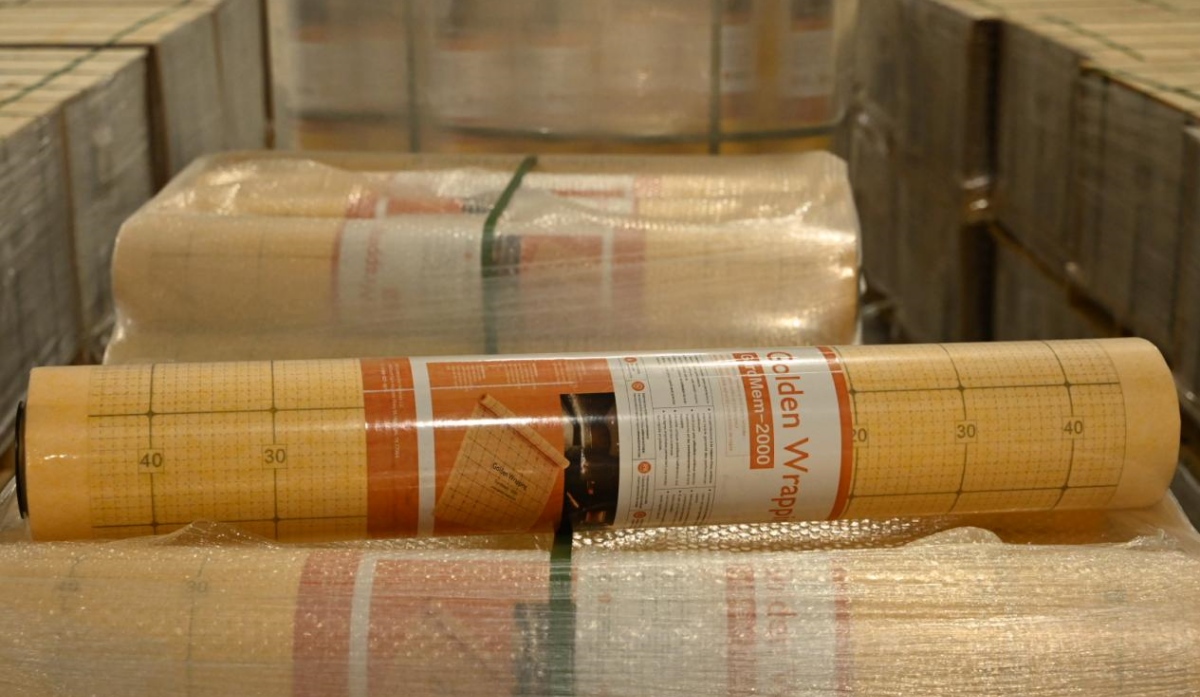
• applied as a thin coating or membrane
• resists moisture but not hydrostatic pressure
• used in low-risk environments
• cost-effective solution
Typical Applications
• interior walls
• floors above ground
• residential buildings with low water exposure
What Is Waterproofing?
Waterproofing is the heavy-duty solution for keeping water out. Unlike damp proofing, it is designed to completely block water penetration, even under pressure. This is the solution you need for areas where water is a constant threat.
It protects structures from:
• groundwater
• rainwater
• water tanks
• underground water pressure
Key Characteristics of Waterproofing
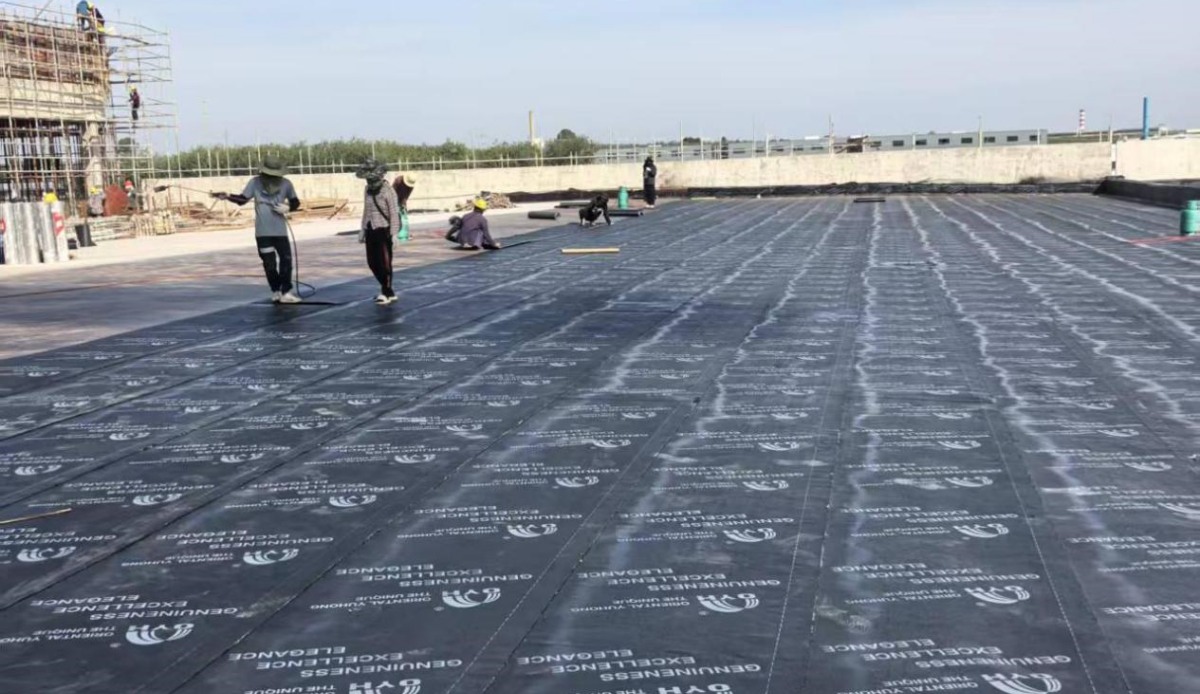
• forms a continuous, impermeable barrier
• resists hydrostatic pressure
• suitable for critical structures
• long-term durability
Typical Applications
• basements
• tunnels
• roofs
• swimming pools
• water tanks
Waterproofing vs Damp Proofing: Key Differences
To make it easier to see the contrast, here’s a side-by-side comparison of the two:
| Property | Damp Proofing | Waterproofing |
| Water Resistance | Moisture only | Full water resistance |
| Pressure Resistance | No | Yes |
| Application Thickness | Thin | Thicker / multi-layer |
| Durability | Moderate | High |
| Cost | Lower | Higher |
| Application Areas | Low-risk areas | High-risk areas |
Why This Difference Matters
Choosing the wrong solution can lead to big problems. For example:
• If you use damp proofing in a basement with high groundwater pressure, you’ll likely end up with water leaking through the walls, which can cause mold growth and structural damage.
• Ignoring hydrostatic pressure is one of the most common mistakes homeowners make, and it can lead to repeated maintenance costs as you try to fix the same issues over and over.
👉 The bottom line: In critical areas, waterproofing is always required.
OYH Waterproofing & Damp Proofing Solutions
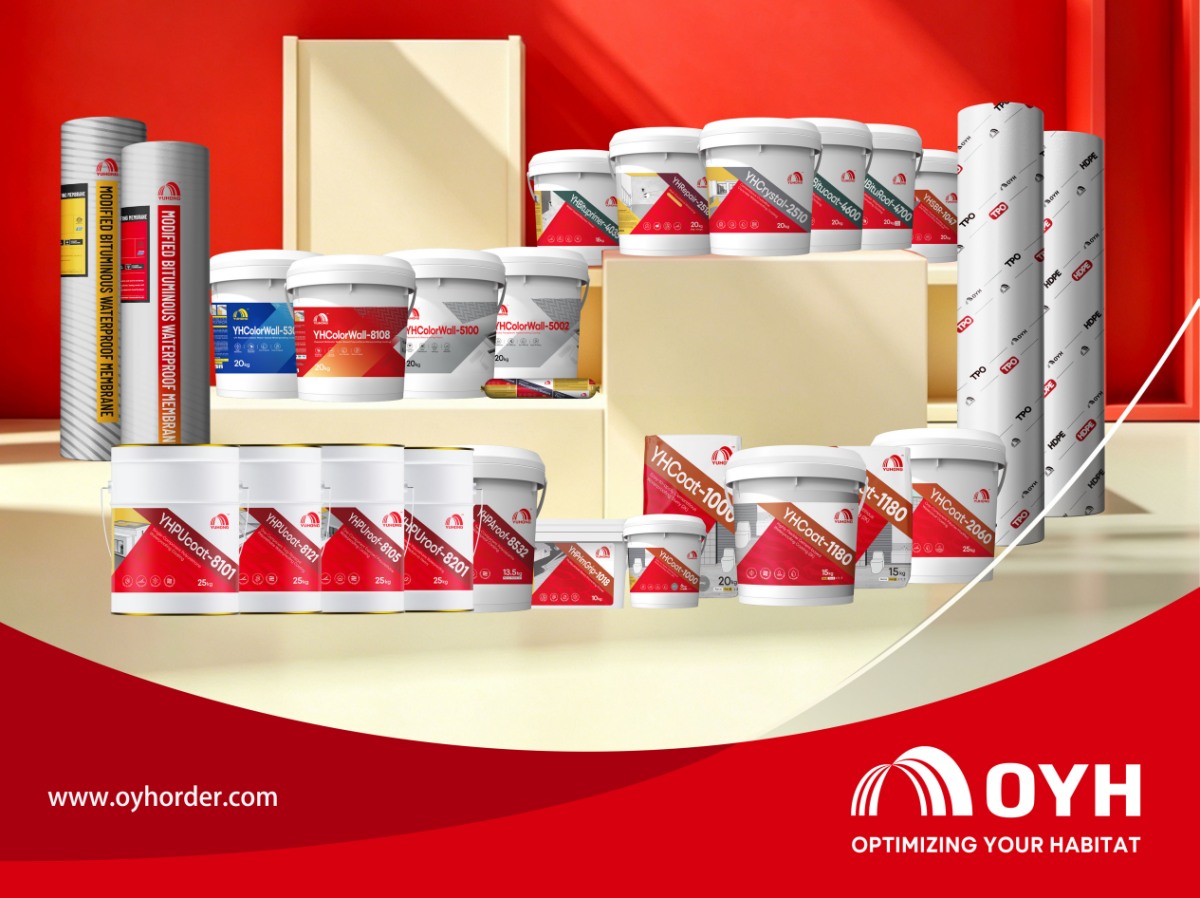
At OYH, we understand that every project is different. That’s why we offer a full range of products for both damp proofing and waterproofing, so you can choose the right system for your specific needs.
🔷 Damp Proofing Solutions
For low-moisture environments, OYH offers:
✔ Cementitious Coatings (e.g., YHCoat Series)
• easy application
• good adhesion to concrete
• suitable for wet rooms and interior areas
✔ Polymer-Based Coatings
• water-based
• low VOC
• cost-effective moisture protection
👉 Ideal for:
• interior walls
• kitchens and bathrooms
• above-ground structures
Waterproofing Solutions
For high-performance waterproofing, OYH provides:
✔ Self-Adhesive Membranes (YHStick Series)
• strong adhesion
• no torch required
• excellent waterproof performance
👉 Ideal for:
• basements
• underground structures
✔ HDPE pre-applied Membranes(PMH Series)
• full bond to structural concrete
• durable
• 70m hydrostatic
👉 Ideal for:
• Below-grade waterproofing
✔ Liquid Waterproof Coatings(YHPUcoat Series)
• seamless application
• suitable for complex areas
👉 Ideal for:
• renovation projects
• metal roofs
How to Choose the Right Solution
Now that you understand the differences, here’s how to decide which solution is right for your project:
Choose Damp Proofing when:
• no water pressure exists
• only moisture protection is needed
• cost is a key factor
Choose Waterproofing when:
• water pressure is present
• underground or exposed structures
• long-term durability is required
Best Practice:
👉 In many projects, both systems are used together:
• damp proofing for general areas
• waterproofing for critical zones
Common Mistakes to Avoid
❌ Using damp proofing in basements: This is one of the biggest mistakes you can make. Basements are almost always subject to hydrostatic pressure, so only waterproofing will keep them dry.
❌ ignoring hydrostatic pressure: Just because you can’t see the water doesn’t mean it’s not there. Always get a professional assessment of groundwater levels before choosing a solution.
❌ poor detailing at joints: Even the best waterproofing system will fail if joints, seams, or penetrations (like pipes) aren’t properly sealed.
❌ choosing materials based only on price: While damp proofing is cheaper, it’s not a good investment if it means you’ll have to repair water damage later.
Final Thoughts
Understanding the difference between waterproofing and damp proofing is essential for any construction or renovation project. By choosing the right solution for each area, you’ll ensure that your building stays dry, durable, and free from costly water damage.
Remember:
• Damp proofing controls moisture in low-risk areas
• Waterproofing prevents water penetration in high-risk areas
👉 Choosing the right solution ensures:
• long-term performance
• reduced maintenance
• better protection
0 Comments