Tile installation is not complete without proper grouting. While tiles provide the surface finish, grout plays a critical role in sealing joints, preventing water penetration, and ensuring durability.
Improper grouting can lead to a host of issues down the line:
• cracks and gaps
• water infiltration
• mold growth
• tile loosening
That’s why taking the time to understand the grouting process and doing it right the first time is so important. In this guide, we will walk you through how to grout tile properly, and how to choose the right grout for long-lasting performance.
What Is Tile Grout?
Tile grout is a cement-based or polymer-modified material used to fill the joints between tiles. But grout does more than just seal joints—its main functions include:
• sealing joints
• preventing water penetration
• improving structural stability
• enhancing appearance
Types of Tile Grout
Choosing the right grout is the first and most important step in ensuring a successful grouting project. With so many different types of grout available on the market, it can be overwhelming to know which one is best suited for your specific needs. The key is to consider the location of the tiled surface, the level of moisture it will be exposed to, and your personal aesthetic preferences.
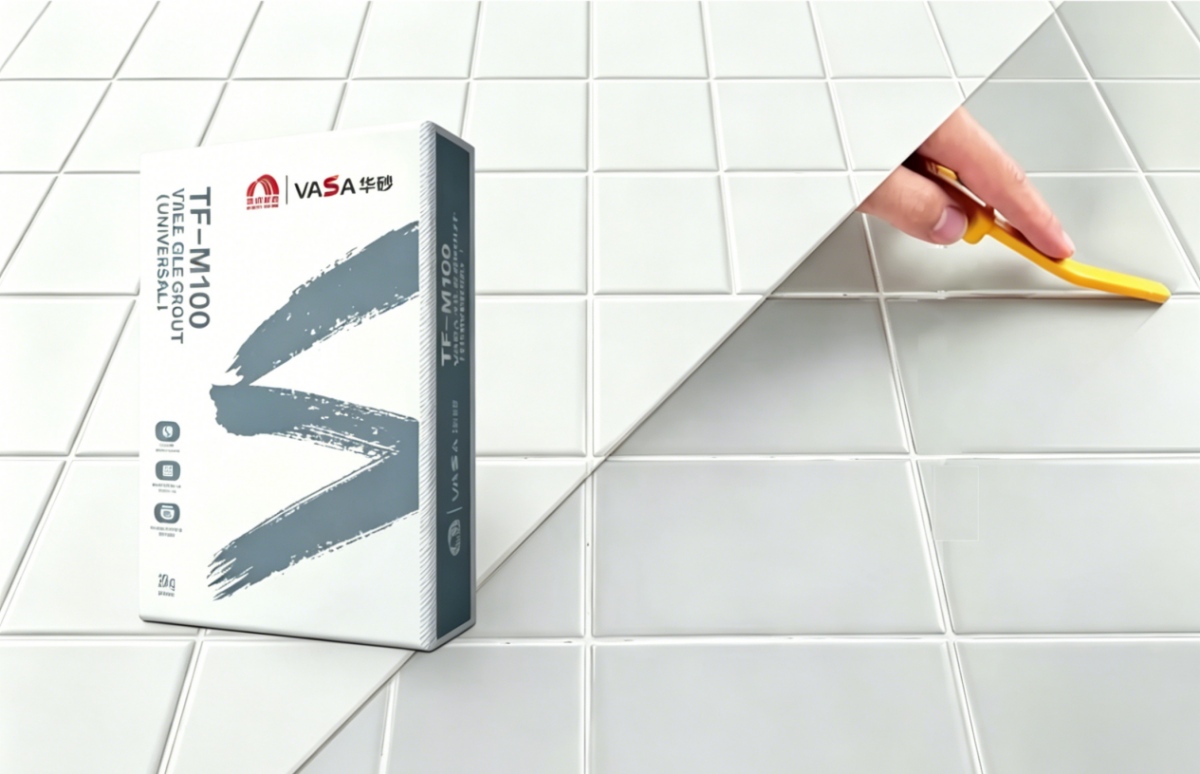
Standard Tile Grout
Standard tile grout is the most common type of grout used in residential and commercial applications. It is suitable for:
• indoor applications
• dry or low-moisture environments
✔ good adhesion
✔ crack resistance
✔ eco-friendly
👉 Example: OYH TF-M100 Standard Tile Grout
• meets JC/T 1004-2017 CG1 standard
Waterproof Tile Grout
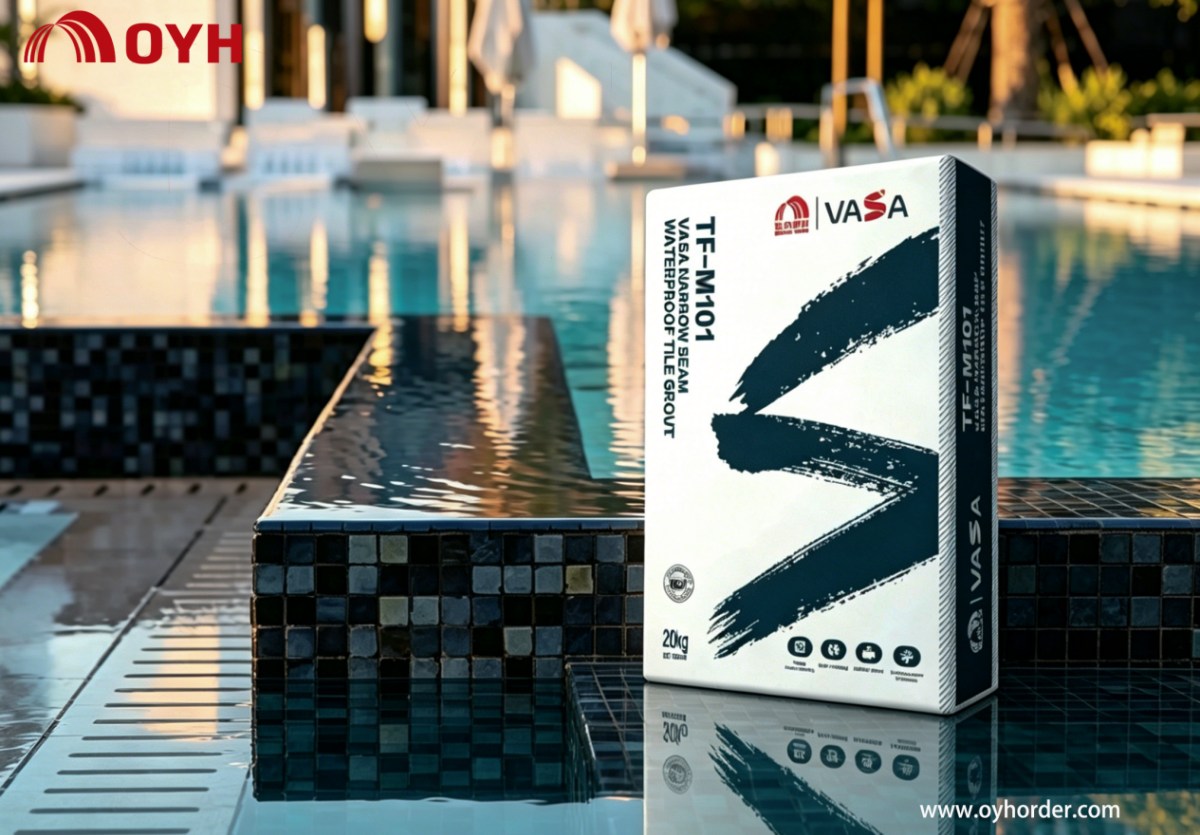
Unlike standard grout, which is porous and can absorb water over time, waterproof grout is formulated with special additives that create a dense, non-porous barrier that repels water and prevents it from seeping into the joints. It is designed for:
• wet areas
• high humidity environments
✔ improved water resistance
✔ anti-mold performance
✔ enhanced durability
👉 Example: OYH TF-M101 Waterproof Tile Grout/ TF-M102 Waterproof Tile Grout
• meets CG2WA high-performance standard
Tools You Will Need
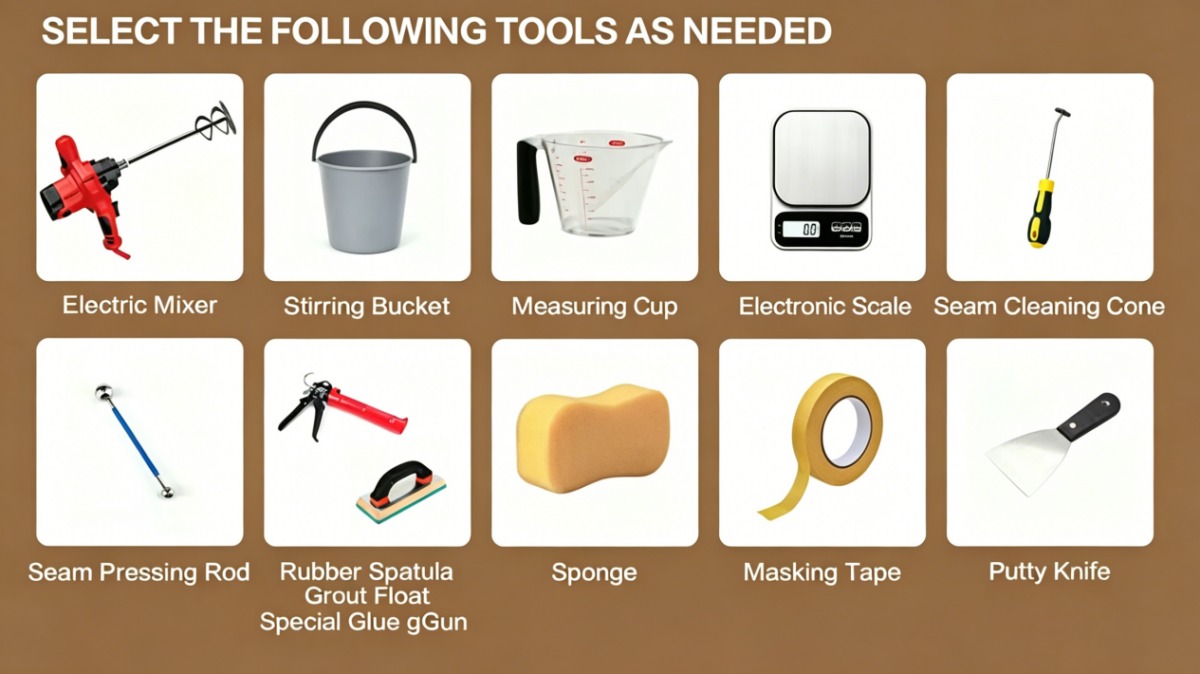
Before starting, it’s important to gather all the necessary tools and materials to ensure a smooth and efficient process. Using the right tools not only makes the job easier but also helps you achieve a professional-looking finish. Here’s a list of the essential tools you’ll need to have on hand:
• mixing bucket
• electric mixer
• rubber grout float
• trowel
• sponge
• measuring cup
👉 Proper tools ensure better application quality.
Step-by-Step Guide: How to Grout Tile
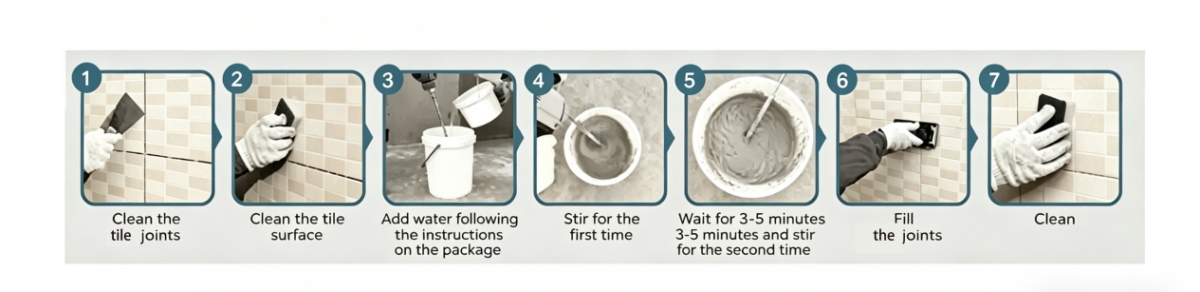
Step 1: Surface Preparation
• clean tile joints thoroughly
• remove dust, debris, and adhesive residues
• check tile surface absorption
👉 For porous tiles, apply surface protection to avoid staining.
Step 2: Mixing the Grout
• add water into the mixing bucket first
• gradually add grout powder
• mix until smooth and lump-free
• let it rest for 3–5 minutes, then remix
👉 Use within 1 hour after mixing
Step 3: Apply the Grout
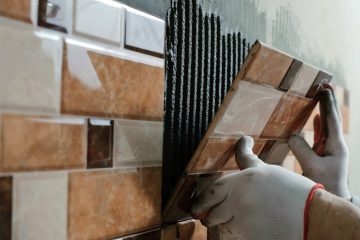
• use a rubber float to press grout into joints
• ensure joints are completely filled
• apply diagonally across tiles
👉 Remove excess grout from the surface.
Step 4: Initial Cleaning
• wait until grout starts to set (surface dry)
• clean tiles with a damp sponge in circular motion
Step 5: Final Cleaning
• perform a second cleaning after 24 hours
• remove any haze or residue
Key Application Tips (Professional Level)
✔ Control Joint Width
• suitable for 1–4 mm joints
✔ Temperature Matters
• apply between 5°C – 35°C
• avoid extreme weather conditions
✔ Do Not Reuse Hardened Grout
• never add water to hardened material
✔ Protect Porous Tiles
• prevents staining during application
Why Waterproof Grout Matters
In wet environments such as:
• bathrooms
• kitchens
• balconies
standard grout may absorb water and degrade over time.
👉 Waterproof grout offers:
• lower water absorption
• better anti-mold performance
• longer service life
OYH Tile Grout Solutions
OYH provides high-performance tile grouts for different applications:
🔷 TF-M100 Standard Grout
✔ cost-effective
✔ strong adhesion
✔ suitable for indoor use
🔷 TF-M101 Waterproof Grout/ TF-M102 Waterproof Grout
✔ excellent anti-seepage performance
✔ mold-resistant
✔ ideal for humid environments
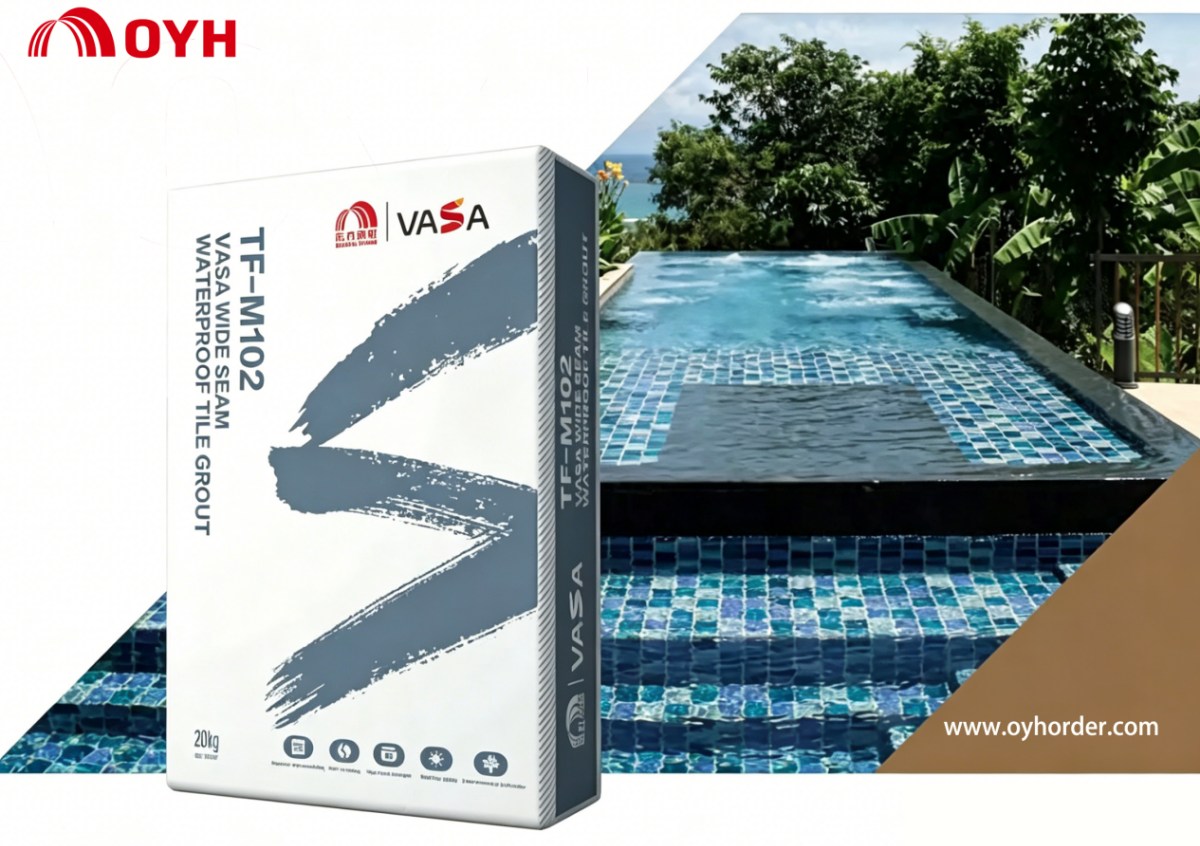
Key Performance Highlights:
• high compressive strength (≥15 MPa)
• low shrinkage
• good wear resistance
• customizable colors
Common Mistakes to Avoid
❌ not cleaning joints before grouting
❌ incorrect water ratio
❌ incomplete filling of joints
❌ skipping final cleaning
❌ using non-waterproof grout in wet areas
Final Thoughts
Grouting is more than just filling gaps — it is essential for waterproofing performance, durability and aesthetics. Choosing the right grout and applying it correctly ensures long-lasting results.

0 Comments