Shower areas are constantly exposed to water and humidity, which means the grout between tiles must be highly water-resistant and durable.
The wrong choice of grout can lead to mold growth, staining, cracking, and long-term water damage behind the tiles. That is why selecting the right type of grout is critical for any shower installation.
What Is the Best Grout for Shower Tile?
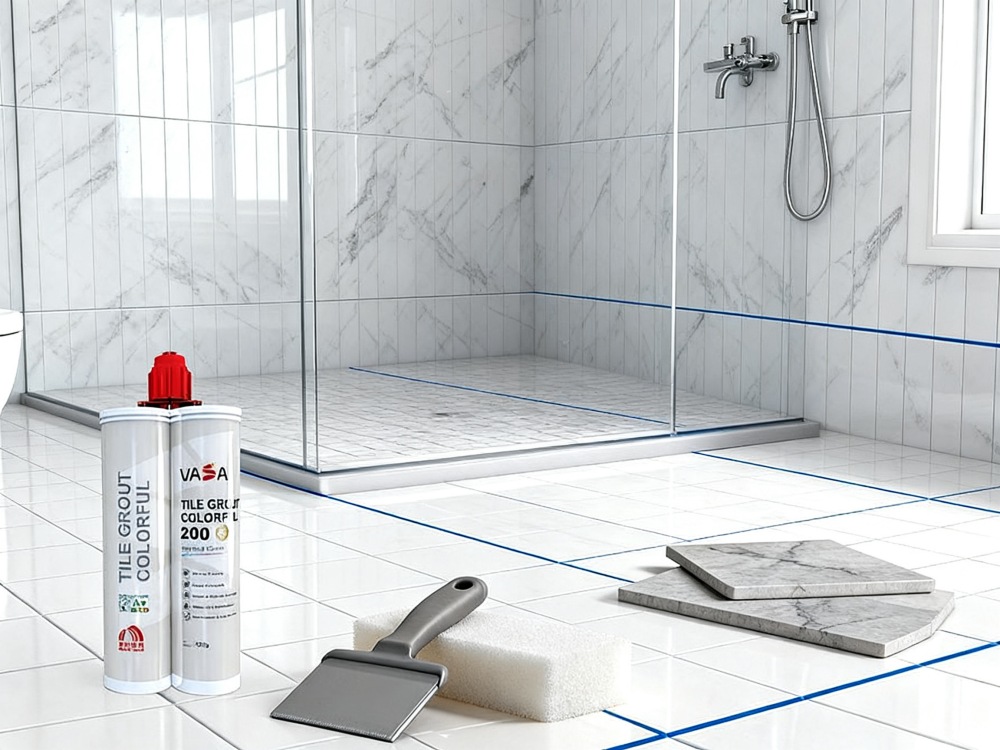
For most shower tile installations, epoxy grout is the best option.
Epoxy grout is made from a resin and hardener system, which creates a dense, non-porous structure. Unlike cement-based grout, it does not absorb water, making it highly resistant to moisture, stains, and mold.
It is commonly used in: shower walls and floors, wet rooms, high-moisture bathroom areas
Cement-based grout can also be used, but it generally requires sealing and more maintenance over time.
Why Epoxy Grout Is Ideal for Showers
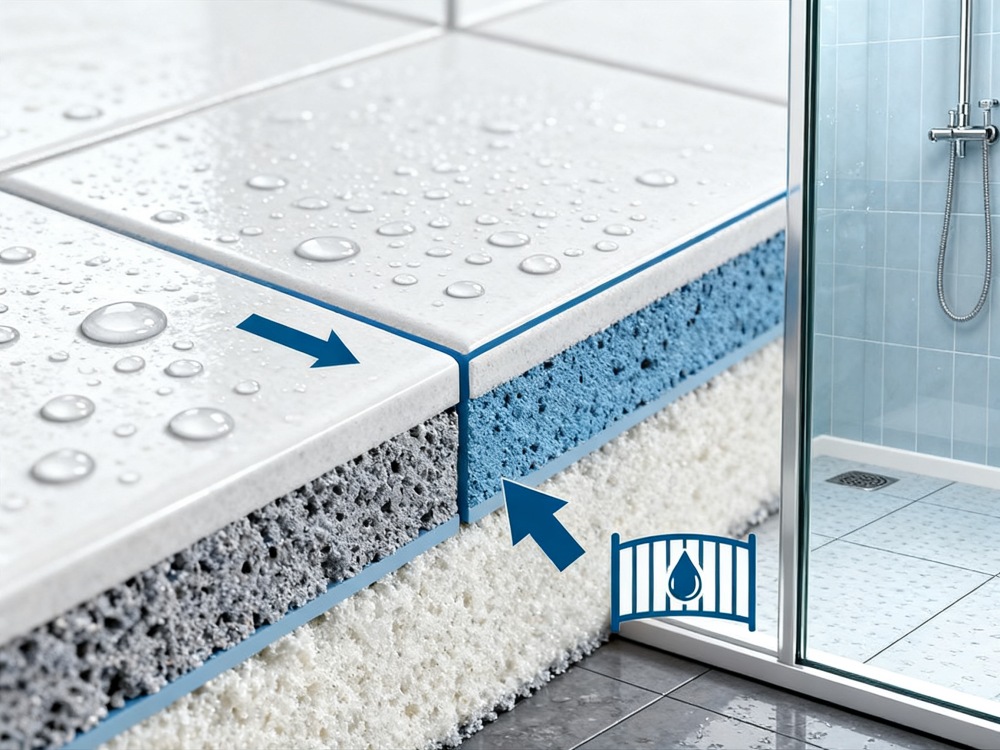
Epoxy grout performs well in shower environments because it prevents water penetration into tile joints.
This reduces the risk of mold and mildew, which are common problems in constantly wet areas. It also maintains its color and structure even after long-term exposure to cleaning chemicals and humidity.
Although epoxy grout is more difficult to apply than standard grout, it offers significantly better long-term performance and lower maintenance.
How to Choose the Right Shower Tile Grout
Choosing grout for shower tiles depends mainly on water exposure, joint size, and maintenance expectations.
For full wet zones such as shower enclosures, epoxy grout is the most reliable choice due to its waterproof performance.
For less exposed areas, cement-based grout with additives can be used, but it should always be properly sealed to reduce water absorption.
Joint width also matters. Narrow joints typically require smoother grout, while wider joints need stronger filling materials to maintain stability.
For contractors and installers, product consistency and application support are also important. Suppliers like OYH provide grout solutions designed for wet-area applications with stable performance and installation guidance.
Common Shower Grout Problems and How to Avoid Them
Most grout failures in showers are caused by incorrect material selection or poor installation.
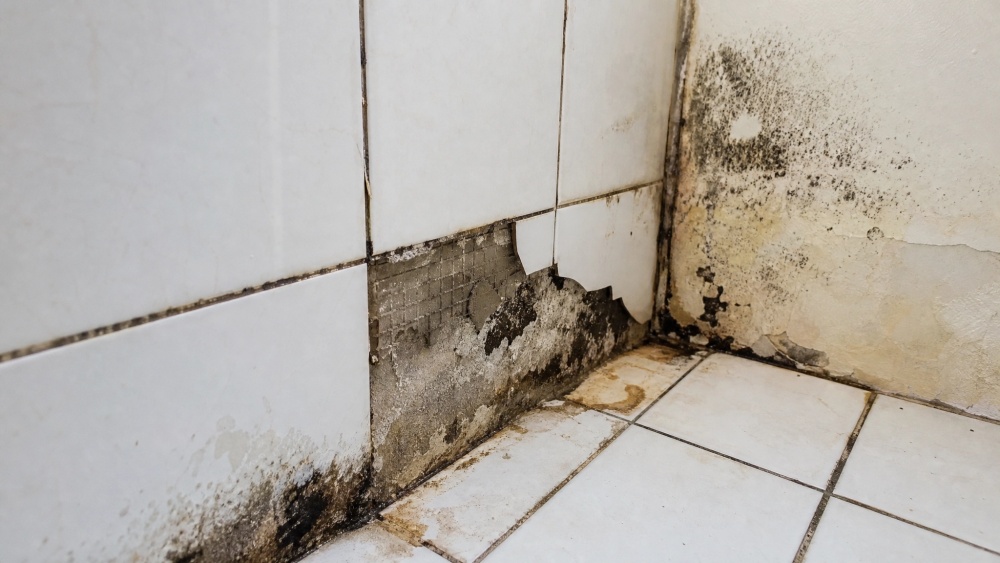
Using standard cement grout without proper sealing often leads to moisture absorption, mold growth, and discoloration.
Incorrect mixing or uneven application can weaken bonding strength and create gaps where water can enter.
Another common issue is not working quickly enough with epoxy grout, which has a faster setting time compared to cement-based products.
Proper surface preparation and following manufacturer instructions are essential for long-term performance.
How to Apply Grout on Shower Tiles Correctly
Before applying grout, tile surfaces should be clean, dry, and free from dust or residue to ensure proper bonding.
The grout should be mixed according to technical instructions to achieve the correct consistency. It is then applied diagonally into tile joints using a rubber float to fully fill gaps and prevent voids.
Excess grout should be removed before it hardens, followed by proper curing time before exposing the surface to water.
Using a stable product system such as OYH epoxy grout can help achieve more consistent results in professional shower installations.
Where to Buy Shower Tile Grout in Bulk
For renovation projects or contractor use, bulk purchasing is often more cost-effective and ensures consistent material quality.
Tile supply stores usually offer grout suitable for wet areas, while online suppliers provide more product options and easier specification comparison.
When buying in bulk, it is important to confirm that the product is suitable for wet environments and compatible with shower applications.
Reliable suppliers like OYH support bulk buyers with consistent product quality and solutions designed specifically for bathroom and shower tile installations.


0 Comments