Sloped roofs are one of the most widely used roofing systems in residential, commercial, and institutional buildings across North America, Europe, and many parts of Asia. Their geometry allows efficient water drainage and helps reduce long-term water accumulation risks.
However, sloped roof systems are constantly exposed to harsh and variable environmental conditions, including wind-driven rain, snow accumulation, freeze-thaw cycles, and long-term material aging. While the outer roofing material is the first line of defense, it is not always sufficient to fully prevent water ingress under extreme or prolonged exposure.
As a result, the long-term performance of a sloped roof system depends heavily on one hidden but critical layer: underlayment.
Why Underlayment Is Essential in Sloped Roof Systems
A sloped roof does not rely on a single waterproof layer. Instead, it uses a layered protection strategy to help manage water that may bypass the primary roofing material.
Installed between the roof deck and the final roof covering, underlayment serves as a secondary protective layer. It helps protect the roof structure when water penetrates the outer roofing surface due to factors such as wind-driven rain, damaged roofing materials, ice dams, or vulnerable roof details.
Without a reliable underlayment, moisture can reach the roof deck and underlying structure, increasing the risk of hidden leaks, material deterioration, and costly repairs over time.
Typical Sloped Roof System Build-Up
A standard sloped roof waterproofing structure using this system is:
• Roof deck (plywood or OSB)
• Self-adhered waterproofing membrane at critical roof areas or/and Synthetic underlayment across the main roof field
• Final roofing material (shingles, tiles, or metal panels)
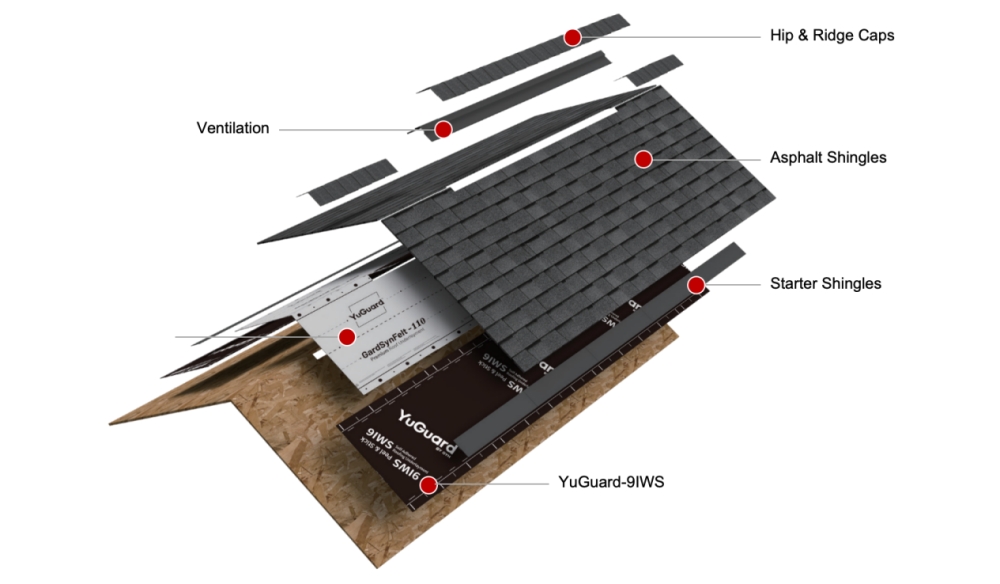
This layered approach ensures that every part of the sloped roof is protected according to its risk level.
Selecting the Right Underlayment for Different Climate Conditions
Climate is a key factor in selecting underlayment systems for sloped roofs, as different environmental conditions create different waterproofing demands.
In cold regions with heavy snowfall, freeze-thaw cycles and ice dam formation can significantly increase the risk of water intrusion. Melted snow may refreeze at roof edges, allowing water to back up beneath the roofing material. In these conditions, self-adhered waterproofing membranes are often used, sometimes even as full-coverage systems, to provide maximum protection.
In moderate climates, a hybrid approach is commonly adopted. Self-adhered membranes are installed at high-risk areas such as eaves, valleys, and penetrations, while synthetic underlayment is used across the main roof field to balance performance and cost.
In warm climates with minimal snow exposure, the main concern is rain and construction-phase protection. Synthetic underlayment systems are typically sufficient to provide reliable coverage and installation efficiency across the entire roof area.
Overall, the choice of an underlayment system should be based on both climate conditions and specific project requirements. In addition, functional design and aesthetic design together define the overall architectural design of a sloped roof.
A Complete Underlayment Solution for Sloped Roofs
To address the varying requirements of different roof zones and climate conditions, the OYH Sloped Roof Underlayment System combines two complementary layers: self-adhered waterproofing protection and synthetic underlayment coverage.
Together, these materials provide a balanced solution that combines high-performance waterproofing with cost-effective roof coverage.
1. Critical Waterproofing Layer: Ice & Water Protection
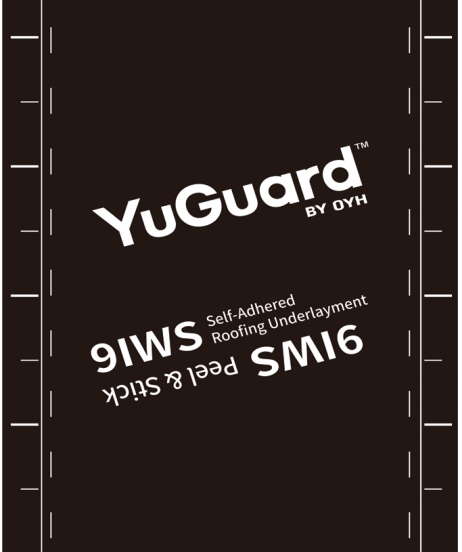
YuGuard-9IWS is a self-adhered waterproofing membrane designed for the most vulnerable areas of a sloped roof system. It can also be used as a full-coverage underlayment solution in regions prone to heavy snow, ice dams, and freeze-thaw cycles.
Typical applications include:
• Roof valleys
• Eaves and roof edges
• Skylights
• Chimneys
• Pipe penetrations and roof details
Because these areas are more susceptible to water infiltration, they require a higher level of waterproofing protection.
Key benefits of YuGuard-9IWS include:
• Self-seals around fasteners to reduce leakage risk
• Fully bonds to roof deck for secure adhesion
• Forms watertight laps for reliable sealing
• Compatible with shingles, tiles, and metal roofing systems
• Slip-resistant surface improves installation safety
• Durable under long-term weather exposure
2. Full-Area Protection Layer: GardSynFelt
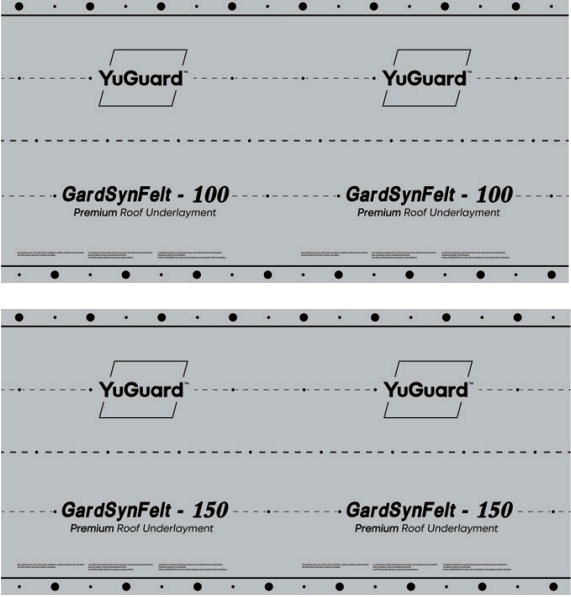
GardSynFelt is a synthetic underlayment designed to provide durable coverage across the main roof field.
Installed beneath the final roofing material, it serves as an additional protective layer for the roof deck while contributing to the overall reliability of the roofing system.
Key benefits of GardSynFelt include:
• Provides reliable waterproof protection against wind-driven rain and moisture ingress
• Acts as an effective vapor barrier to control moisture vapor transmission
• Lightweight composition for easy handling, transport, and installation
• High mechanical strength with enhanced tear resistance for durability
• Slip-resistant coating ensures safer walkability during installation
By combining broad-area coverage with strong mechanical performance, GardSynFelt provides an efficient solution for protecting the majority of the roof surface.
Conclusion
As sloped roof designs continue to evolve, underlayment remains a critical component in ensuring long-term durability and weather resistance. A properly designed system not only enhances waterproofing performance but also improves the overall resilience of the roof under different climate conditions, from heavy rainfall to freeze-thaw cycles. At OYH, we focus on developing high-performance underlayment solutions that address these real-world challenges, helping contractors and building owners achieve more reliable, durable, and cost-effective sloped roof systems.

0 Comments