In modern roofing systems, especially in regions like Southeast Asia, where buildings are exposed to:
• heavy rainfall
• high humidity
• strong winds
• intense solar radiation a reliable waterproofing system is essential.
While roof tiles or metal sheets are the visible protection layer, the real waterproofing performance often depends on what lies beneath — the roofing underlayment.
What Is a Roofing Underlayment?
A roofing underlayment (waterproofing underlayer) is a secondary waterproofing layer installed beneath roof coverings such as:
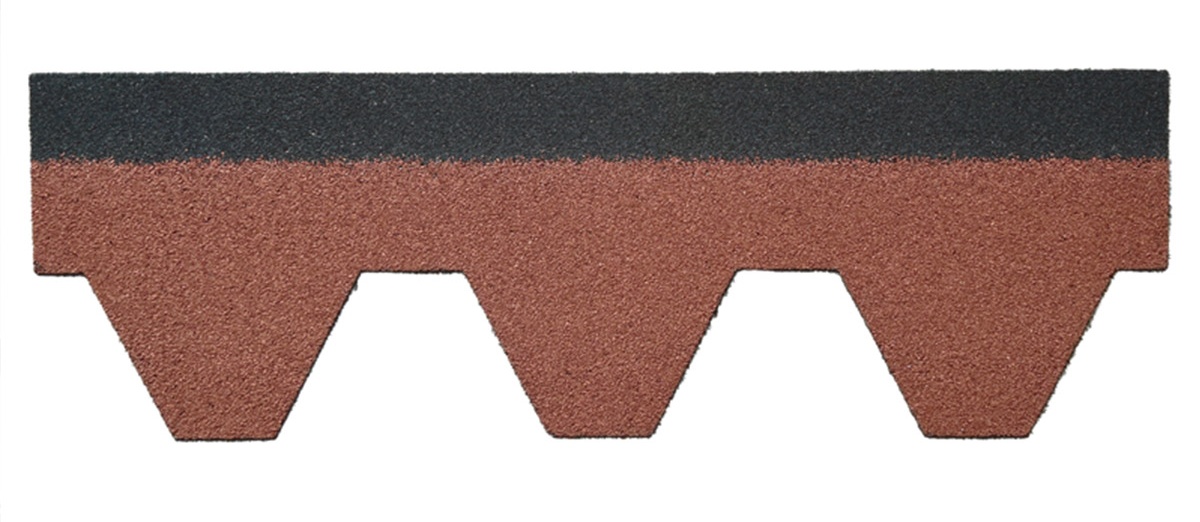
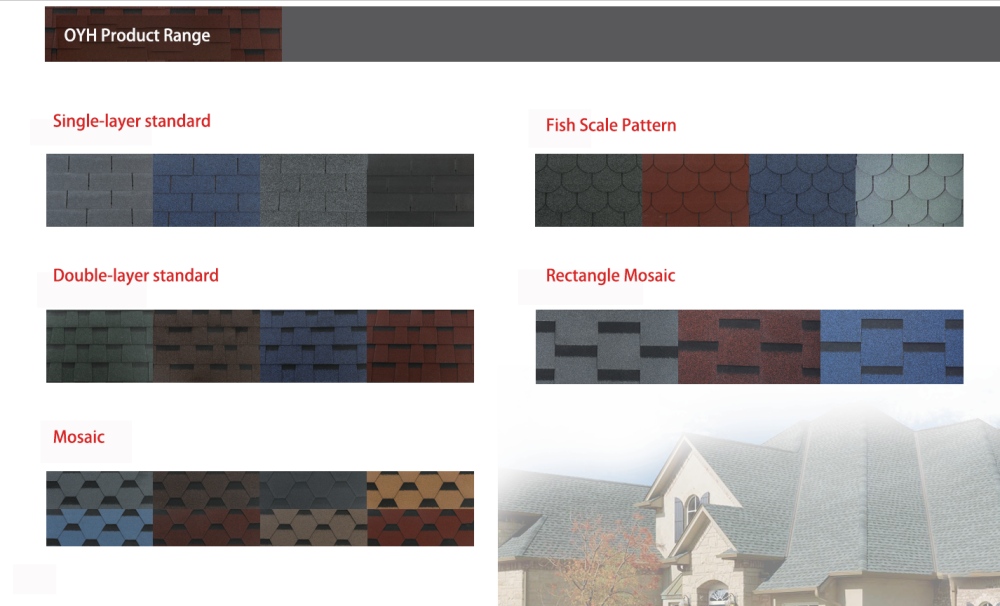
• asphalt shingles
• clay or concrete tiles
• metal roofing sheets
It serves as a backup waterproofing system, ensuring that even if the outer roofing layer is compromised, water cannot penetrate into the structure.
Core Functions of Roofing Underlayment
1. Secondary Waterproof Protection
The primary function is to provide additional waterproofing, especially in sloped roofs where water may infiltrate through:
• tile gaps
• overlaps
• wind-driven rain
2. Moisture and Vapor Barrier
When installed beneath insulation layers, underlayment can act as a vapor barrier, preventing moisture from entering the building structure.
3. Surface Stabilization
It creates a smooth and stable base for roof tiles or shingles, improving installation quality and durability.
4. Additional Protection
Roofing underlayment also provides:
• thermal insulation support
• ventilation assistance
• protection of the roof deck during construction
Where Is Roofing Underlayment Required?
Roofing underlayment is essential for:
🏠 Sloped Roof Systems
• asphalt shingle roofs (≥20° slope)
• tile roofs (clay, concrete, or slate)
• corrugated roofing systems
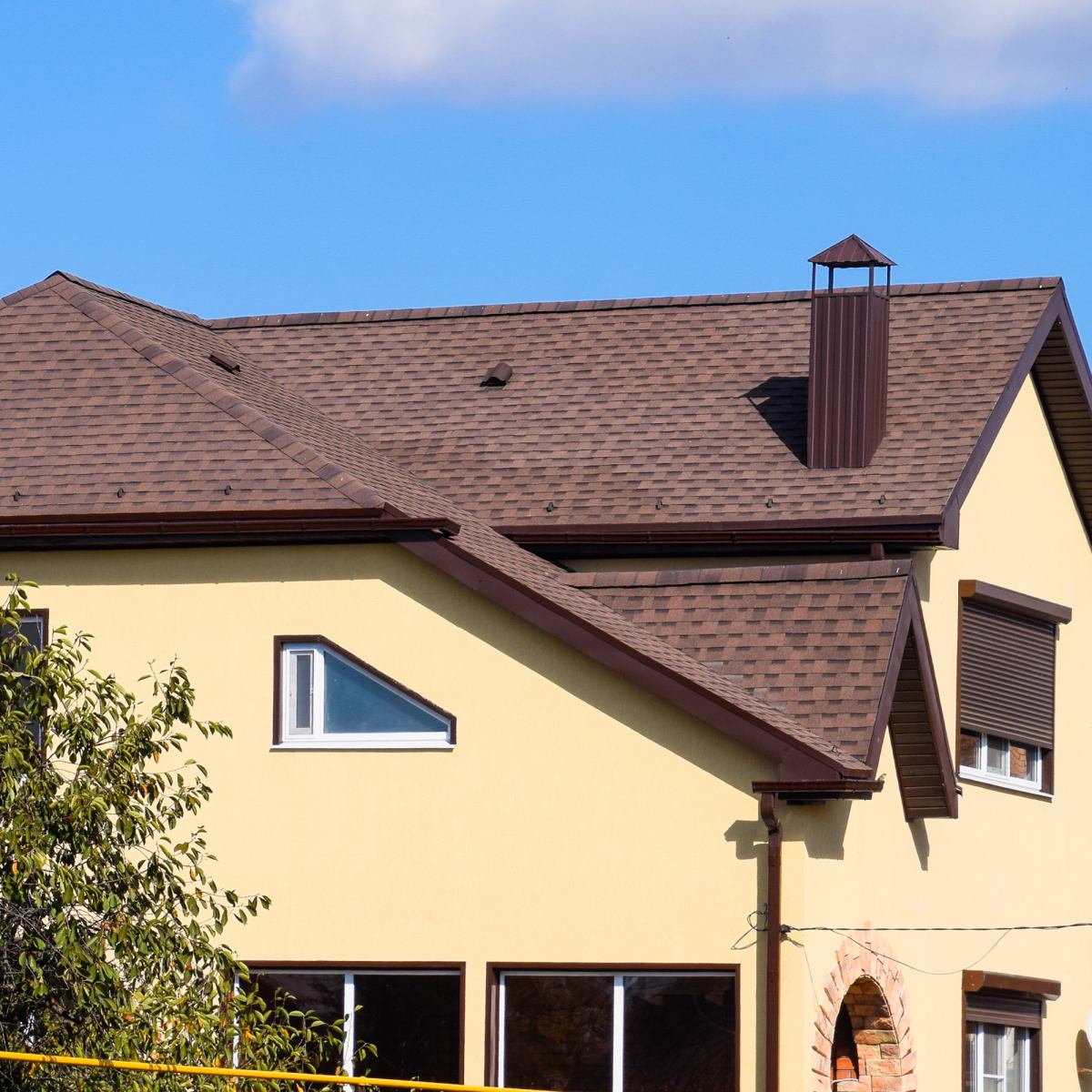
Decorative metal tile on a roof. Types of a roof of roofs. Decorative metal on the roof of the house.
🏢 Metal Roof Systems
• low-slope metal roofs (≥5° slope)
• prefabricated lightweight roofing structures
Critical Areas That Require Extra Protection
For high-performance roofing systems, additional underlayment layers are required at:
• Eaves and gutters
• Ridge areas (≥500mm width reinforcement)
• Valleys (≥1000mm reinforcement)
• Wind-prone zones (enhanced edge protection)
👉 These are the most vulnerable areas for water infiltration.
Types of Roofing Underlayment Materials
1. Bituminous Underlayment
Includes:
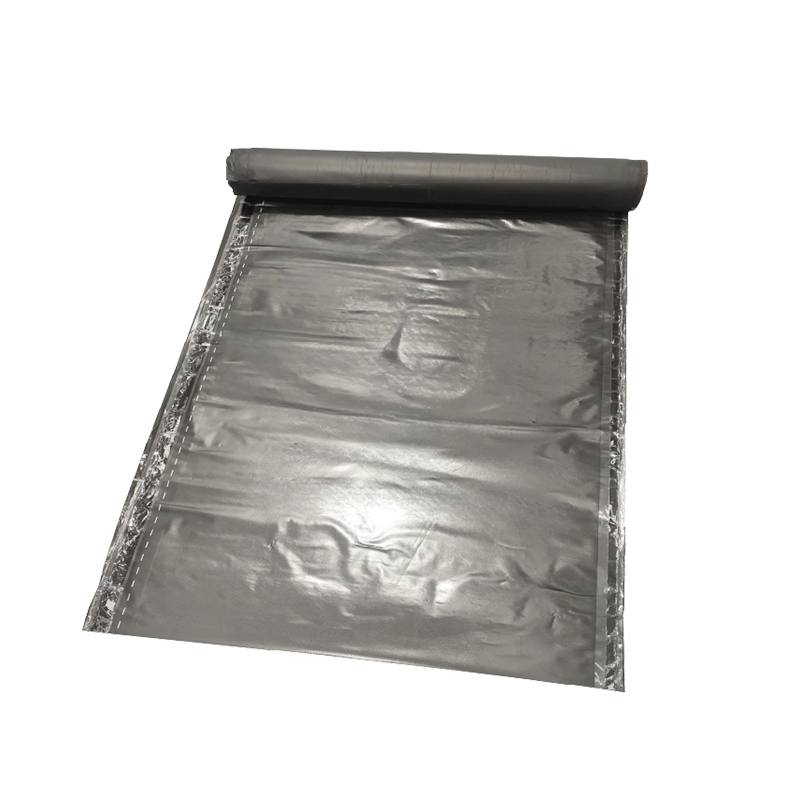
• self-adhesive bitumen membranes
• modified bitumen sheets
Advantages:
• strong waterproofing
• good adhesion
• durable
2. Synthetic (Polymer) Underlayment
Includes:
• polypropylene or polyethylene membranes
• breathable or vapor-permeable sheets
Advantages:
• lightweight
• high tear resistance
• easy installation
• better performance in humid climates
3. Specialized Underlayment
• reflective aluminum foil membranes
• ventilated corrugated bitumen sheets
Why Synthetic Underlayment Is Preferred in Southeast Asia
In tropical climates like Malaysia, Indonesia, and the Philippines, synthetic underlayments are becoming the preferred choice because they:
• resist moisture and mold
• perform well under high humidity
• provide better durability under UV exposure
• are lightweight and easy to install
OYH Roofing Underlayment Solutions
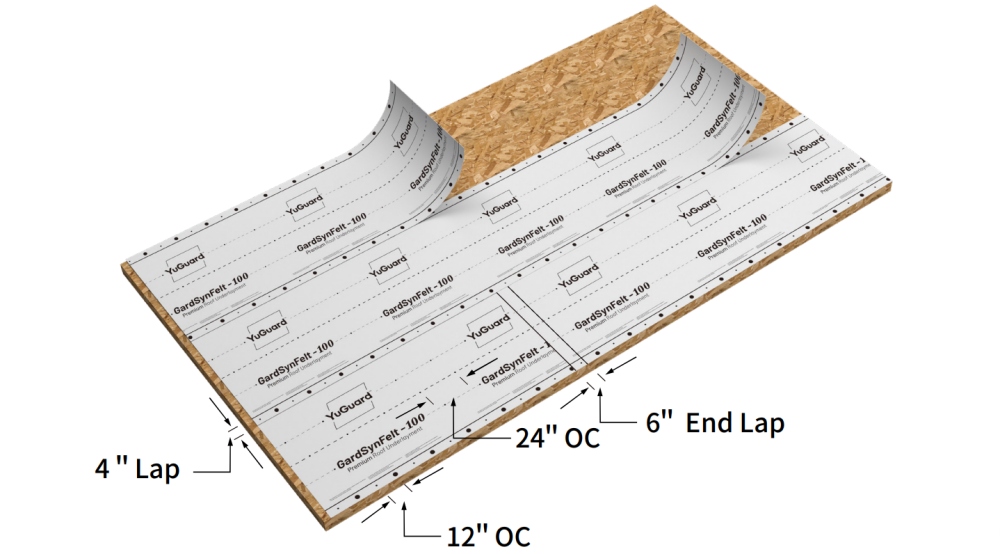
🔹 GardSynFelt Synthetic Roofing Underlayment
Designed for modern lightweight roofing systems, GardSynFelt is a high-performance synthetic underlayment installed between the roof deck and tiles.
Key Features:
✔ Lightweight yet strong (95gsm / 110gsm options)
✔ Excellent moisture resistance
✔ High tear strength
✔ Large roll coverage (1000 sq.ft per roll)
✔ Easy handling and installation
👉 Ideal for:
• tile roofing systems
• residential and commercial buildings
• tropical and humid environments
🔹 YuGuard-9IWS Self-Adhesive Roofing Underlayment
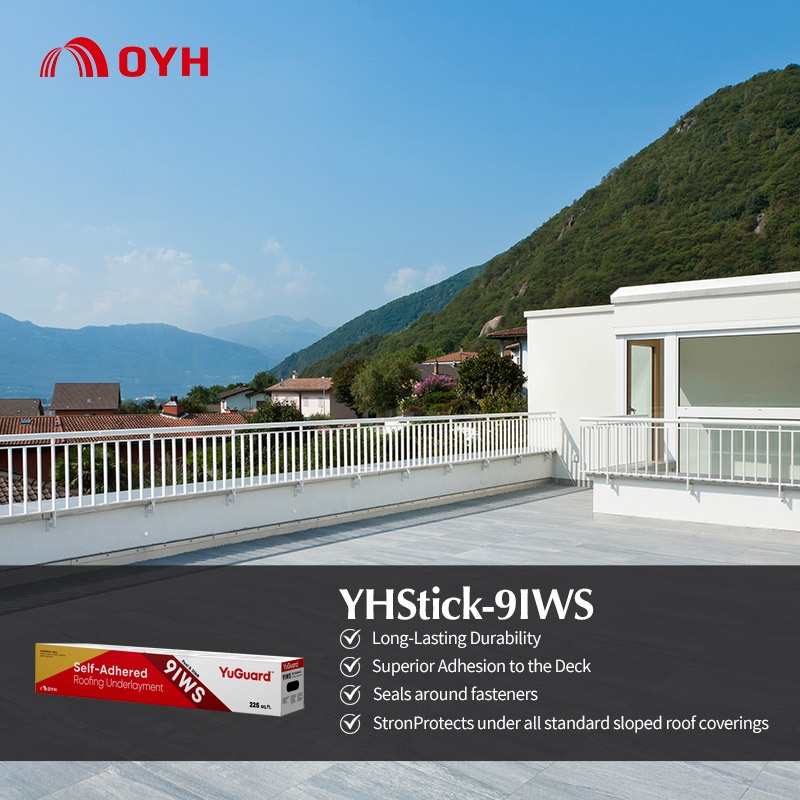
For projects requiring higher waterproof performance, YuGuard-9IWS offers a self-adhesive solution.
Key Features:
✔ Rubberized asphalt adhesive layer
✔ Strong bonding to substrate
✔ 1mm thickness for reliable waterproofing
✔ Suitable for sloped roofs and critical areas
👉 Ideal for:
• eaves, valleys, and ridges
• high-risk leakage zones
• premium roofing systems
Installation Considerations
To ensure optimal performance:
• Overlap width should be ≥100 mm
• Installation methods include:
○ loose-laid
○ fully adhered
○ mechanically fixed
• For steep roofs (>50% slope):
○ mechanical fixing or full adhesion is recommended
👉 Proper detailing is essential for long-term waterproofing.
Waterproofing Performance Levels
In tile roofing systems:
• roofing underlayment can serve as the primary waterproof layer in certain design levels
• especially in lightweight roofing systems, it plays a critical role in system performance
Why Choose OYH Roofing Underlayment?
✔ Complete Product Range
• synthetic underlayment
• bituminous solutions
✔ Designed for Tropical Climates
Optimized for high humidity, heavy rain, and strong winds
✔ Cost-Effective & Efficient
Fast installation and reduced labor costs
✔ Reliable Waterproofing Performance
Ensures long-term protection for roofing systems

0 Comments