Introduction
When selecting a roofing membrane for commercial or industrial buildings, two common options are TPO (Thermoplastic Polyolefin) and EPDM (Ethylene Propylene Diene Monomer).
Both materials are widely used, but they differ significantly in installation, energy efficiency, durability, and long-term cost.
In recent years, more contractors, developers, and building owners are choosing TPO roofing systems — especially high-performance products like OYH PMT-3030P TPO membrane.
What Is EPDM Roofing?
EPDM is a synthetic rubber roofing membrane, typically black in color. It is known for:
• good flexibility
• strong weather resistance
• long service history
However, EPDM is usually installed using adhesives or tapes, rather than heat welding.Adhesives or tapes do not have the same durability as EPDM membrane.
What Is TPO Roofing?
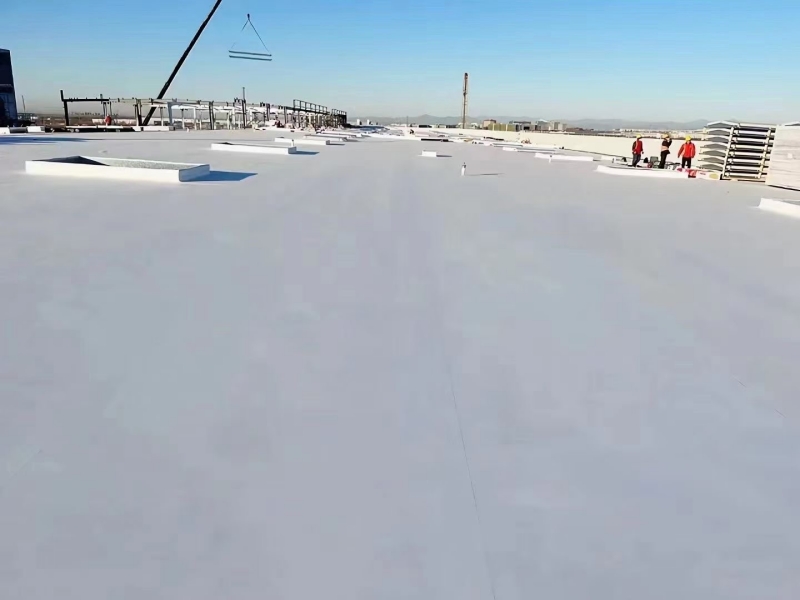
TPO is a thermoplastic roofing membrane, combining rubber flexibility with plastic weldability.
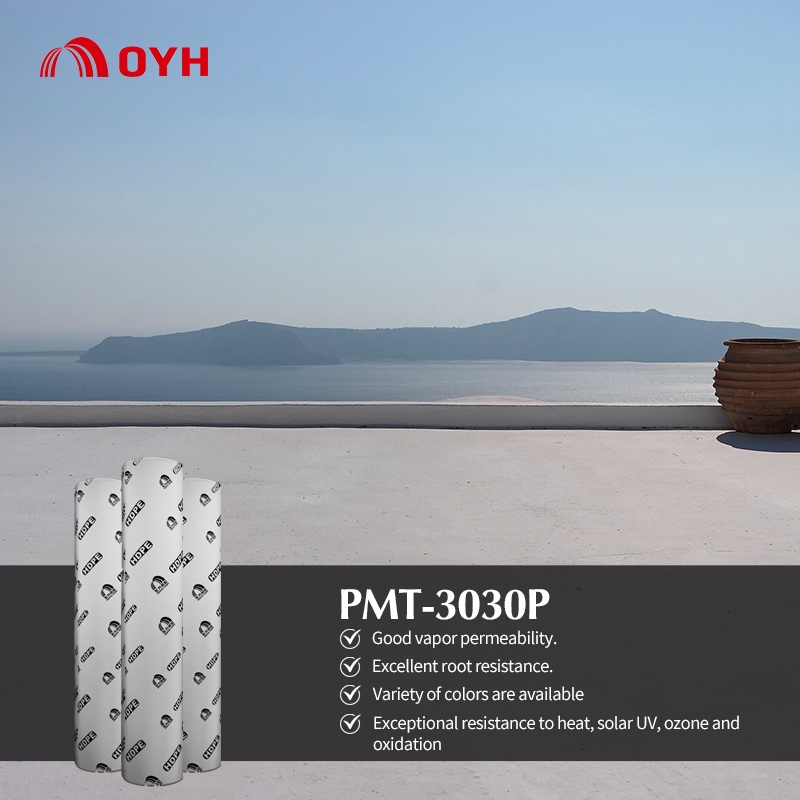
Products like OYH PMT-3030P are designed for modern roofing systems, offering:
• reinforced structure (polyester scrim)
• hot-air weldable seams
• high solar reflectivity
• excellent mechanical strength
TPO vs EPDM: Key Differences
1. Installation & Seam Reliability
• EPDM: Seams rely on adhesives or tapes
• TPO: Seams are heat-welded
👉 Why it matters:
Heat-welded seams in TPO create a monolithic waterproof layer, reducing the risk of leakage over time.
2. Energy Efficiency
• EPDM: Typically black, absorbs heat
• TPO: Usually white, highly reflective
👉 OYH PMT-3030P Advantage:
Its high reflectivity helps reduce roof temperature and lower cooling costs, especially in hot climates.
3. Maintenance & Aging
• EPDM: Adhesive seams may degrade over time
• TPO: No adhesive seams, better long-term consistency
👉 Why choose TPO:
Less maintenance is required, and performance remains stable over time.
4. Mechanical Strength
• EPDM: Flexible but not reinforced (in many cases)
• TPO: Reinforced with polyester scrim
👉 OYH PMT-3030P Advantage:
Provides high tensile strength and puncture resistance, ideal for industrial roofs and high-traffic areas.
5. Cost Efficiency
• EPDM: Lower initial material cost (sometimes)
• TPO: Better overall lifecycle cost
👉 Sales Insight:
TPO reduces long-term costs through energy savings + lower maintenance + faster installation.
Why More Projects Are Switching to TPO
Globally, TPO has become one of the fastest-growing roofing materials, especially in:
• factories
• warehouses
• logistics centers
• commercial buildings
Key reasons include:
• energy efficiency (cool roof)
• fast installation
• strong seams
• environmental benefits
Why Choose OYH PMT-3030P TPO Membrane
Compared to standard TPO products, OYH PMT-3030P offers:
✔ Reinforced Structure
High-strength polyester scrim for durability
✔ Excellent Weldability
Stable and consistent hot-air welding performance
✔ High Reflectivity
Helps reduce indoor temperature and energy consumption
✔ Strong Mechanical Properties
Resistant to tearing, puncture, and wind uplift
✔ Suitable for Global Markets
Designed for projects in Southeast Asia, Middle East, Africa, and beyond
Typical Applications
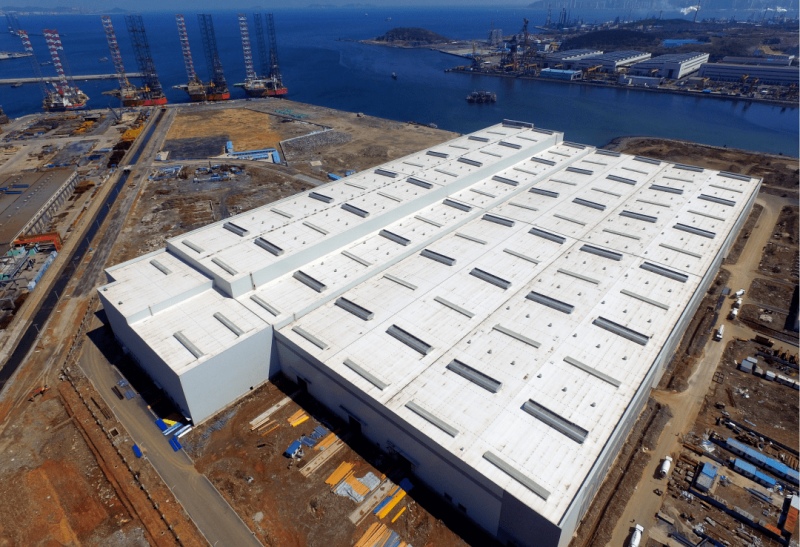
OYH PMT-3030P is ideal for:
• industrial roofing systems
• steel structure buildings
• large-span warehouses
• commercial rooftops

0 Comments