Bathrooms, shower rooms, and other wet areas are among the most moisture-sensitive spaces in modern buildings. They are constantly exposed to water, high humidity, and changing moisture conditions, making reliable protection essential for long-term building performance.
As wet area designs continue to evolve, features such as walk-in showers, curbless designs, underfloor heating, and highly insulated buildings have created higher requirements for moisture control. While preventing water leakage remains the primary concern, water vapor is another hidden challenge that should not be overlooked.
Unlike liquid water, water vapor can travel through building materials and accumulate behind tiles or inside walls and floors. Over time, trapped moisture may lead to mold growth, unpleasant odors, substrate damage, and tile debonding.
For this reason, bonded waterproofing membranes with integrated vapor control have become the preferred solution in many regions, particularly in North America, Europe, Australia, and etc. These systems provide comprehensive moisture protection beneath tile finishes while simplifying installation and improving long-term durability。
Why Modern Bathrooms Need More Than Waterproofing
Traditional waterproofing systems are primarily designed to prevent liquid water from penetrating the building structure. However, in environments exposed to frequent showers, continuous humidity, or steam, moisture exists in more than one form: liquid water and water vapor.
Even when no visible leaks occur, water vapor can gradually migrate through porous substrates. Once trapped behind finishes, it may create ideal conditions for mold, mildew, and material deterioration. This is why modern bathroom design increasingly considers vapor management as an essential part of waterproofing rather than an optional upgrade.
By combining waterproofing and vapor protection in one system, contractors can better protect both the finished surface and the underlying building structure, resulting in a healthier indoor environment and reduced maintenance over the building’s service life.
Selecting the Right Waterproofing Approach for Wet Areas
Different wet area applications have different performance requirements. Selecting a suitable waterproofing system should consider not only water exposure, but also project conditions, construction requirements, and long-term durability expectations.
Key factors to consider include:
Moisture Exposure Level
Residential bathrooms, commercial shower facilities, spa facilities, hotels, healthcare facilities, and other wet environments may experience different levels of moisture exposure. Areas with frequent humidity or steam exposure may require additional consideration of vapor control.
Installation Requirements
Construction conditions, project schedules, and quality control requirements can influence waterproofing system selection. A well-designed system should provide reliable performance while supporting efficient and consistent installation.
Finishing System Compatibility
The waterproofing layer is usually installed behind tiles or other finishing materials. Therefore, compatibility between the waterproofing system, tile adhesive, and finishing layer is important for overall system performance.
For projects requiring both waterproofing reliability and vapor management, sheet membrane systems provide an effective solution.
OYH Waterproof Vapor Barrier Sheet Membrane System
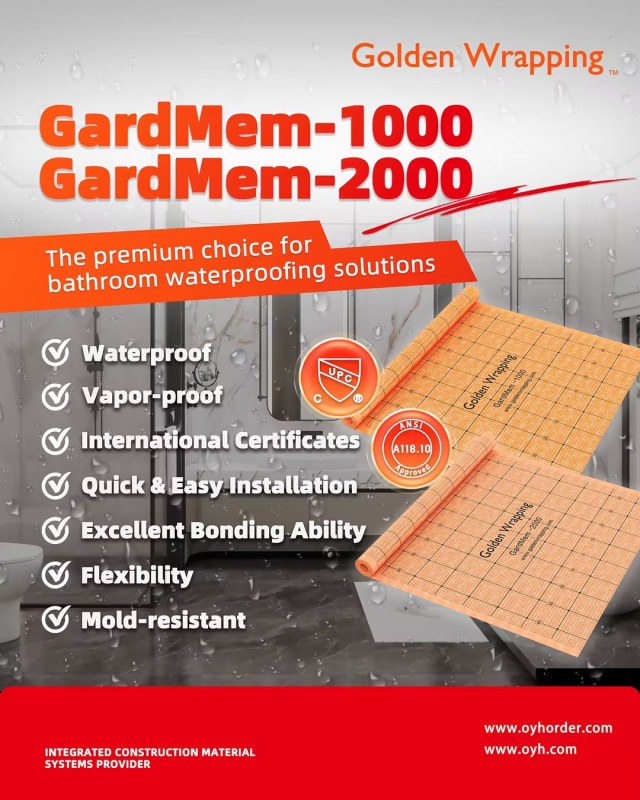
To address these challenges, OYH has developed the GardMem Waterproofing System—a bonded sheet-applied waterproofing membrane that also functions as a vapor retarder. Designed specifically for tiled wet areas, the system creates a continuous waterproof layer directly beneath ceramic, porcelain, or natural stone tiles while significantly reducing vapor transmission into the substrate.
The GardMem system consists of two membrane options to suit different project requirements:
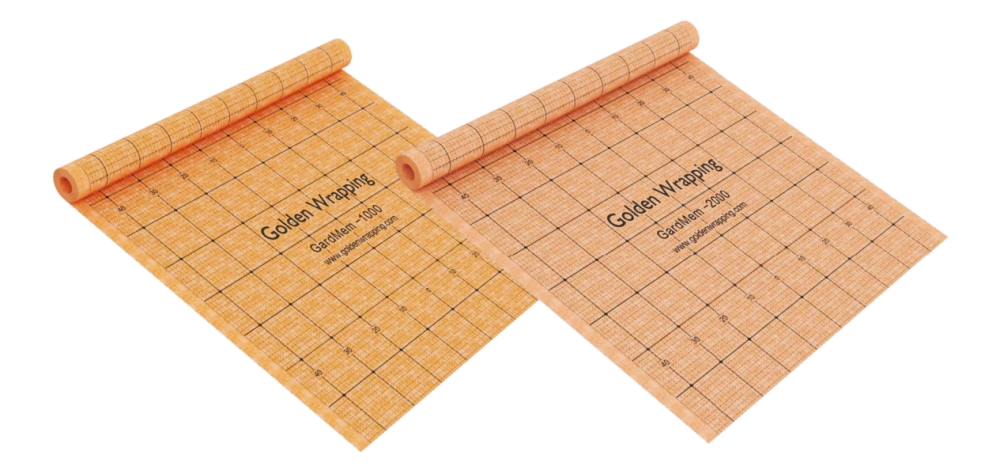
GardMem-1000
GardMem-1000 is designed for General Wet Areas such as Bathrooms, Shower walls, Bathtub surrounds, Kitchens, Balconies, and Terraces. Manufactured with a flexible thermoplastic polymer core and polypropylene fleece on both sides, it offers reliable waterproofing performance together with effective vapor control for everyday residential and commercial applications.
For environments with continuous exposure to moisture and steam, such as steam showers and other high-humidity spaces, GardMem-2000 provides an even higher level of vapor protection. Its high-density polyethylene (HDPE) core delivers exceptionally low vapor permeability while maintaining excellent bonding performance, making it an ideal choice where stringent moisture management is required.
Key Benefits of the GardMem System
• Factory-Controlled Quality: Manufactured under controlled conditions, sheet membranes provide consistent thickness and stable performance across the entire application area, helping reduce variations caused by onsite application.
• Waterproof & Vapor Barrier: Protects walls, floors, and ceilings from water penetration and vapor transmission.
• Mold & Mildew Protection: Helps prevent moisture buildup behind tiles, reducing the risk of mold and mildew.
• Flexible: Accommodates normal substrate movement while maintaining waterproof integrity.
• Low Build-Up: Thin profile allows easy integration into tile assemblies.
• Strong Bonding: Fleece backing provides excellent adhesion to thin-set mortar for durable performance.
• Easy Installation: Flexible, easy to cut, and printed with gridlines for quick and accurate installation.
• Durable: Resistant to wear and common chemicals found in tiled wet areas.
• Complete System: Compatible with OYH Gold Wrapping accessories for a fully integrated waterproofing system.
• Enhanced Vapor Control: GardMem-2000 is ideal for high-humidity applications such as steam showers, steam rooms, and spa facilities.
Complete Wet Area Protection Through a System Approach
A high-performance wet area waterproofing solution is not only about the membrane itself. Long-term performance depends on the integration of the waterproof layer, critical detailing components, and finishing system.
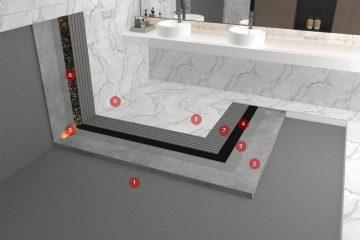
A typical GardMem Wet Area System consists of multiple layers designed to provide continuous waterproof and vapor protection:
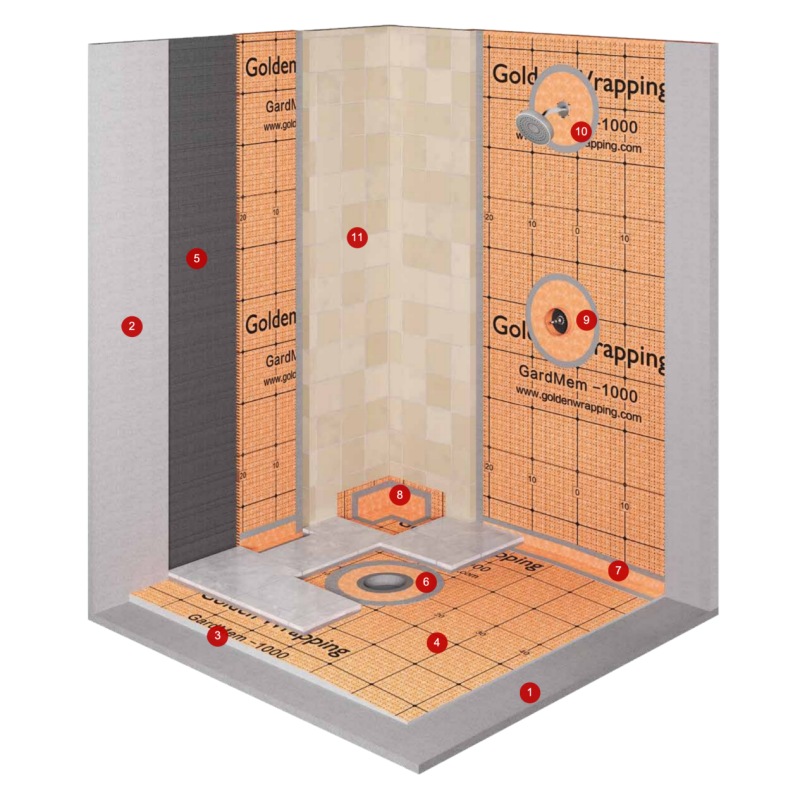
1. Wood or Concrete Subfloor
The structural base of the system provides a stable foundation for waterproofing assembly.
2. Wall Substrate
A properly prepared wall surface that supports the waterproofing membrane and tile finish.
3. Mortar Ramp or Prefabricated Base Ramp
Creates a smooth transition between the floor and wall, eliminating sharp corners and helping the membrane achieve continuous coverage.
4. GardMem-1000 / 2000 Waterproof Membrane
The core waterproofing and vapor barrier layer that prevents both liquid water and water vapor from penetrating the structure.
5. Thin-set Mortar
Provides strong adhesion between the waterproof membrane and the tile finish.
6. Drainage System
Collects and directs water efficiently to the drain, preventing water accumulation beneath the tile surface.
7. GardMem-BAND or GardMem-FlexBAND
Flexible sealing tapes used to reinforce joints and movement areas, ensuring continuous waterproof protection.
8. GardMem-IC (Preformed Inside Corner)
Preformed inside corners simplify installation and provide reliable waterproofing at one of the most vulnerable areas of the system.
9. GardMem-VS (Valve Seal)
Preformed valve seals with overmolded rubber gaskets create a secure waterproof seal around valve penetrations.
10. GardMem-PS / GardMem-PC (Pipe Seal)
Preformed pipe seals with overmolded rubber gaskets ensure watertight protection around pipe penetrations.
11. Decorative Tiles
The final finished surface that delivers both aesthetics and long-lasting performance.
A Complete System for Every Detail
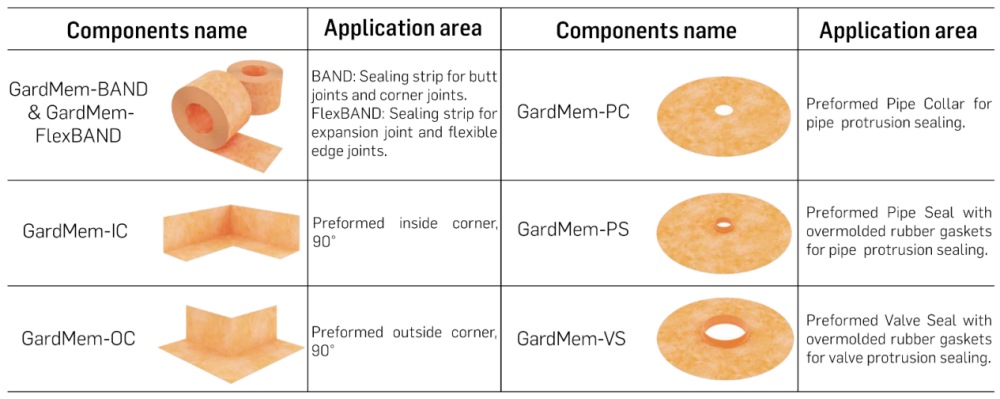
A durable wet area waterproofing system requires more than just a waterproof membrane. While GardMem-1000/2000 provides reliable protection for large surface areas, critical details such as corners, joints, and pipe penetrations require specially designed accessories to ensure continuous waterproofing.
The GardMem System includes a complete range of prefabricated accessories, including sealing bands, preformed corners, pipe seals, and valve seals. These components are designed to work seamlessly with the membrane, making installation easier, improving reliability, and ensuring long-lasting waterproof performance.
Conclusion
As modern buildings become more airtight and wet areas experience higher levels of humidity, waterproofing alone is no longer enough. Effective moisture management requires a system that controls both liquid water and water vapor while ensuring reliable detailing throughout the installation.
The GardMem Waterproofing System combines bonded waterproofing membranes, vapor protection, and a complete range of prefabricated accessories into one integrated solution. Whether for residential bathrooms, hotels, healthcare facilities, or high-humidity commercial projects, it provides architects, contractors, and installers with a smarter, more reliable approach to wet area waterproofing.
0 Comments