Tile adhesive for underfloor heating is designed to fix tiles while allowing heat to pass through the floor system efficiently. Unlike standard adhesives, it must remain stable under continuous temperature changes without losing bonding strength.
When a heating system turns on and off, the floor expands and contracts slightly. A suitable adhesive helps absorb this movement while keeping tiles firmly in place. This is essential for both performance and long-term durability.
What Is the Best Tile Adhesive for Underfloor Heating?
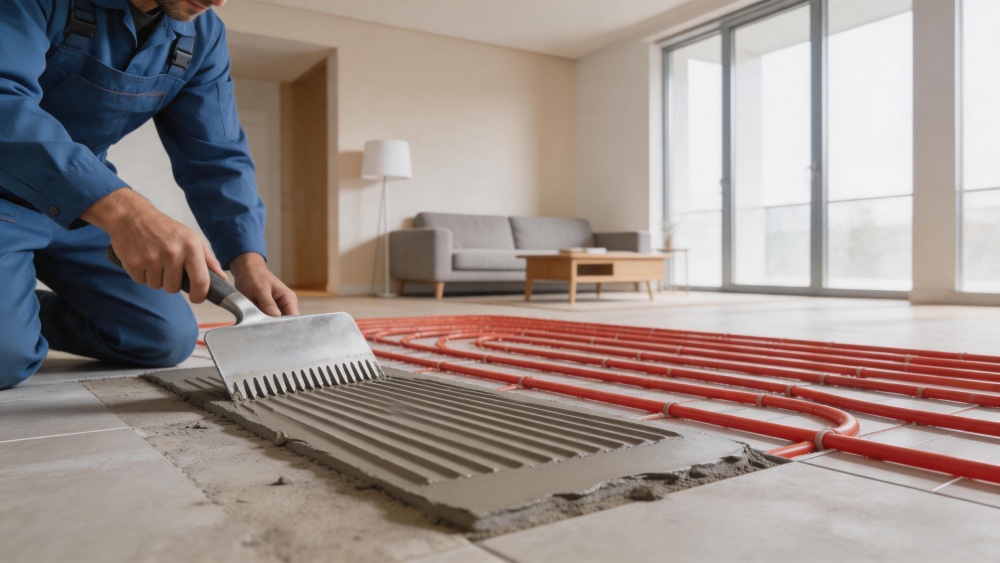
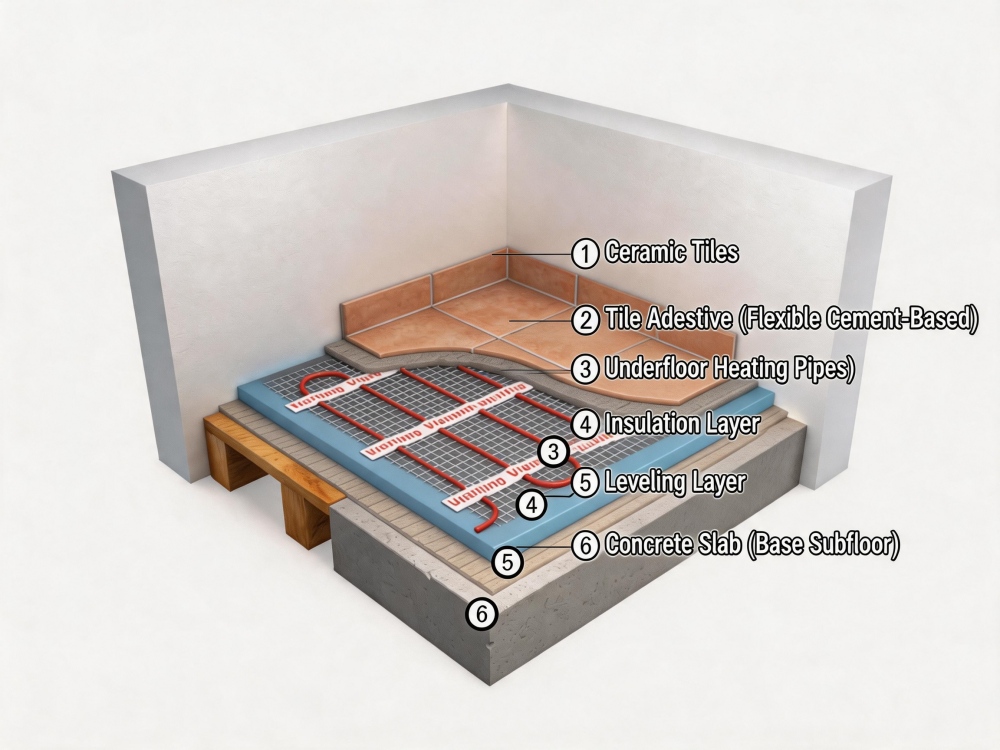
The most suitable tile adhesives for heated floors are flexible cement-based adhesives designed for temperature variation.
These adhesives maintain strong bonding even when the floor expands and contracts. They are commonly used with ceramic tiles, porcelain tiles, and natural stone.
A key requirement is flexibility. Without it, tiles may crack or become loose over time due to heat movement. Another important factor is adhesion strength, ensuring the tiles remain stable under load and thermal stress.
In practical applications, fast-setting formulations are often preferred because they allow earlier foot traffic and reduce installation downtime.
How to Choose Tile Adhesive for Heated Floors?
Choosing the right adhesive depends on the tile type, installation area, and heating conditions.
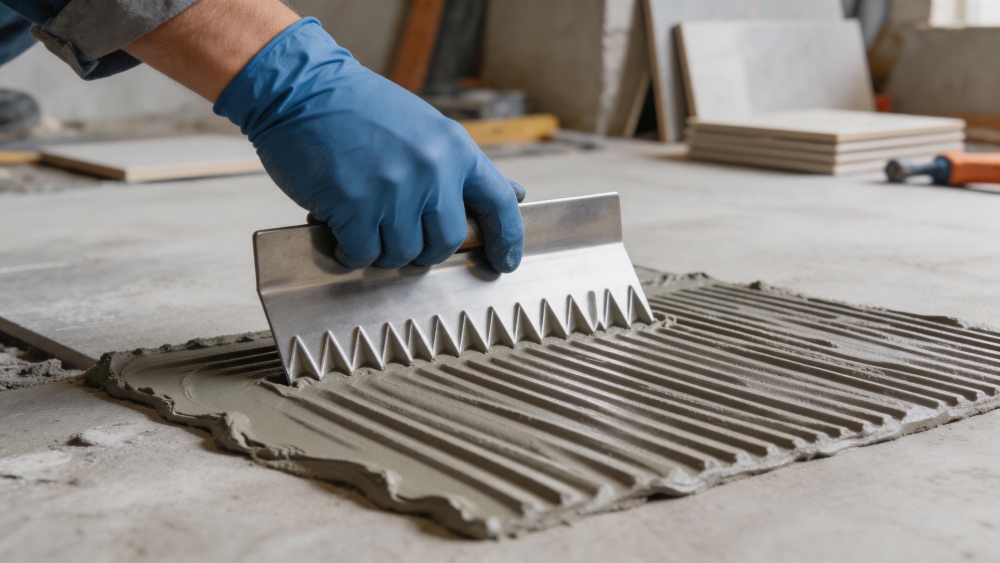
Heavy tiles such as stone require higher-strength adhesive, while standard ceramic tiles can use flexible general-purpose options. The installation environment also matters. For example, bathrooms or kitchens require water-resistant performance in addition to heat compatibility.
Surface preparation is equally important. The base must be clean, dry, and stable before application. Any dust or moisture can reduce bonding strength and affect final performance.
Correct application thickness also plays a role. Applying too much adhesive can cause uneven tile surfaces, while too little can reduce bonding performance.
For contractors and installers, using a reliable product line such as OYH flexible tile adhesive helps ensure consistent results across different flooring projects.
What Problems Can Happen with Tile Adhesive for Underfloor Heating?
Most issues come from incorrect product selection or poor installation rather than the heating system itself.
One common problem is using standard adhesive that is not designed for heat exposure. This can lead to tile cracking or detachment over time.
Another issue is applying adhesive under unsuitable temperature conditions. If the floor is too hot during installation, the adhesive may dry too quickly, reducing bonding performance.
Skipping proper surface preparation is also a frequent cause of failure. Even high-quality adhesive will not perform well on dusty or unstable surfaces.
Where to Buy Tile Adhesive for Underfloor Heating in Bulk?
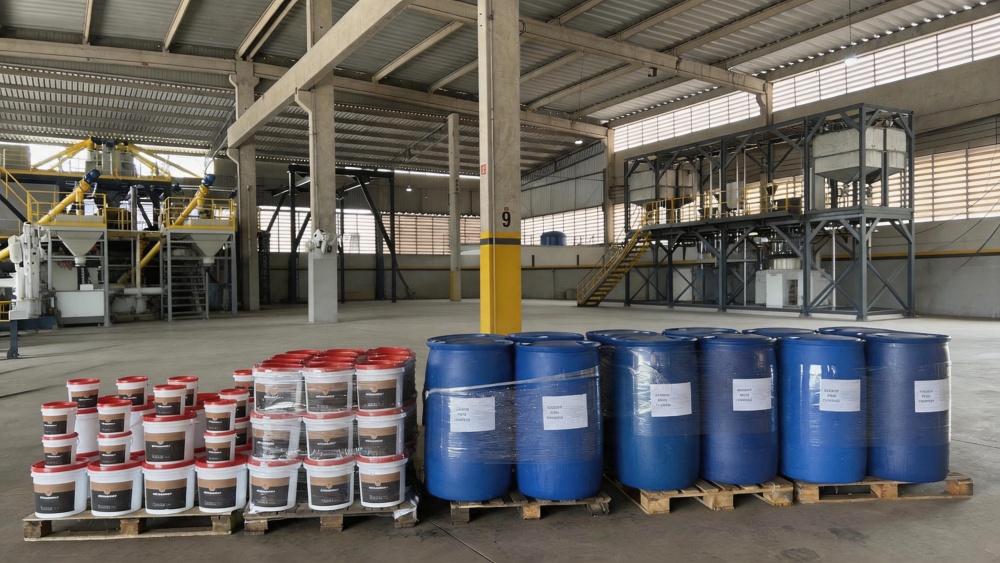
For larger projects, bulk purchasing is often more cost-effective and ensures material consistency across the entire installation.
Local building material suppliers usually provide direct access to construction adhesives and can offer technical guidance for underfloor heating applications. Online construction material platforms are another option, allowing easy comparison of specifications and pricing.
When selecting a supplier, it is important to check product compatibility with heated floor systems, as not all tile adhesives are suitable for thermal movement.
Some professional buyers prefer established suppliers like OYH, which provide consistent quality and support for different flooring installation requirements.
Why Choosing the Right Tile Adhesive Matters
Tile adhesive is not just a bonding material—it directly affects the performance of the entire underfloor heating system.
A suitable adhesive ensures efficient heat transfer, stable tile positioning, and long-term durability. Poor selection can lead to energy loss, surface damage, and expensive repairs.
For this reason, material compatibility should always be considered as part of the heating system design, not just as a finishing step.

0 Comments