Waterproofing is used to protect buildings from water damage. When moisture enters a structure, it can lead to mold, corrosion, and long-term structural issues. To prevent this, different waterproofing methods are used depending on where and how the structure is exposed to water.
There is no single solution that works for every scenario. Understanding the main types of waterproofing is the first step in choosing the right system.
What Are the Main Types of Waterproofing?
In construction, waterproofing methods are usually selected based on application area and performance requirements.
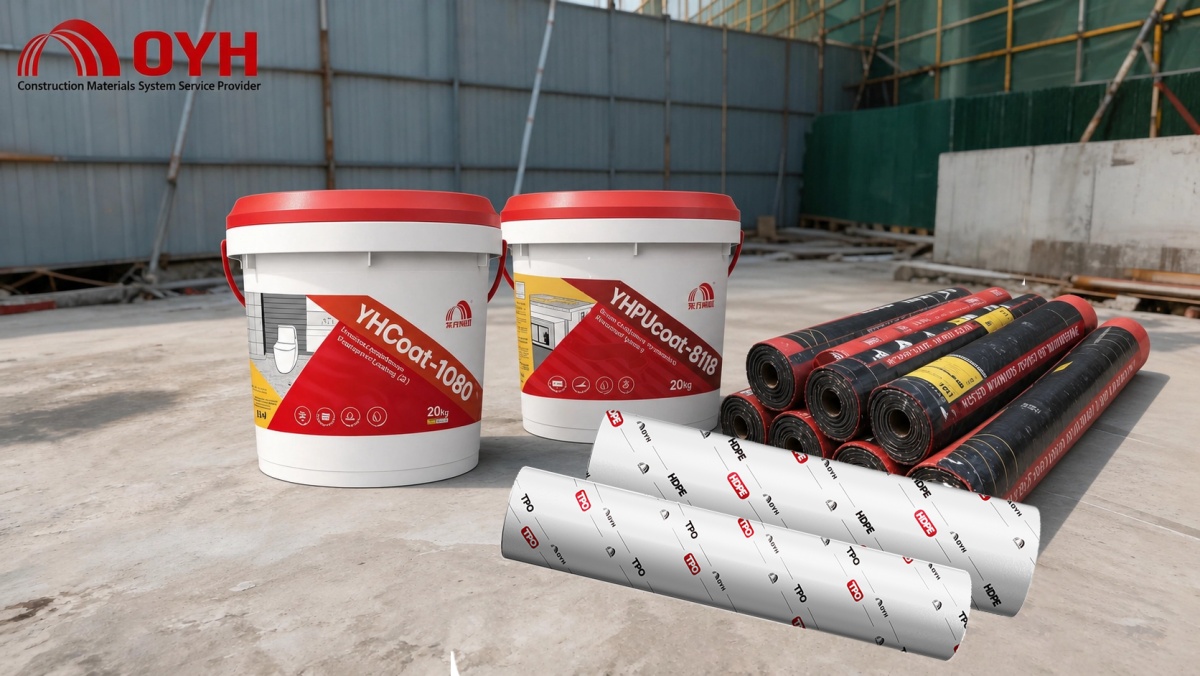
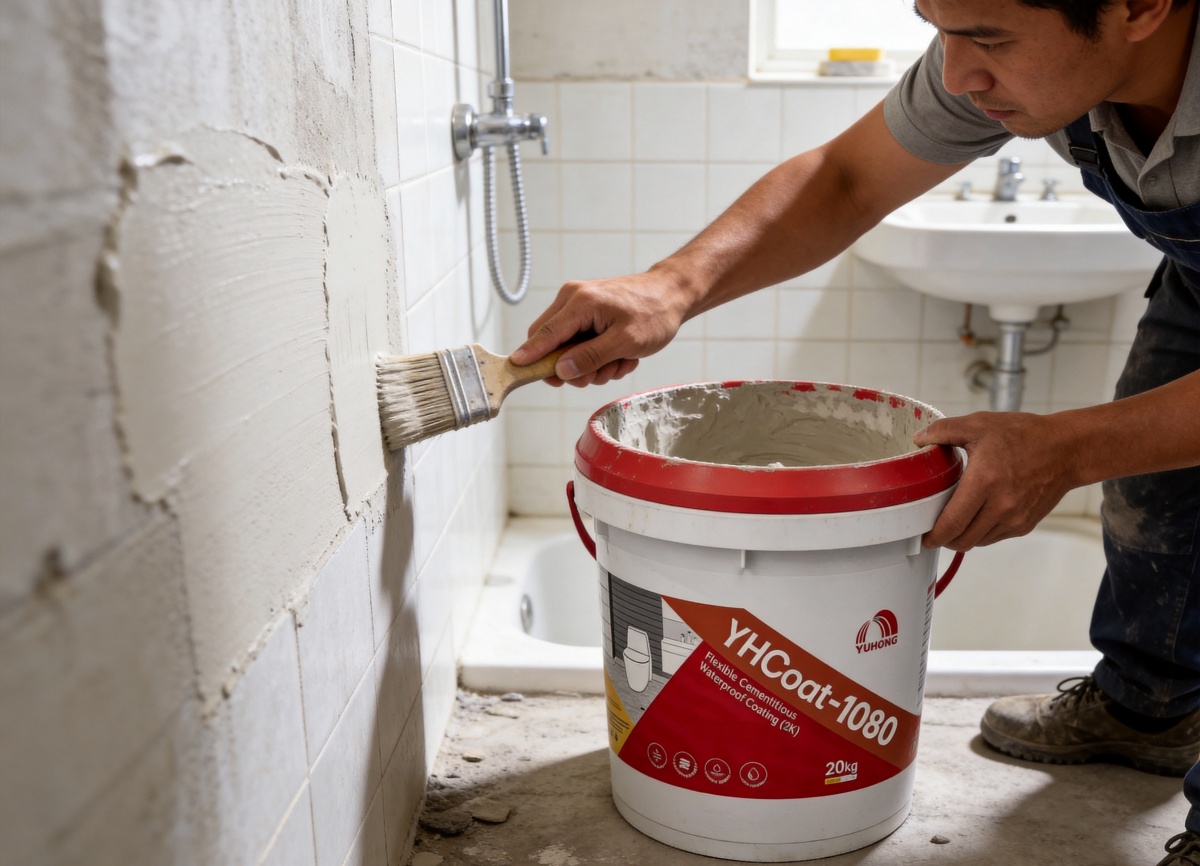
Cementitious waterproofing is one of the simplest and most widely used methods. It is commonly applied in internal wet areas such as bathrooms, kitchens, and water tanks. It bonds well to concrete and is easy to apply, but it has limited flexibility.
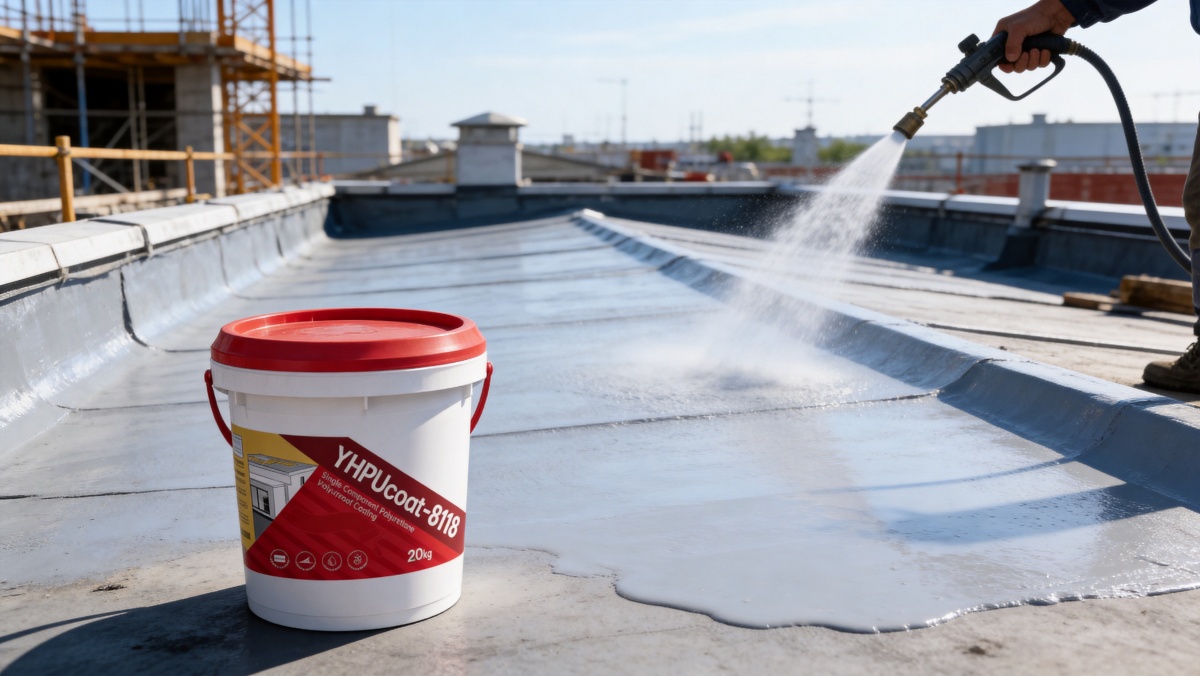
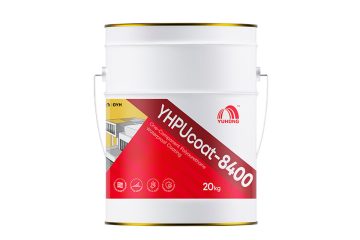
Liquid waterproofing membranes are applied as a coating and cure into a seamless layer. Because there are no joints, they are effective for areas with complex shapes, such as balconies, roofs, and terraces. Their flexibility also helps prevent cracking.
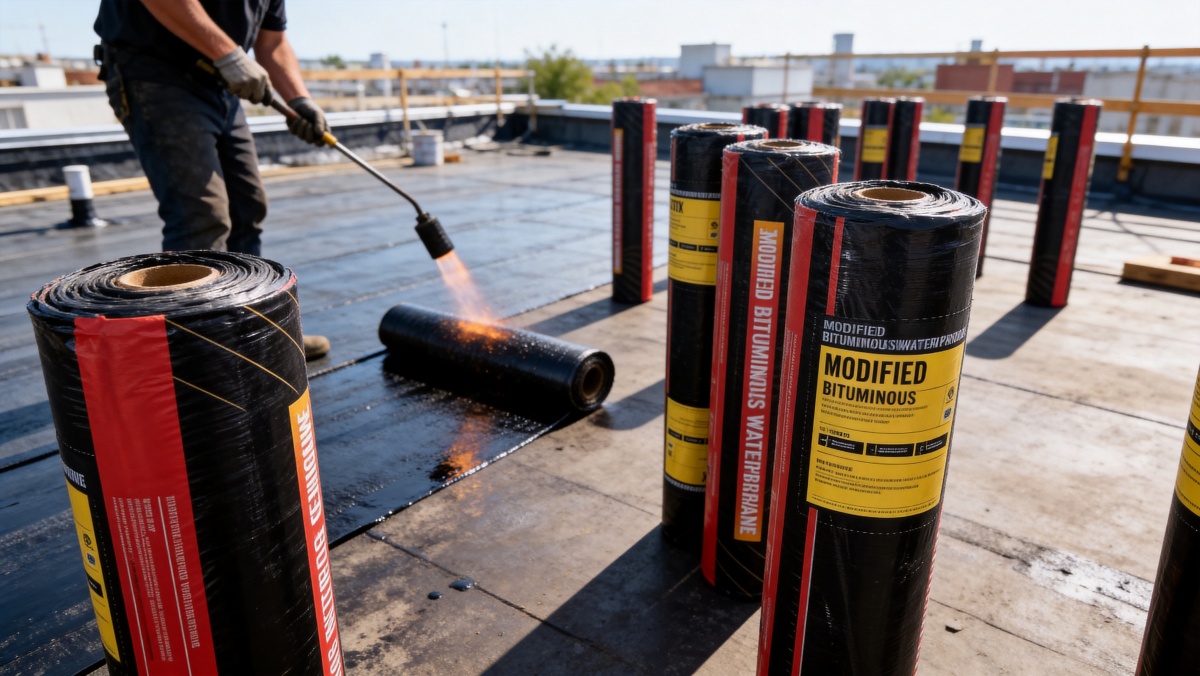
Bituminous waterproofing is an asphalt-based system often used in roofs and foundations. It provides strong water resistance and performs well in environments with high moisture exposure.
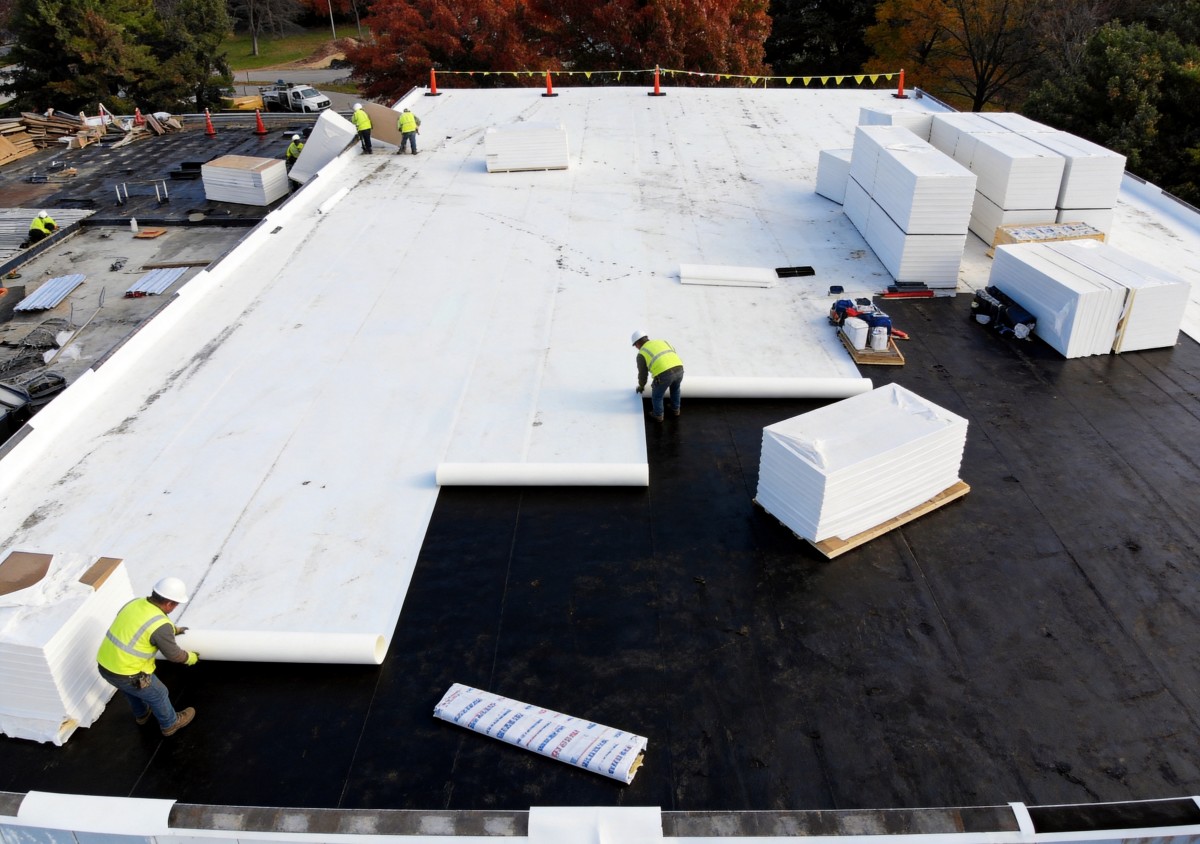
Sheet membranes are pre-formed layers that are installed on surfaces. They are commonly used in large projects like basements, tunnels, and roofing systems, where consistent thickness and durability are required.
Which Type of Waterproofing Is Best for Different Areas?
Different parts of a building face different moisture conditions, so the choice of waterproofing should match the application.
Basements and foundations are constantly exposed to groundwater, so they require systems with strong water pressure resistance, such as bituminous or sheet membranes.
Roofs need materials that can handle sunlight, temperature changes, and rain. Liquid membranes or bituminous systems are commonly used in these areas.
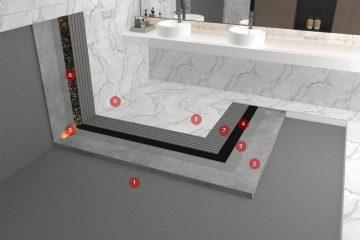
Bathrooms and kitchens benefit from seamless coatings like liquid or cementitious waterproofing, which can easily cover corners and joints.
Choosing based on location is more effective than trying to use one material for the entire project.
How Do You Choose the Right Waterproofing for a Project?
Selecting waterproofing involves balancing several practical factors.
The level of water exposure is critical. Areas with heavy rainfall or underground pressure require more robust systems. Surface type also matters, as some materials bond better to concrete while others are more suitable for uneven or detailed surfaces.
Application method should not be overlooked. Some systems require skilled installation, while others are more straightforward. Following product instructions is essential to ensure performance.
For contractors and project buyers, product consistency, technical support, and supply stability are also important considerations. Suppliers like OYH provide a range of waterproofing materials designed for different construction needs, helping simplify selection for large or complex projects.
What Are Common Waterproofing Mistakes to Avoid?
Many waterproofing failures are caused by incorrect use rather than material quality.
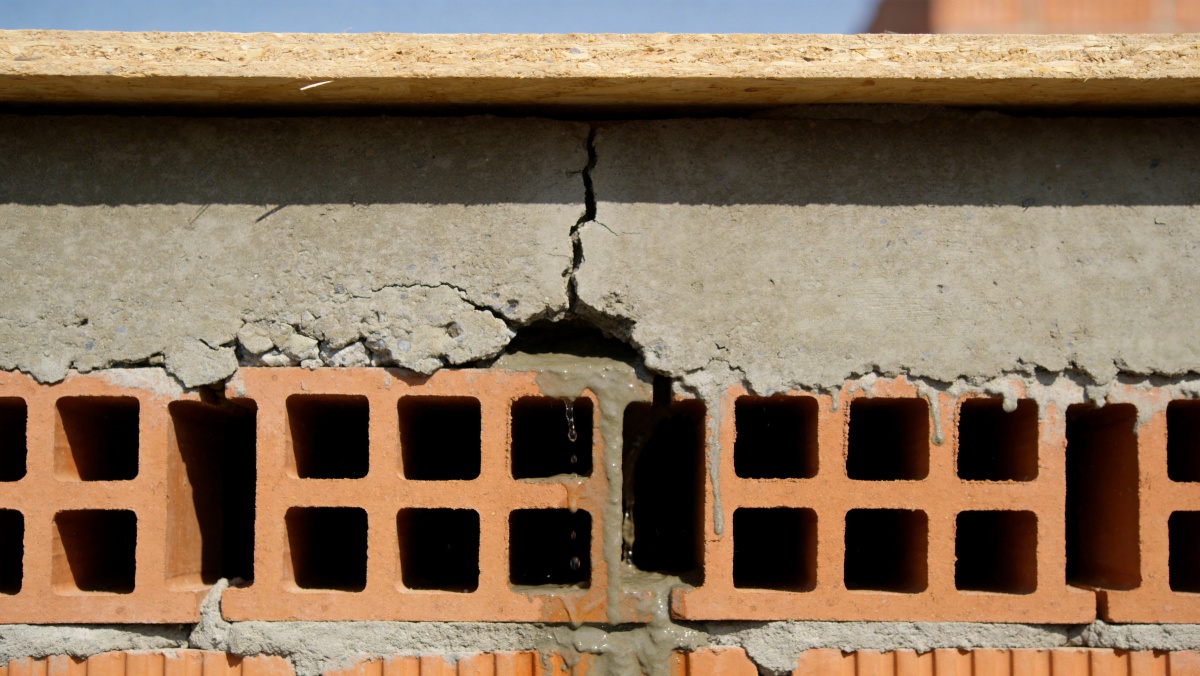
Poor surface preparation is one of the most common issues. If the surface is not clean or stable, the waterproofing layer may not adhere properly. Another frequent mistake is using the wrong type of material for the application, such as applying roof coatings in underground areas.
Ignoring application conditions can also lead to problems. Temperature, humidity, and weather all affect how materials cure and perform. Skipping steps or not following instructions often results in early failure.
Paying attention to these details can significantly improve the effectiveness of any waterproofing system.
Where Can You Buy Waterproofing Materials in Bulk?
For large projects, bulk purchasing is often necessary to control costs and ensure consistent supply.
Online suppliers make it easier to compare products and specifications, while local distributors allow you to inspect materials directly. When buying in bulk, it is worth checking delivery timelines, technical support, and available product range.
Working with a reliable supplier can help avoid delays and ensure that the materials meet project requirements. Companies like OYH support B2B buyers with stable supply and a variety of waterproofing solutions for different applications.
Conclusion: Choosing the Right Waterproofing Matters
Waterproofing is not just about keeping water out—it is about protecting the entire structure over time.
Different types of waterproofing are designed for different conditions, and using the right system can reduce maintenance costs and extend the lifespan of a building. By understanding the options and applying them correctly, projects can achieve more reliable and long-lasting results.
0 Comments