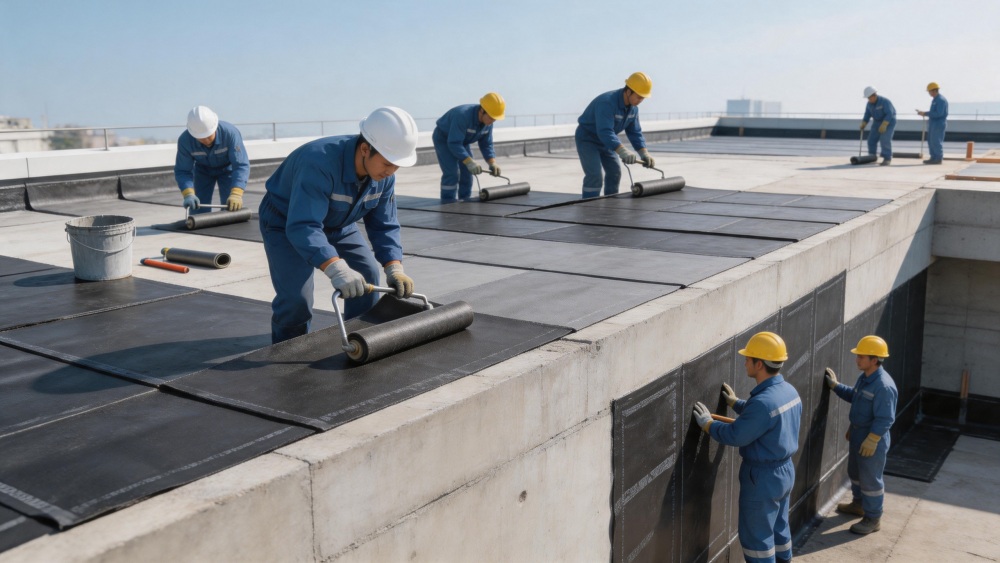
A waterproofing membrane is a material layer designed to control how water interacts with a structure. Instead of simply “blocking water”, it works by creating a continuous protective system that prevents moisture from penetrating into critical building components.
In construction, surfaces such as concrete, wood, and insulation are all vulnerable to water intrusion. Once moisture enters these materials, it can spread internally and cause hidden damage over time. A properly installed membrane helps stop this process before it starts.
Why Is Waterproofing Membrane Important in Building Systems?
Water exposure is unavoidable in almost every construction environment. Rainfall, groundwater, humidity, and daily water usage all create long-term pressure on a structure.
Without a waterproofing system, water does not usually cause immediate failure—but it gradually weakens materials. Over time, this can lead to:
· Internal dampness that is difficult to detect
· Degradation of concrete and reinforcement
· Mold growth in enclosed spaces
· Reduced structural reliability
Because of this, waterproofing membranes are not just protective layers—they are part of the building’s durability strategy.
What Are the Most Common Mistakes When Using Waterproofing Membranes?
In practice, performance issues are often caused by incorrect application rather than the material itself.
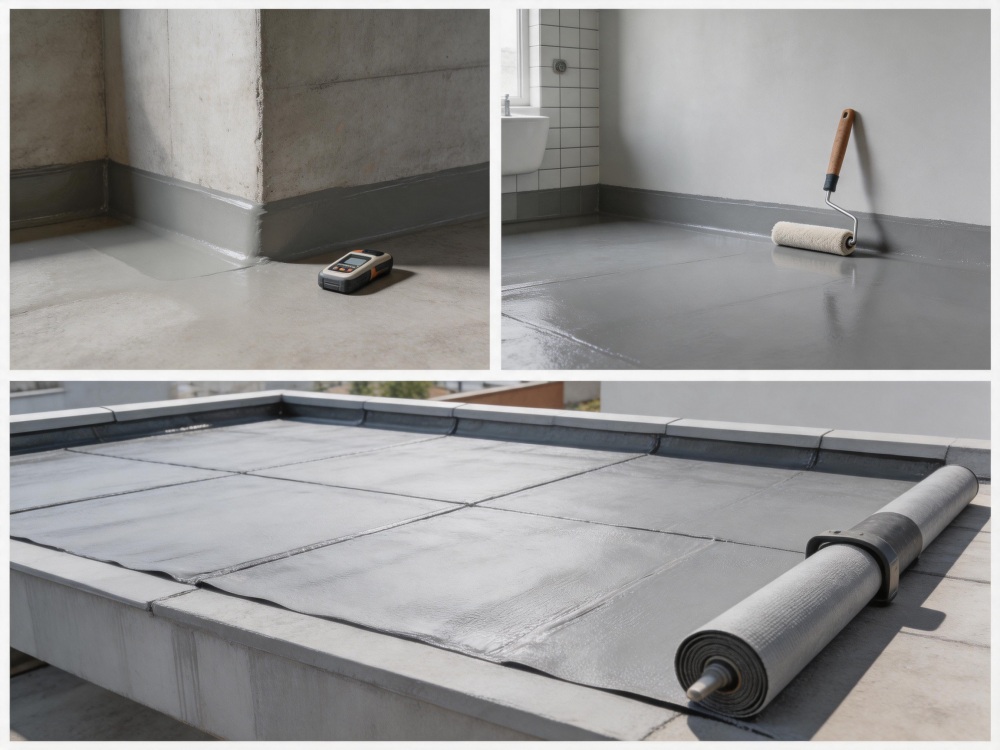
A typical mistake is treating waterproofing as a secondary step. If surface preparation is ignored, even a high-quality membrane may fail to bond properly. Dust, moisture, or uneven substrates can all reduce adhesion.
Another common issue is overgeneralizing product use. Not all membranes are interchangeable. A system designed for roofing may not perform well in underground conditions where hydrostatic pressure is present.
Installation timing is also frequently overlooked. Applying membranes in unsuitable temperatures or weather conditions can affect curing and long-term performance.
What Types of Waterproofing Membranes Are Used Today?
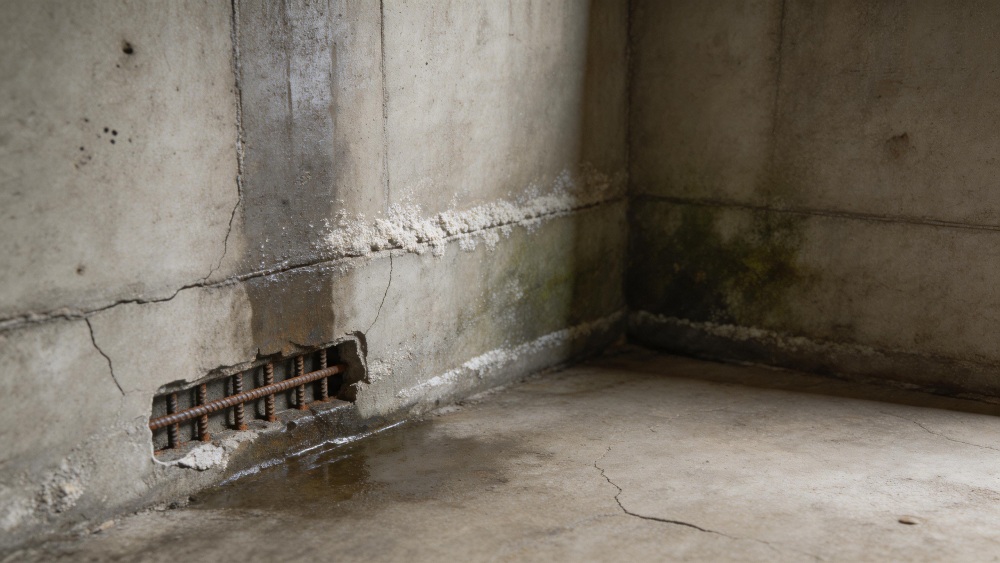
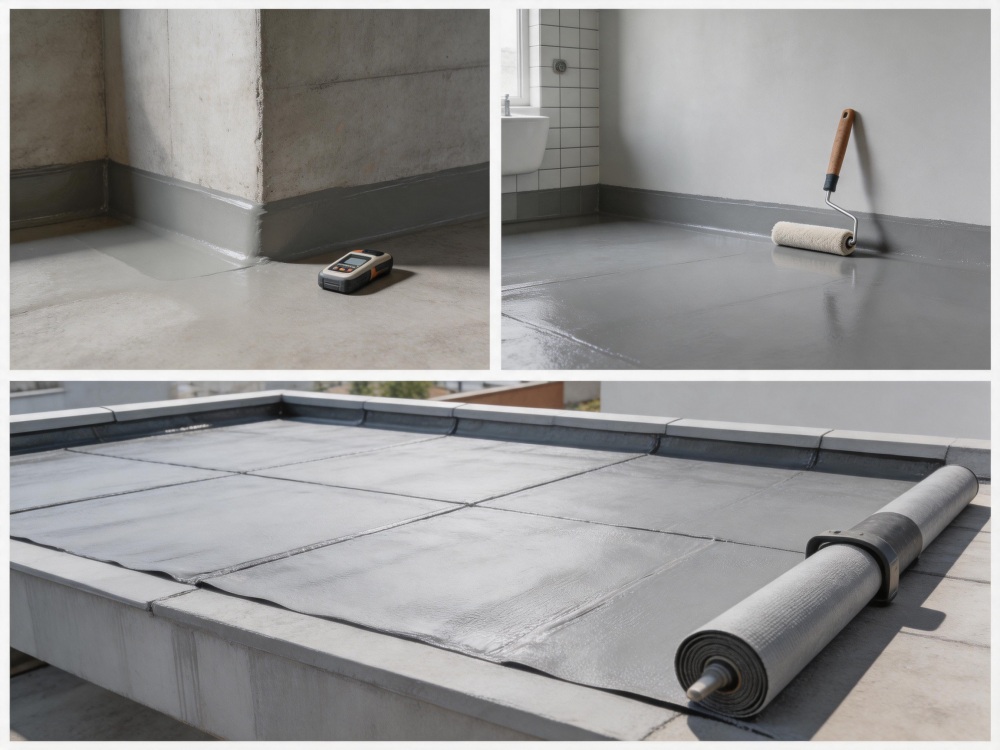
Modern construction uses several categories of waterproofing membranes, each suited to specific conditions:
· Pre-formed sheet systems
These provide uniform thickness and are typically used on large, flat areas where consistency is critical.
· Liquid-applied systems
These are more adaptable and can form seamless layers over complex geometries, reducing the risk of weak points.
Often used where installation efficiency is important, especially in projects with tight timelines.
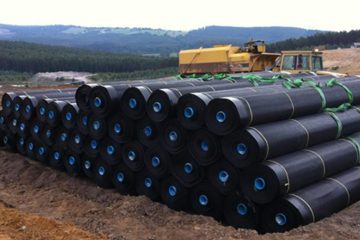
· Below-grade waterproofing systems
Engineered to resist groundwater pressure and soil movement, making them suitable for foundations and basements.
· Sustainable membrane solutions
Increasingly used in projects that prioritize environmental performance without compromising durability.
Selection should always be based on application conditions rather than convenience.
How Do Waterproofing Membranes Perform in Harsh Environments?
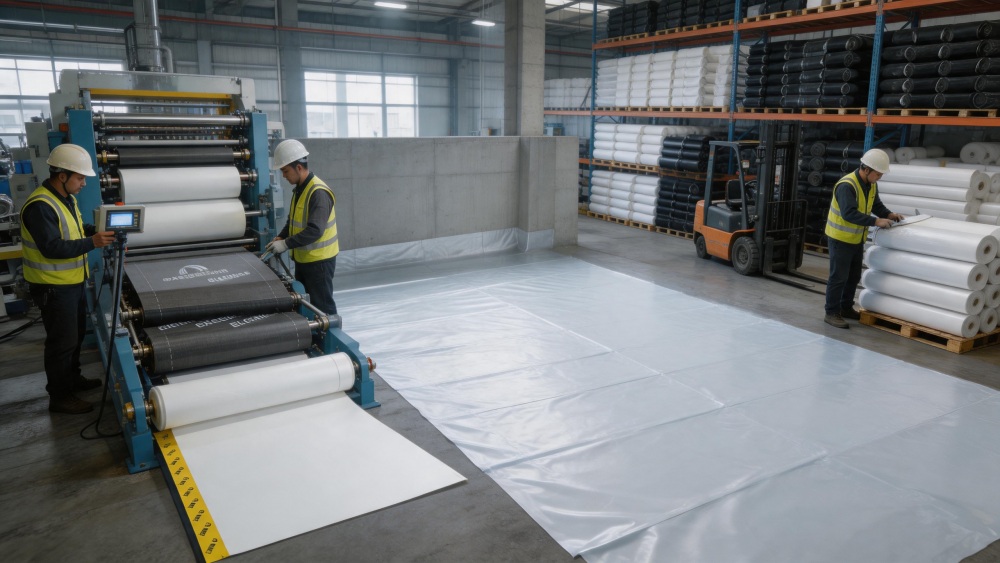
Environmental stress is one of the main factors affecting waterproofing performance.
In regions with heavy rainfall, membranes must handle continuous water exposure without allowing seepage. In cold climates, freeze-thaw cycles can create micro-cracks in surfaces, which require flexible membranes to maintain sealing performance.
High temperatures and UV exposure can also degrade certain materials over time. This is why durability and resistance to environmental aging are key considerations when selecting a system.
In large-scale or long-term projects, consistent material performance becomes especially important. Many contractors rely on proven systems from suppliers such as OYH, where product stability and technical support help ensure reliable results across different climates.
How to Choose a Suitable Waterproofing Membrane for Different Applications?
Selecting a waterproofing membrane is not just about the product itself—it is about matching the system to the application.
Several factors should be considered:
· Exposure conditions (water pressure, weather, usage)
· Substrate type (concrete, metal, wood, etc.)
· Structural movement (expansion, contraction, vibration)
· Application method and site conditions
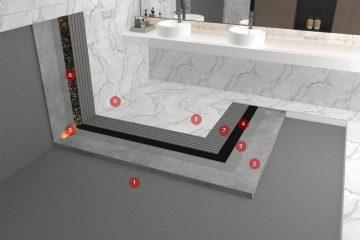
For example, a basement project may require a membrane that can resist continuous hydrostatic pressure, while a bathroom system focuses more on flexibility and ease of application.
In professional construction, the goal is not just short-term waterproofing, but long-term reliability. Choosing a system with stable performance and proper technical support helps reduce future risk and maintenance costs.
0 Comments